Upcoming conscription reform: I hold the leadership of the Ministry of Defence responsible.
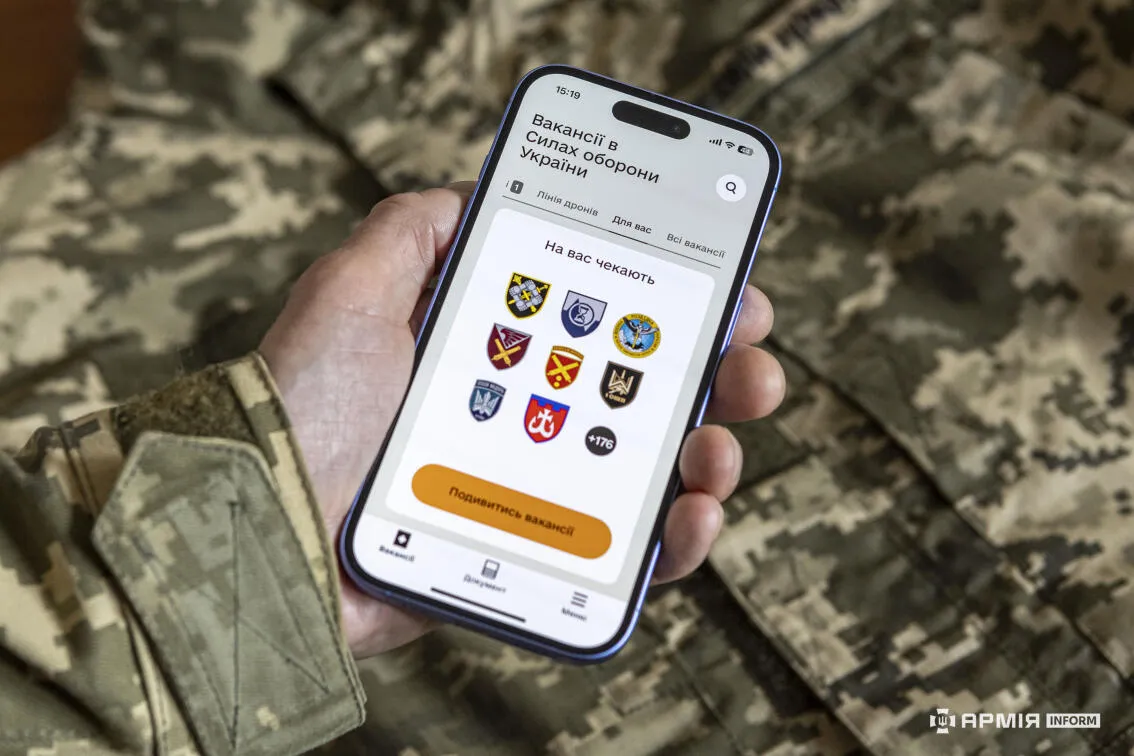
The forthcoming mobilisation reform should provide for changes to the approaches to military recruitment, the motivation of service personnel and the work of territorial recruitment centres. It is proposed that particular attention be paid to the transparency of processes and the oversight of the actions of staff at territorial recruitment centres and recruitment agencies.
What do I think should be taken into account?
- Firstly, we should move away from quantitative targets for mobilisation.
- Secondly, we need to change the incentives for joining the military. In particular, the financial incentives. For example, performance-based incentives: a reward for every piece of military equipment destroyed, paid to an individual or a group of people.
- Thirdly, the premises of the Territorial Recruitment Centres and Specialised Units should be converted into service centres.
A completely different approach to mobilisation must be adopted.
Another interesting point: would it really be so difficult to install a camera in the TCC and SP and film what is happening there? After all, whenever we start investigating individual cases of the use of force, the body cameras are switched off and there are no video recordings.
 We must also put a stop to the shameful practice of wearing balaclavas, as well as to TCC and SP staff checking people’s documents without the police present. After all, they are only authorised to check military registration documents when a person has been verified by the police, the National Guard or the State Border Guard Service – that is, by the authorised authorities.
I also demand that law enforcement agencies respond to these illegal actions and make their response public to Ukrainian society!
 I don’t like the term ‘busification’ – but it has become a phenomenon! And a response is needed right now.
The approach to mobilisation must not be merely patched up – it needs to be completely overhauled from scratch.
All articles in the "Opinion" section are published in full from their original sources. The editorial team may not share the authors’ views and accepts no responsibility for their statements.