What might Crimea be like after de-occupation, and what should be done about Russian citizens?
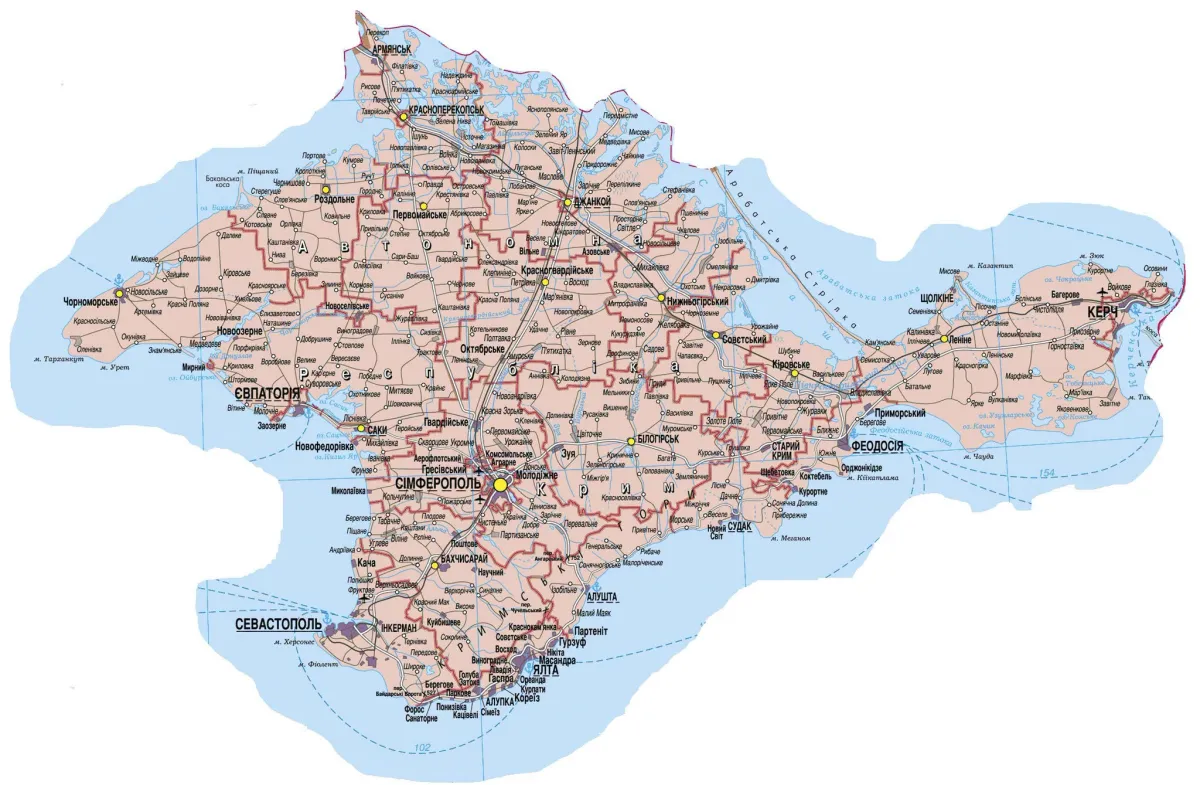
The question of Crimea’s future following de-occupation is increasingly becoming a topic of public debate. One of the key issues remains the status of Russian citizens who arrived on the peninsula after 2014, as well as the model for governing the region during the transitional period.
I have no doubt that over the next couple of years I’ll be swimming in the Black Sea in Alushta.
Crimea will return to Ukraine in the near future.
But what should we do about the ‘newcomers’?
Just today, a friend and I touched on this subject.
Just a quick note on why someone who isn’t from Crimea is thinking about this)
Reasons 2
1. Firstly: on my father’s side, I have Crimean Tatar roots – the Yalaboylu Tatars; my great-great-great-great-grandfather was deported by Catherine the Great from Bakhchysarai to the Katerynoslav Governorate along with his family
2. Second: until 2014, our family had assets in Crimea, which are no longer there
So
That’s why the nearly 1 million Russians who have come to Crimea since 2014 would be better off leaving of their own accord today. To hell with it – or rather, to Russia.
If, after the liberation of Crimea, even a single newcomer remains on Crimean territory, there are two options:
1. participation in an organised criminal group – Article 256 of the Criminal Code of Ukraine (Aiding members of criminal organisations and concealing their criminal activities) – up to 10 years
or
2. Violation of Ukraine’s territorial integrity – under Article 110 of the Criminal Code of Ukraine – up to 15 years’ imprisonment (I propose replacing this with unpaid community service)
The remaining residents of Crimea must undergo screening, including polygraph tests, to assess their support for separatism.
Depending on the outcome – either freedom and respect, or criminal prosecution (see points 1 and 2).
...
For the first five years following liberation, Crimea will be governed by a provisional military administration; no democratic elections will be held.
Crimea is a strategic asset. Its role in the region’s security is of paramount importance.
Assets created by or belonging to Russian citizens will be nationalised (!).
The fate of these assets will be decided on a case-by-case basis, but some may be transferred to a fund for veterans and the families of the fallen (!)
Crimea will become a free economic zone for 20 years, focusing on technology projects and companies – to stimulate the inflow of investment.
And the rights of indigenous peoples must be fairly upheld (personally, I’m not laying claim to anything :)
And, judging by all accounts, everything described here is set to take place as early as 2027)
So, read on, draw your own conclusions, and share this!
All articles in the "Opinion" section are published in full from their original sources. The editorial team may not share the authors’ views and accepts no responsibility for their statements.