


Author’s articles
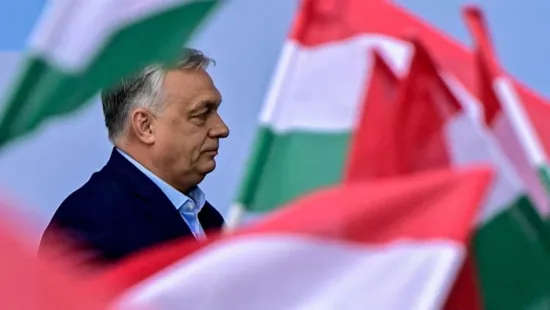
A group of US senators is drafting a bill imposing sanctions on Hungarian officials who, they claim, are obstructing support for Ukraine. The initiative comes amid delays in the decision on an EU loan for Kyiv.

Officers from the State Bureau of Investigations have notified a businessman in the Rivne region that he is under suspicion. According to the investigation, he facilitated the activities of a criminal organisation involved in the illegal extraction of amber.

Donald Trump’s administration is analysing the potential consequences of a sharp rise in oil prices against the backdrop of a war with Iran. The focus is on preparing for various possible scenarios.
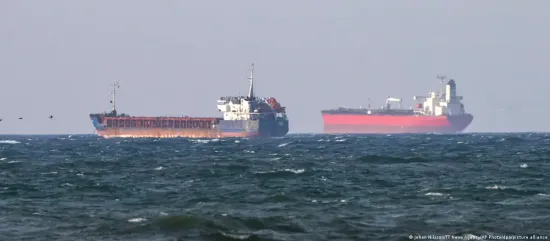
The UK has granted the military and law enforcement agencies the power to detain vessels subject to sanctions in its territorial waters. The decision is aimed at Russia’s shadow fleet.
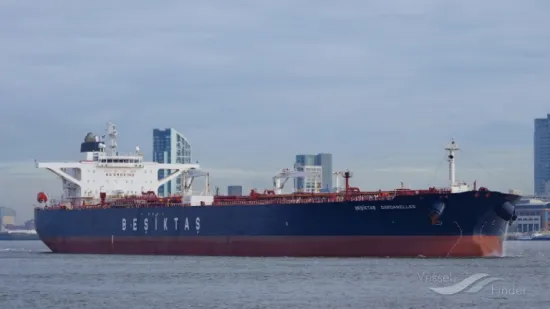
An explosion has occurred on the crude oil tanker ALTURA in the Black Sea, 15 miles from the Bosphorus. The vessel has sustained damage, but there are no reports of casualties.
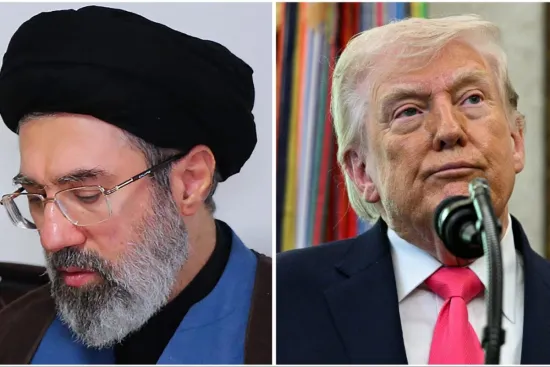
Iran has conveyed its demands for a return to ceasefire talks to Donald Trump’s administration via intermediaries. Tehran has stated that its conditions are stringent and is insisting on significant concessions.
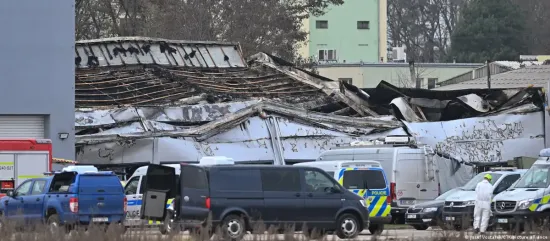
Law enforcement agencies in the Czech Republic and Slovakia have arrested three people in connection with the arson attack on a warehouse belonging to the defence company LPP Holding. Investigators are treating the incident as a possible terrorist attack.
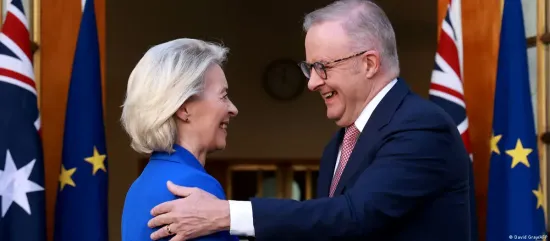
The European Union and Australia have agreed to conclude a free trade agreement following several years of negotiations. The agreement provides for a significant reduction in tariffs and greater market access.
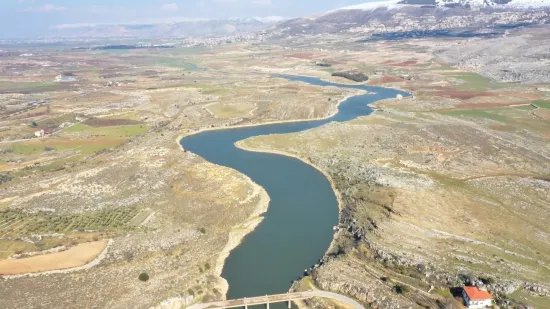
Against the backdrop of Israel’s intensified ground operations in southern Lebanon, discussions are underway regarding the strategy to be adopted once hostilities have ceased. The options under consideration include not only military control but also the establishment of a permanent civilian presence.
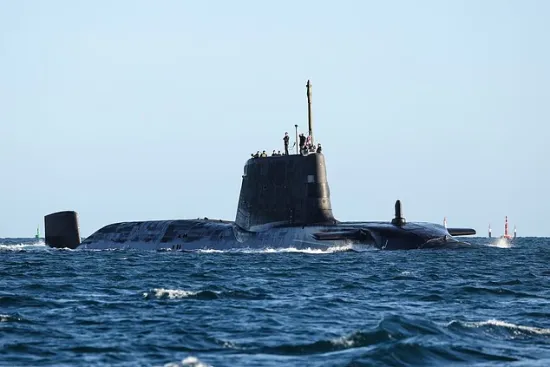
The Royal Navy’s nuclear-powered submarine HMS Anson has arrived in the Arabian Sea. It is equipped with cruise missiles and torpedoes.
Russian troops are building up their forces in an attempt to break through the defences on the outskirts of Sloviansk.
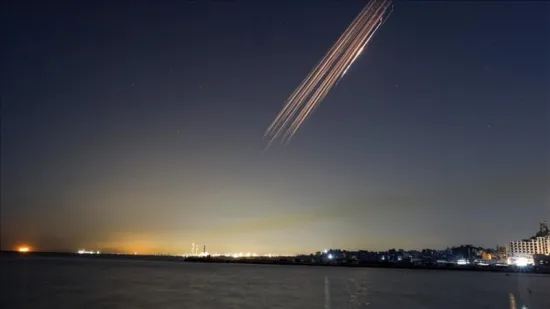
Since late February, Iran has carried out thousands of missile and drone strikes on targets in several Arab states. The strikes were in response to actions by the US and Israel.

