Russia has stepped up its offensive in the Donetsk region: the ISW has observed preparations for a large-scale campaign


Russian forces have likely moved into the active phase of preparations for the spring-summer offensive of 2026, focusing their main efforts on the Donetsk region. This is according to the Institute for the Study of War (ISW).
According to analysts, the key objective is to attempt to breach Ukraine’s so-called ‘fortress belt’ — a fortified line of defence in the Donetsk region.
Ukrainian military personnel are recording a significant increase in enemy activity in the Lyman direction. Russian forces are attempting to advance towards Sloviansk from the north-east, which could potentially create conditions for a further offensive from the east and south-east as well.
According to reports from the 3rd Army Corps and the Joint Operational Group of Forces, on 19 March Russian troops carried out a large-scale mechanised assault involving up to a battalion’s worth of troops. Units from Russia’s 1st Guards Tank Army and 20th Combined Arms Army took part in the operation.
The offensive took place simultaneously across seven fronts, involving over 500 troops, dozens of armoured vehicles and more than 100 units of light mobile equipment, including motorcycles, buggies and all-terrain vehicles. It is estimated that this intensity exceeds that of most previous attacks in recent months.
Liman is considered a strategically important hub on the route to Sloviansk. If captured, the enemy could use the town as a springboard for a further advance on Kramatorsk.
At the same time, Russian troops are changing their tactics. Instead of large mechanised columns, they are increasingly employing dispersed attacks from various directions, which complicates the work of Ukrainian defence forces, particularly unmanned surveillance assets.
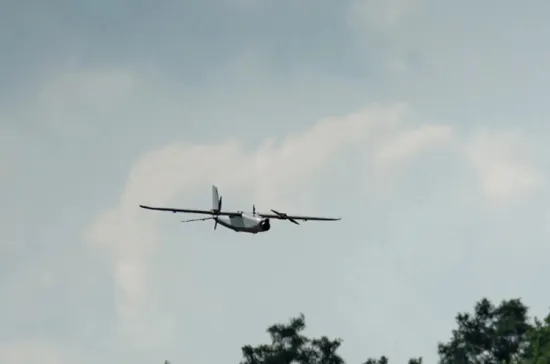
There has also been an increase in the intensity of air strikes and drone attacks. The enemy is actively using guided bombs, strike drones and loitering munitions in an attempt to target Ukraine’s logistics routes and defensive positions ahead of ground operations.
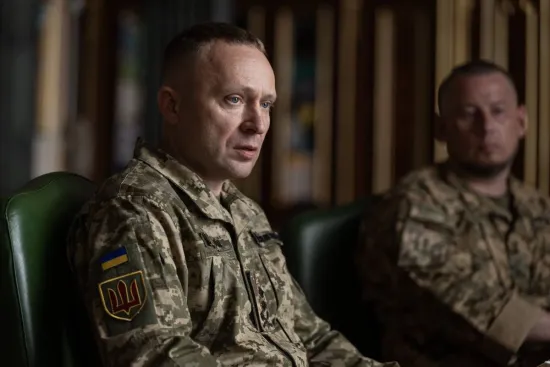
At the same time, Russian forces are laying the groundwork for an offensive from the south — on the Kramatorsk and Kostyantynivka sections of the front. According to Lieutenant Colonel Dmytro Zaporozhets of the Armed Forces of Ukraine, the enemy is increasing the number of assaults, deploying additional forces and equipment, and intensifying artillery and air strikes.
The enemy is particularly active in the Chasiv Yar area, from where it is increasing the number of drone attacks on Ukrainian positions and logistics routes.
ISW analysts note that the movement of heavy equipment and troops to the front line, as well as the intensification of strikes, may indicate preparations for a large-scale offensive during the spring and summer of 2026 and the expansion of hostilities south of the ‘fortress belt’.
Furthermore, the Russian army is conducting an air campaign on the southern flank of this defensive line, striking key ground communications of Ukrainian forces and settlements near Kramatorsk.