Israel is discussing the possibility of a permanent presence in southern Lebanon

Against the backdrop of the Israeli army’s expanding operations against Hezbollah infrastructure in southern Lebanon, the question of what to do once the fighting ends has once again arisen in Israel, reports The Jerusalem Post.
Previously, Israeli governments have predominantly opted for an approach involving the creation of temporary buffer zones followed by the withdrawal of troops. It was assumed that international guarantees or diplomatic agreements would prevent the enemy from returning.
Experience from previous years, particularly the period from 1985 to 2000, when Israel maintained a security zone in southern Lebanon, showed that this model did not ensure long-term stability. After the withdrawal of troops, Hezbollah established a foothold near the border.
Against this backdrop, some Israeli experts and civil society initiatives are calling for a change in approach. In particular, it is proposed not to limit oneself to military control, but to establish a permanent civilian presence in the region.
Among such initiatives is the organisation Uri Tzafon, which advocates the settlement of southern Lebanon as a long-term security solution.
Supporters of this idea believe that the absence of a civilian presence leads to the territory being occupied by hostile forces once the army withdraws. According to them, this situation has already arisen since 2000, when Hezbollah consolidated its positions and established infrastructure near the border.
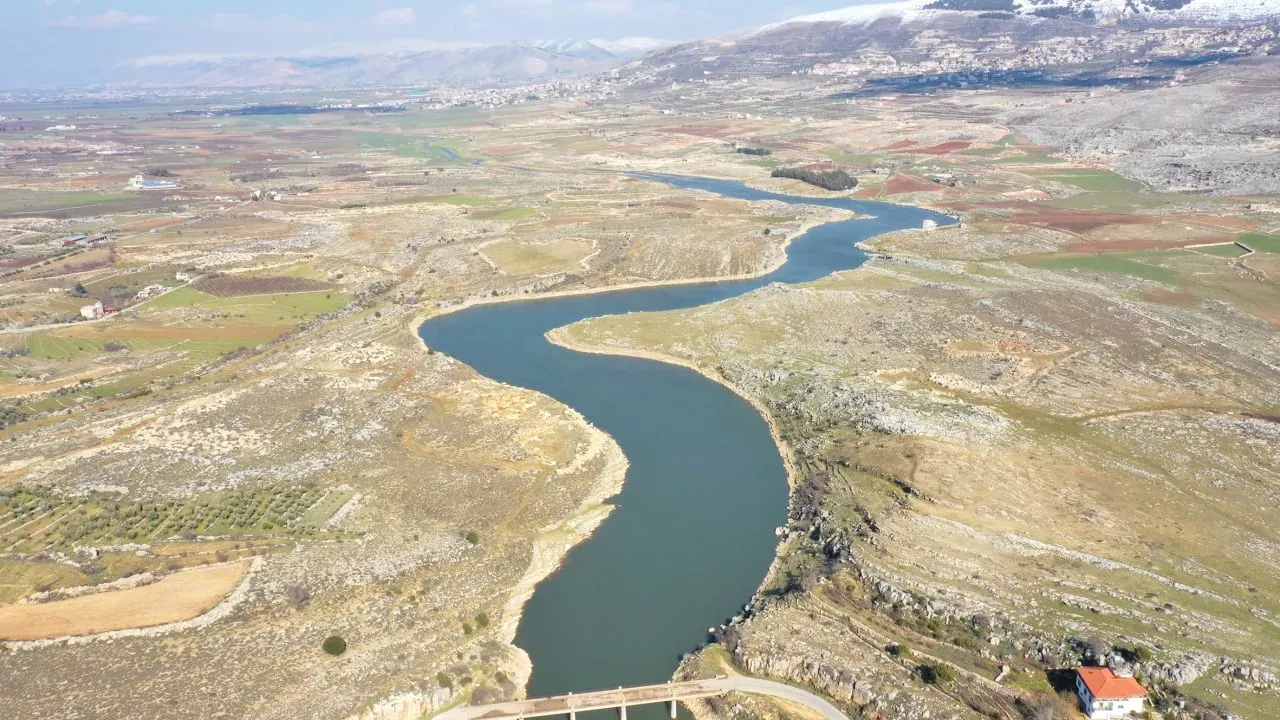
They also point to the strategic importance of the Litani River as a natural line of defence. The Israeli military has long regarded it as a boundary that keeps the threat away from the country’s settlements.
According to supporters, combining military control with a permanent civilian presence could change the situation and prevent the return of hostile forces.
Public discussions also cite historical examples, notably the Golan Heights and Galilee, where the situation became more stable after control was established and settlements were created.
Critics of such approaches point to potential international consequences, strain on resources and political risks. At the same time, supporters highlight previous experience where, following the withdrawal of troops from territories, armed groups formed near the borders.
In this context, the choice being discussed is between repeating the previous model with a temporary withdrawal of troops or transitioning to a different strategy involving a long-term presence in southern Lebanon.