In Sweden, a criminal who caused the emergence of the "Stockholm syndrome" has died

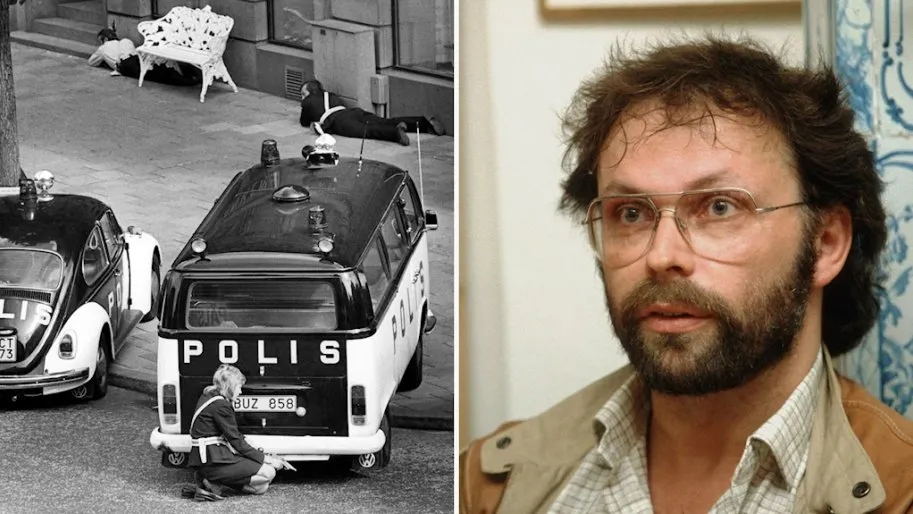
Olof Olofsson is one of the most notorious criminals in Sweden. His first sentence was at the age of 19, when he was convicted of burglary with violence and participation in the murder of a police officer, writes BBC. Olofsson became recognizable in 1973 when, together with his accomplice Jan-Erik Ulsen, he organized a bank robbery in Stockholm.
The mastermind of the robbery was Ulsen. Specifically, he seized the bank and took three women and one man hostage. The man demanded that Olofsson, with whom he had previously befriended in prison, be brought to him. The authorities agreed to these demands. The criminals held the hostages for six days, during which they began to sympathize with them and become hostile to the police.
Olofsson convinced one of the hostages, Kristin Enmark, to call the Swedish Prime Minister on behalf of the robbers. She asked for permission to leave the bank in a car with the kidnappers. During the phone calls, Enmark defended the criminals and said she was afraid the police would harm them.
After six days of siege, the police entered the bank through the roof and used tear gas to neutralize the criminals.
Initially, the hostages refused to leave their kidnappers because they were afraid the law enforcement officers would shoot them. Then they refused to testify against Olofsson and Ulsen.
A few years later, Olofsson stated that in exchange for a reduced sentence, he was offered to become an informant to protect the hostages. The man accused officials of not honoring the agreement.
Eventually, Ulsen was sentenced to 10 years for the robbery, while Olofsson was acquitted. He continued his criminal activities, including thefts and drug trafficking. In 1993, he participated in the theft of artworks from a museum in Stockholm.

Thanks to the crime of Olofsson and Ulsen, the term "Stockholm syndrome" was coined. It is a psychological condition in which victims develop attachment to their abusers.