A prolonged blockade of the Strait of Hormuz threatens to trigger a crisis similar to that of 2008 and a global recession

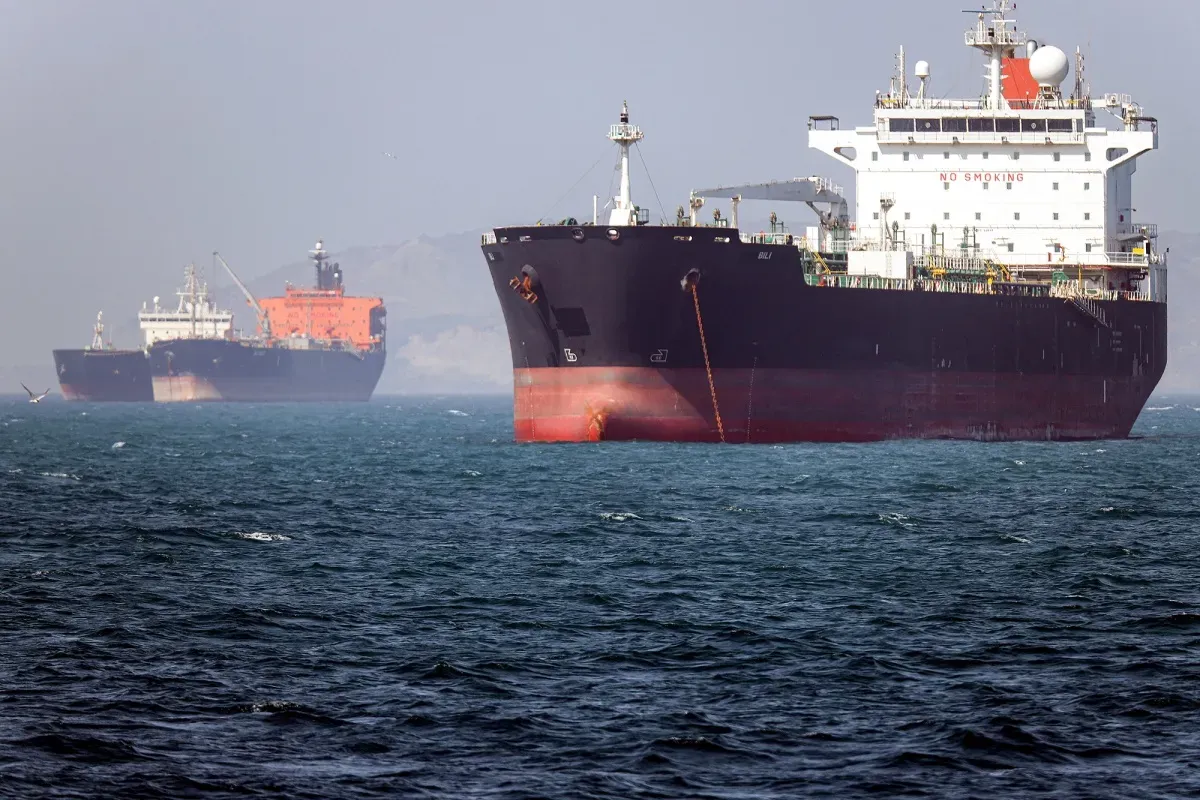
Rapidan Energy Group has stated that a closure of the Strait of Hormuz until August could pose the risk of an economic downturn on a scale similar to the Great Recession of 2008, according to Bloomberg.
The company’s base-case scenario assumes that shipping through the strait will resume in July. In that case, the average reduction in global oil demand would be 2.6 million barrels per day, and the spot price of Brent crude could rise to nearly $130 per barrel this summer.
Analysts note that a more prolonged disruption to supplies in August and September would require an even greater reduction in demand to offset the supply shortfall. According to the company’s assessment, this could potentially lead to an annual decline in global oil consumption in 2026.
Rapidan also highlighted that several leading forecasters are already anticipating a rare contraction in global oil demand this year.
Oil prices have almost doubled since late February amid the conflict between the US, Israel and Iran, fuelling concerns about a potential simultaneous acceleration in inflation and a slowdown in economic growth.
“The current macroeconomic situation is less extreme than in the 1970s or in 2007–2008,” Rapidan analysts noted. At the same time, they added that further rises in oil prices could exacerbate financial and macroeconomic risks.
According to the company’s estimates, a delay in the reopening of the Strait of Hormuz until August could increase the supply shortfall in the third quarter to approximately 6 million barrels per day.
Even if the route reopens in early August, the market will remain tight, as oil stocks will continue to decline until September, whilst production in the Gulf states and supplies will resume only gradually.