Yanukovych’s assets and those of Russian oligarchs: what Ukraine has confiscated to the tune of 15 billion

This was reported by the Anti-Corruption Centre, citing data from the State Property Fund.
Since the start of the full-scale invasion, Ukraine has confiscated Russian assets worth at least 15 billion hryvnias.
These include the property of Russian oligarchs Deripaska, Rotenberg, Giner, Shevkov, and Yevtushenkov, as well as the assets of traitors and accomplices of Russia such as Boguslaev, Balytskyi, Saldo, Yanukovych, and dozens of other individuals subject to sanctions.
In response to a request from the Anti-Corruption Centre, the State Property Fund reported that it had already taken 1,175 properties into its management.
The book value of these assets amounts to 13.5 billion hryvnias. In addition, a further 686.459 million hryvnias in bank accounts, as well as claims totalling 40.879 million hryvnias, were transferred to the Fund.
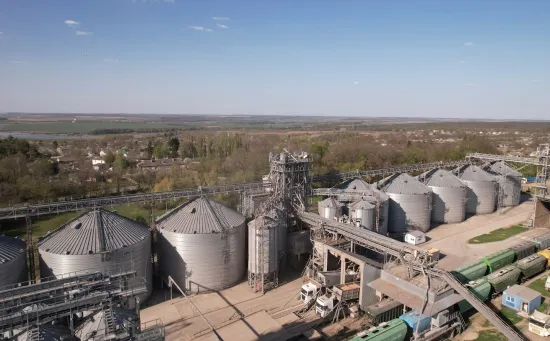
Among the largest assets is one of Ukraine’s leading manufacturers of aerated concrete products, AEROK LLC, which belonged to the sanctioned Russian oligarch Molchanov.
Also included among the transferred assets are 100% of the shares in the authorised capital of Vinnytsia Aviation Plant LLC, MSB Helicopters, 90.1% of Motor-Garant Insurance Company and three other companies owned by Boguslaev, as well as over 630 million hryvnias.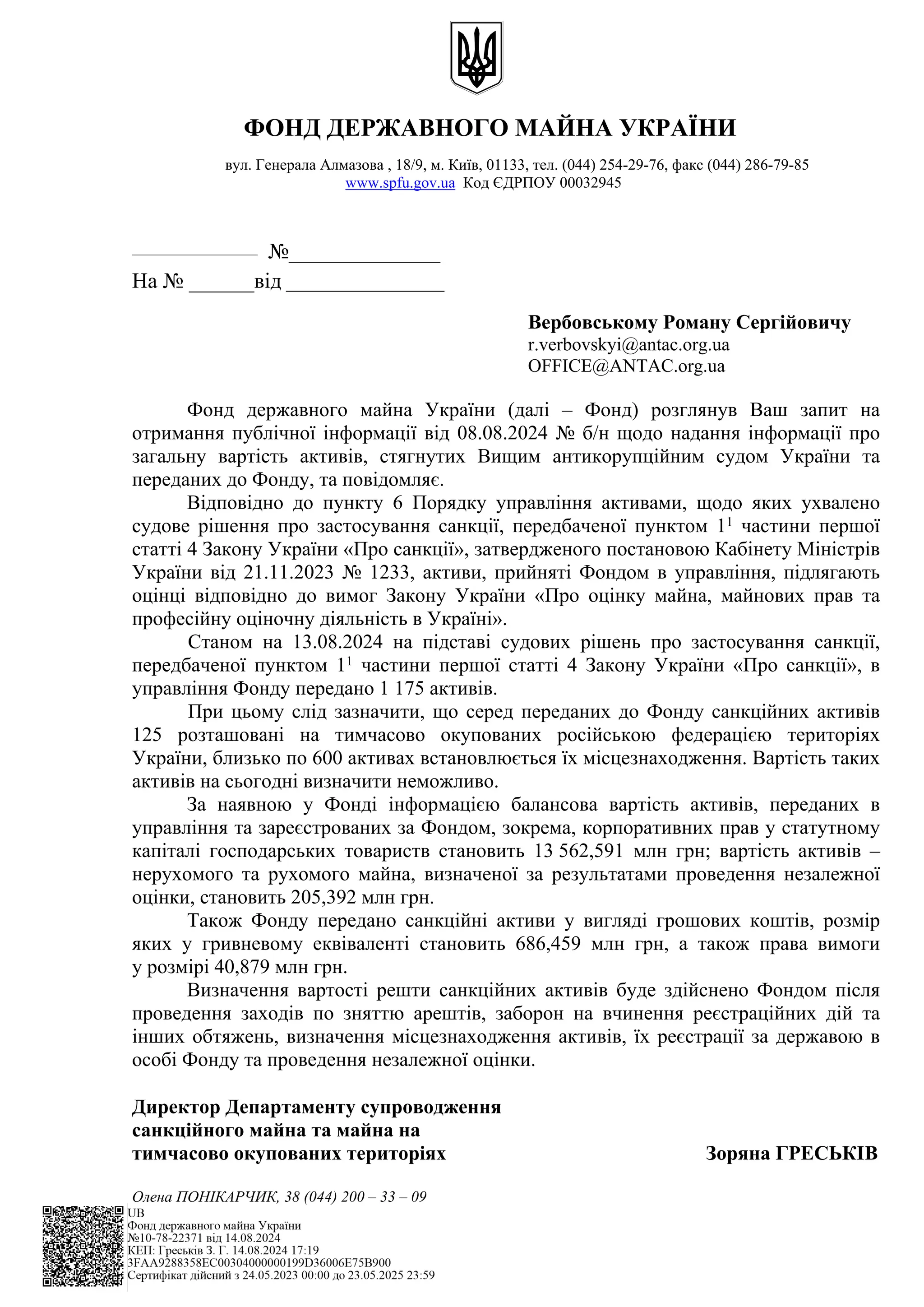
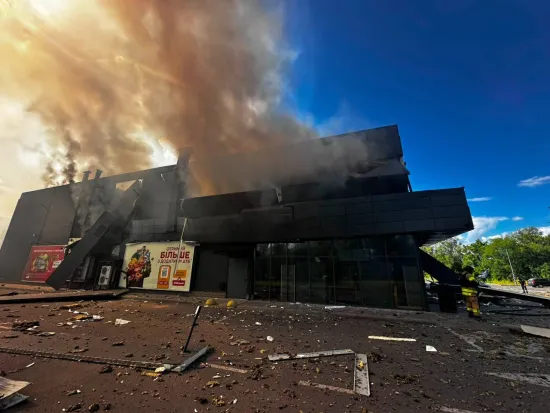
The list also includes the Kyiv shopping centre “Ocean Plaza”, which belonged to the sanctioned Russian oligarch brothers Rotenberg and their business partners.
In addition, “PentoPak Ukraine”, which belonged to the Russian-Greek oligarch Savvidis, was confiscated. This asset has already been sold at a public auction for 103 million hryvnias.
Other major confiscated assets include the Mykolaiv Alumina Plant and a number of assets belonging to Russian billionaire Deripaska.
Separately, hundreds of other items of movable and immovable property were confiscated, including the Mezhyhirya residence and shares in the authorised capital of dozens of legal entities.
At the same time, some of these assets are currently located in temporarily occupied territories.
The Anti-Corruption Centre noted that these results were achieved thanks to the sanctions mechanism, which the Centre developed in 2022 in collaboration with partners in government and the civil society sector. The Centre has identified the confiscation of
$300 billion in Russian funds frozen in the West as its next target.