Alexus Grinkevich explained why Russia does not want war with NATO

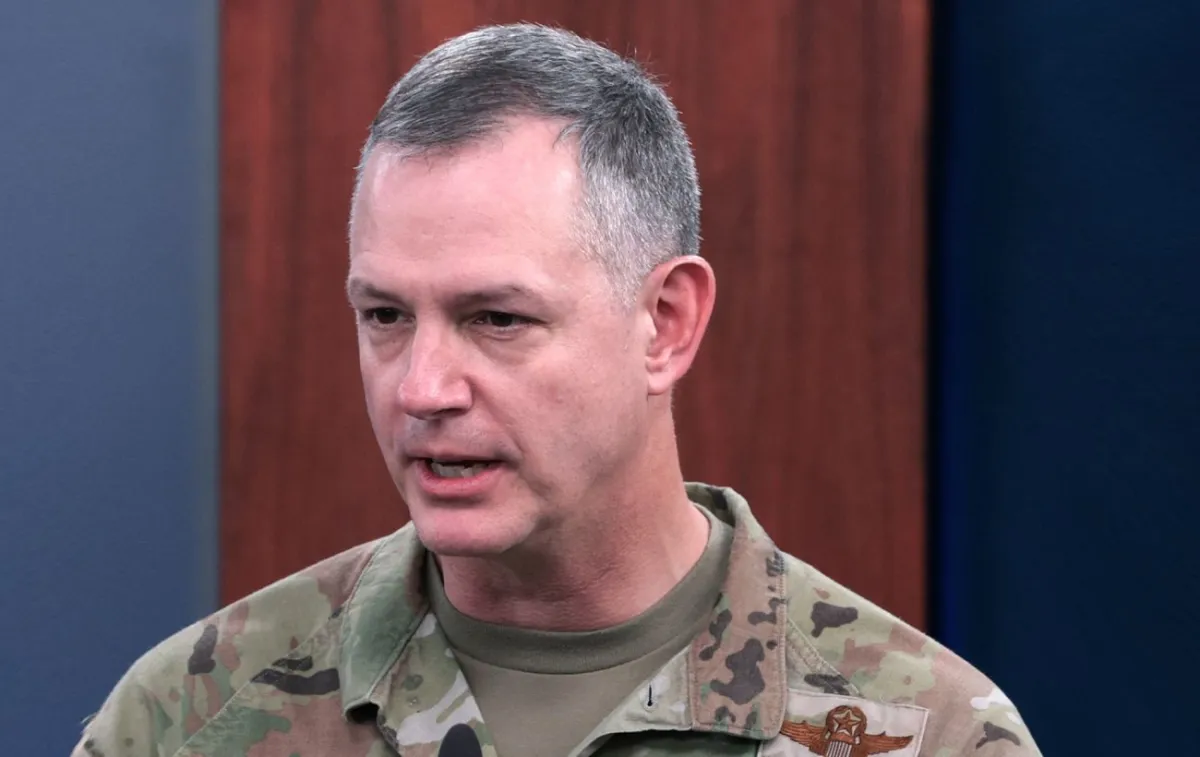
Alexus Grinkewich made these remarks in an interview with the Financial Times.
General Alexus Grinkevich, Commander of NATO’s Allied Forces in Europe and Head of US European Command, stated that Russia is not currently seeking direct military conflict with NATO.
According to him, Moscow understands that the North Atlantic Alliance is a defensive alliance and is also aware of NATO’s military advantages.
What Grinkevich said
Responding to a question about the risk of a Russian attack on the Baltic states, Grinkewitz said he is closely monitoring intelligence reports.
According to the general, he currently sees no signs that Russia is preparing for war with the Alliance.
“Russia is not seeking conflict. They understand what a defensive alliance is and are aware of our asymmetric advantages,” said Hrynkevych.
Why NATO is banking on deterrence
Hrynkevych emphasised that NATO’s main task is to ensure the Kremlin has no doubts about the Alliance’s readiness to defend its allies.
According to him, this is particularly important for the Baltic states, which have recently expressed concern over a possible reduction in the US military presence in Europe.
The general noted that Russia would not risk attacking the Baltic states if it were convinced it could not win.
What is known about US forces in Europe
Grynkevych confirmed that the US is reviewing the deployment of some of its military resources in Europe.
According to the Financial Times, this involves a possible reduction in certain naval and air forces, in particular due to Washington’s refocusing on the Indo-Pacific region. At the same time, the commander stated that NATO is preparing plans to maintain the Alliance’s readiness to respond.
Earlier, Reuters reported that the US is calling on its European allies and Canada to increase their contribution to NATO’s air and naval capabilities, as Washington plans to reduce the availability of some of its forces to the Alliance.
What Hrynkevych said about Ukraine
Hrynkevych also commented on the situation on the front line in Ukraine.
In his assessment, Ukrainian forces continue to hold back Russian troops. He noted that Russia’s advance remains minimal and is accompanied by significant losses.
What are the other assessments of the threat
Grynkevych’s assessment differs from the more alarming forecasts of some European officials.
In particular, the Commander of the Latvian Armed Forces, General Kaspars Pudans, previously warned that Russia could use its advantage in mass drone production to pose a threat to the Baltic states by 2028.
At the same time, Hrynkevych emphasises deterrence: the Alliance must show Russia that any attempt to attack NATO countries will not succeed.
Follow us on Telegram