Bulgaria has spoken out against some of the EU’s sanctions against Russia and Patriarch Kirill
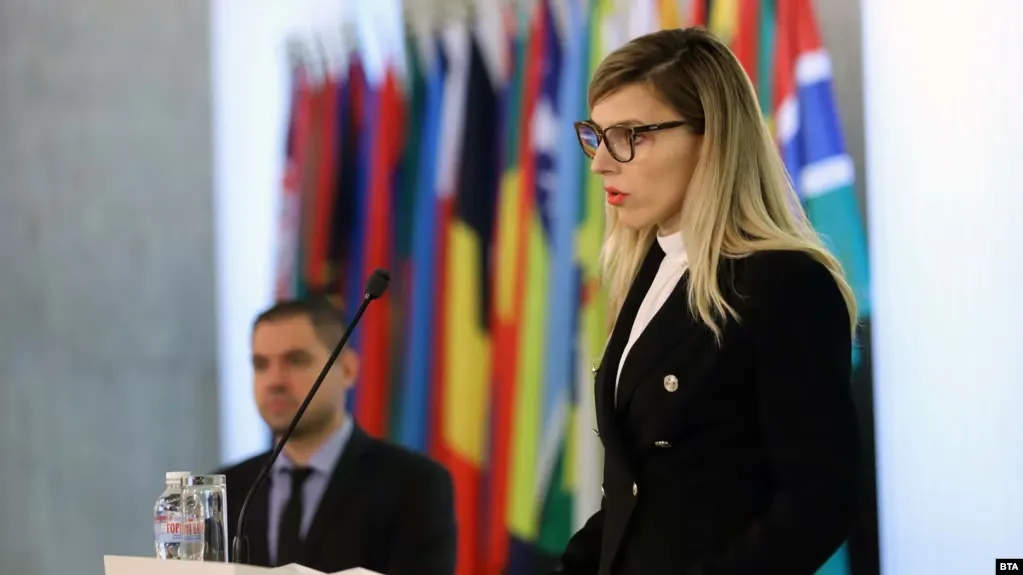
This was reported by Radio Free Europe, citing a statement by the Bulgarian Minister for Foreign Affairs, Velyislava Petrova-Chamova.
Bulgarian Foreign Minister Velislava Petrova-Chamova has stated that the country does not support part of the new EU sanctions package against Russia.
According to her, Sofia objects to certain sanctions in the energy sector, as they could affect Bulgaria’s energy security.
Why Bulgaria opposes sanctions against Patriarch Kirill
Separately, Petrova-Chamova stated that Bulgaria does not support sanctions against Patriarch Kirill, the head of the Russian Orthodox Church.
She described such restrictions as “symbolic” and said they have no economic impact.
According to her, such sanctions could be counterproductive, as they provide a basis for anti-European propaganda alleging European interference in church affairs.
Why Patriarch Kirill is being considered for inclusion on the sanctions list
It was previously reported that the European Commission had included Patriarch Kirill in the draft of the 21st sanctions package.
This is explained by his support for the actions of the Russian army in the war against Ukraine.
The head of the Russian Orthodox Church has repeatedly and publicly backed Russia’s full-scale invasion. In particular, he has described the war in Donbas as a ‘metaphysical struggle’ and claimed that Russia has allegedly never attacked anyone.
Which countries have already imposed restrictions on the head of the Russian Orthodox Church
Patriarch Kirill is already subject to sanctions imposed by the United Kingdom, Canada and the Czech Republic.
Estonia and Lithuania have also banned him from entering their territories.
What does the 21st package of sanctions entail?
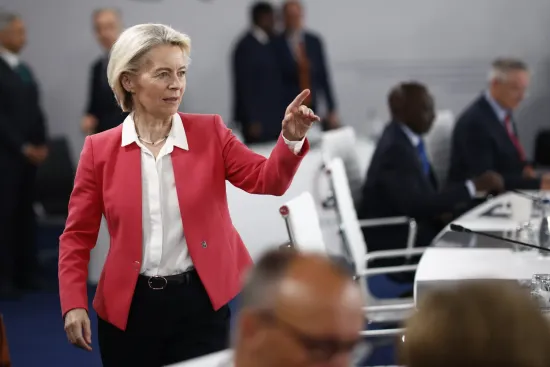
On 9 June, European Commission President Ursula von der Leyen presented a proposal for the 21st package of sanctions against Russia.
Among the possible measures is a ban on entry to the EU for Russian military personnel who took part in the war against Ukraine.
The package is also set to extend export and import restrictions, as well as sanctions against Russia’s energy and financial sectors.
The European Commission’s proposal must be examined and approved by EU member states.
Unanimous support from all EU member states is required for the sanctions to be adopted.
Follow us on Telegram