Church holiday on 23 April 2026 – what not to do on St George’s Day

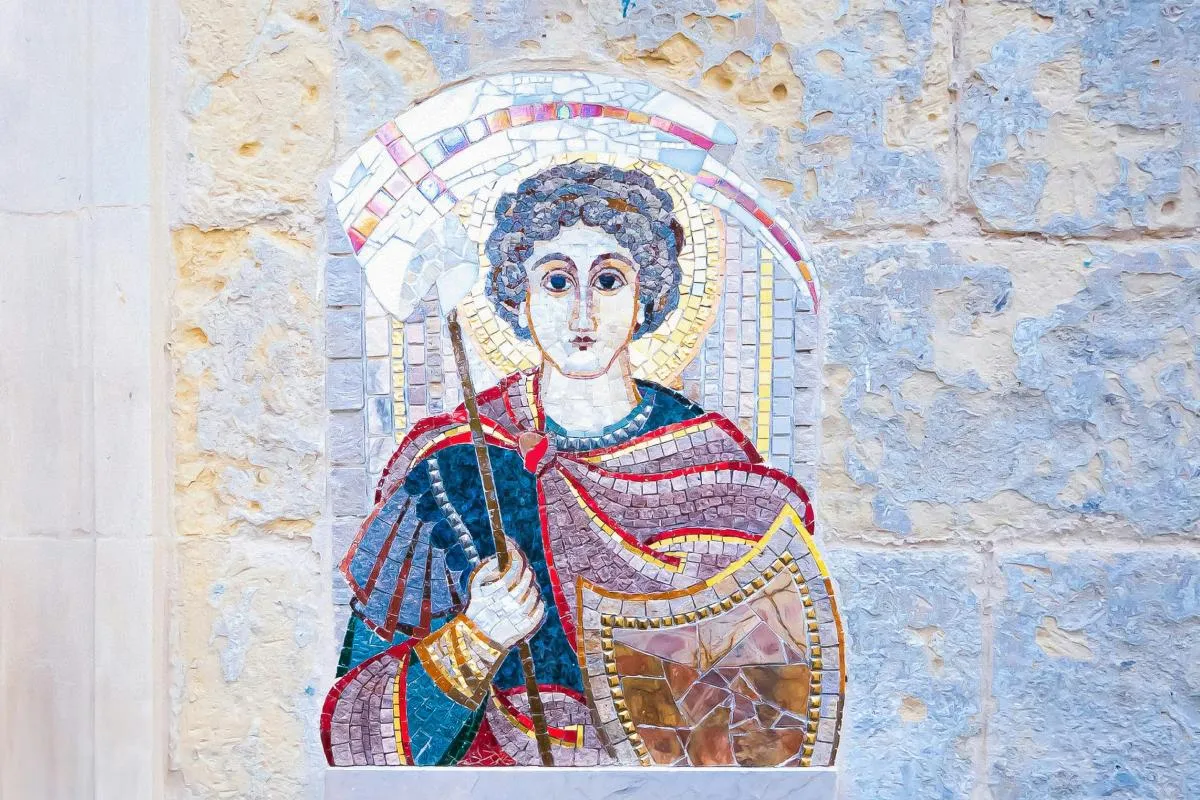
On 23 April according to the new calendar, the Orthodox Church in Ukraine commemorates the Great Martyr George the Victorious, who is also popularly known as Yuri the Victorious. According to the old church calendar, this saint is commemorated on 6 May.
Yuri, or George, came from Cappadocia and lived in the 3rd–4th centuries. In church tradition, he is described as an educated, courageous and noble warrior who enjoyed a successful career at the court of Emperor Diocletian and was a member of his military council. When the persecution of Christians began, George openly opposed the cruel decrees and accused the ruler of injustice. For this, he was subjected to torture; however, according to legend, he was miraculously healed each time.
The article notes that these events impressed many witnesses. Some of them came to believe in Christ, among them the emperor’s wife, Queen Alexandra. She, like George himself, died as a martyr. On this day, according to the new calendar, the martyr Queen Alexandra and the martyrs Anatolius and Proteleon are also commemorated.
The text also notes that we are currently in the second week after Easter, known as the Week of the Resurrection, the Week of Remembrance, or Thomas’s Week. Each day of this week has its own significance and is associated with honouring the departed.
Thomas Thursday and memorial customs
Thursday of the Week of the Resurrection is known as Thomas’s Thursday. On this day, according to tradition, people pray for deceased loved ones, commission memorial services in churches, visit the graves of relatives, give alms and help the needy.
According to the Julian calendar, this day commemorates the pious hetman Petro Konashevych-Sahaidachny. Thus, 23 April combines several important themes at once – the church commemoration of St George the Victorious, the memorial customs of Holy Week, and the folk rituals of St George’s Day.
People turn to St George the Victorious with prayers for family well-being, peace in the home, good fortune and a bountiful harvest. The saint is considered the patron of warriors, so people pray to him for the health of servicemen, protection from enemies, illness and evil spirits. According to folk tradition, on this day young women also ask the saint for a worthy husband.
In popular belief, Thomas Thursday is considered the day when the souls of deceased relatives return to their homes. That is why there were special customs for welcoming the departed with respect. In one of the rooms, a table might be set and a window opened. This room was kept locked until morning and no one entered it, so as not to disturb the souls and to show that they were remembered.
Among the people, the holiday is also known as Yuriy the Spring, Yegor the Spring or Yuriy’s Day. It was believed that it was Yuriy who ‘unlocked’ the earth in spring, marked the start of field work and sent dew onto the fields, which is why the saint was called ‘the Spring’.
Customs relating to the land and the farm were closely linked to St George’s Day. It was on this very holiday that sowing began, the fields were ploughed and watered, and the furrows for the coming harvest were sprinkled with holy water. Particular attention was also paid to livestock – they were washed, cleaned, fed and well looked after to ensure a prosperous year. This day was also associated with the custom of washing one’s face with morning dew, as it was believed that this bestowed strength and youth and helped with eye ailments.
The article also mentions another folk custom. On St George’s Day, people would gather dandelions, dry them, place them near their money, and after a few days bury them under young trees – for prosperity.
What not to do on 23 April
On St George’s Day, it is advised not to quarrel, swear, or display envy, greed, laziness or gluttony. As on other church holidays, it is important to remain calm, not to offend others and not to refuse help to those in need.
As Holy Week is underway, special attention is paid to memorial customs during these days. The Church does not approve of the consumption of alcohol or bringing it to the cemetery. The deceased, it is emphasised, should be commemorated not with feasting, but with prayer, kind words and acts of charity. It is also important during these days not to refuse alms or help to those in need.
In folk tradition, the main prohibition on St George’s Day concerns the treatment of livestock. One must not mistreat, beat or scold domestic animals, as this is considered a grave sin and a bad omen for the household.
Another important prohibition is that one should not refuse to help on this day, especially when it comes to requests for food, water or support. The day is considered one on which one should show kindness, patience and generosity.
Folk omens about the weather on St George’s Day
People used the signs of this day to predict the coming weather, the harvest and the state of the summer. It was believed that if there was a lot of dew in the morning, it would be a bountiful year. If the day was warm and clear, the summer promised to be favourable for field work. St. George’s Day was
also associated with observing nature and the start of the agricultural season. That is why this holiday had a dual significance – both religious and agricultural.
As reported by ThePublic, a personalised mRNA vaccine against pancreatic cancer has shown promising results in long-term follow-up. In some patients who responded to treatment, the disease did not return even four to six years after the end of therapy.
Follow us on Telegram