

Chernobyl Nuclear Power Station: there are plans to extend the decommissioning programme until 2036

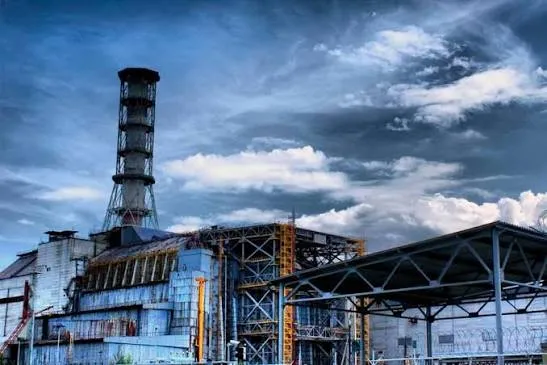
The Cabinet of Ministers has approved a draft law amending the National Programme for the Decommissioning of the Chernobyl Nuclear Power Plant and the Transformation of the ‘Shelter’ Facility into an Environmentally Safe System.
This involves updating the objectives and measures of the current programme. This is because the previous stages of the work have already been completed.
In particular, the ‘decommissioning’ and ‘preparation for decommissioning of the Chernobyl Nuclear Power Plant’ phases have been completed. The next stage is to be the actual decommissioning of the plant and the subsequent transformation of the ‘Shaft’ facility into an environmentally safe system.
Until what year do they intend to extend the programme?
The draft bill provides for the extension of the current programme’s duration until 2036.
The document is also expected to specify the necessary funding levels and sources. In other words, this involves not only extending the deadlines but also updating the financial framework for work at the Chernobyl Nuclear Power Plant and the ‘Shaft’ facility.
What is changing following the Russian Federation’s attack
Separately, the draft bill sets out additional tasks and measures to address the consequences of damage to the structures of the New Safe Confinement arch.
This refers to damage caused by a direct hit from a Russian unmanned aerial vehicle.
The New Safe Confinement was erected over the old ‘Shelter’ structure, which covers the destroyed fourth power unit of the Chernobyl NPP. Therefore, the issue of its technical condition is of not only infrastructural but also environmental and safety significance.
The Chernobyl Nuclear Power Station is in the process of gradual decommissioning following the 1986 accident and the permanent shutdown of its power units. The ‘Shelter’ facility is to be transformed into an environmentally safe system, which will require long-term technical, engineering and radiation safety work.
The update to the state programme means that the government is moving on to the next phase of work and must set new deadlines, objectives and sources of funding.
Following the Russian attack, another task has been added to these: addressing the consequences of damage to the arch of the New Safe Confinement.
As the government has approved the draft law, the document still needs to be considered by the Verkhovna Rada.
If approved by parliament, the programme for decommissioning the Chernobyl Nuclear Power Plant and transforming the ‘Shelter’ facility will be updated, and its implementation period will be extended to 2036.
Follow us on Telegram.

