AOZ explained the purchase of grenade launchers following the SBU searches

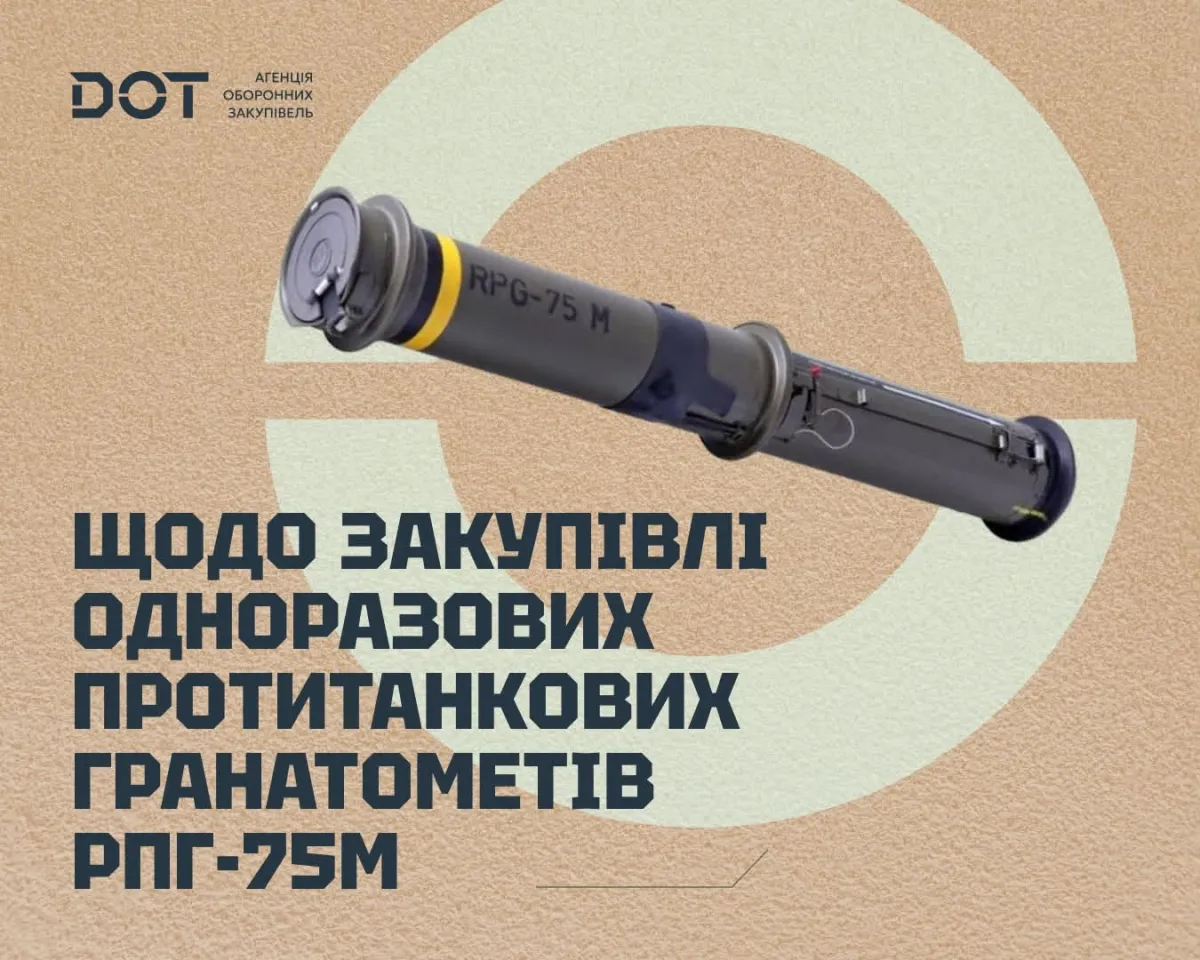
This has been reported by the Defence Procurement Agency.
The Defence Procurement Agency stated that the government contract was awarded to the tenderer who offered an equivalent to the procurement item at the most economically advantageous price.
The Agency emphasised that price is the key criterion for awarding a contract, provided the goods meet the specified technical specifications.
According to the Agency, after receiving the lowest price bid, it approached the military authorities to confirm whether the proposed goods were equivalent to the item to be procured as specified in the requirements. Following this confirmation, the Agency maintains that there were no legal grounds to reject the bid and award the contract to other bidders who had offered more expensive alternatives.
How the Agency explained the advance payment
Separately, the Agency commented on the advance payment to the supplier. The Agency stated that an advance payment is standard practice for suppliers of arms and military equipment, provided they do not have high-risk overdue receivables, a history of systematic contract breaches or other restrictive circumstances.
The Agency also added that if the goods are not accepted by the Armed Forces’ logistics service, a claim will be sent to the supplier demanding the return of the advance payment.
The Agency assured that it systematically takes measures to minimise corruption risks. If, during criminal proceedings, collusion between Agency staff and a supplier or other violations is established, the mechanisms of accountability provided for by law and the anti-corruption policy will be applied to them.
What the SBU and the Office of the Prosecutor General are investigating
According to the investigation, the supplier was due to deliver new weapons manufactured between 2024 and 2026. However, the first batch of 3,024 grenade launchers, which arrived at one of the arsenals in May 2026, was not accepted due to poor quality.
Law enforcement officials claim that, in fact, attempts were made to supply the military with grenade launchers dating from the 1980s. According to the investigation, the components were manufactured between 1986 and 1988, and the equipment showed signs of re-marking and significant oxidation.
The sum cited by the investigation
According to law enforcement officials, the supplier received an advance payment of 318.5 million hryvnias. This is the amount at which the investigation estimates the potential losses to the state.
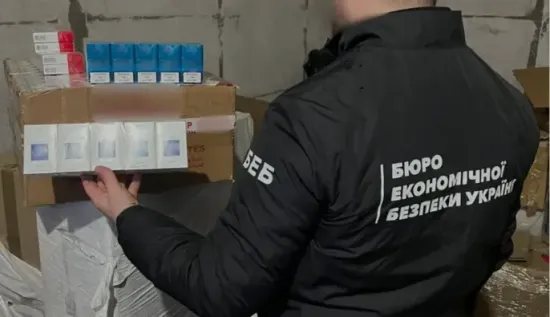
The Office of the Prosecutor General reported that a total of 13 searches were carried out at the offices of the state-owned enterprise, at the supplier’s premises and at the homes of those involved. The case is being investigated under the article concerning obstruction of the lawful activities of the Armed Forces of Ukraine and other military formations during a state of emergency.
What is known about ‘Ukrainian Armoured Vehicles’
Law enforcement agencies have not officially named the company involved in the case. However, the publication ‘Mezha’ reports that, according to the investigation’s materials, the company in question is ‘Ukrainian Armoured Vehicles’.
The company had previously claimed that during the search, the SBU allegedly beat and hospitalised its first deputy director. The SBU denied this, stating that no physical violence was used during the investigative operations and that no complaints had been received from those involved in the searches.
The company’s position
‘Ukrainian Armoured Vehicles’ claimed that around 20 suppliers took part in the procurement process. According to the company, AOZ independently selected the cheapest option — RPG-75M grenade launchers manufactured by the Czech company Zeveta Ammunition.
The company also stated that it had delivered the products in full, although the grenade launchers have not yet been finally accepted. At the same time, according to “Ukrainian Armoured Vehicles”, the company had not received any complaints from the customer.
Further developments in the case will depend on the results of expert examinations and investigative actions. The key questions are whether the grenade launchers supplied really did not meet the terms of the contract, whether there were grounds for making an advance payment to the supplier, and whether there was collusion between officials and the company.
Until the investigation is concluded and a court ruling is issued, the parties’ versions of events remain at odds. The investigators allege that old grenade launchers may have been supplied under the guise of new ones; the State Defence Order (AOZ) insists on the legality of the procurement procedure; and the supplier company denies the allegations.
Follow us on Telegram.