Documentary memory of the Holocaust as a basis for resilience and shared responsibility

On International Holocaust Remembrance Day in Ukraine, the issue of preserving Jewish documentary heritage as a component of social stability, historical responsibility and human rights protection was raised. The focus was on the role of archives, libraries and museums in recording crimes against humanity and preventing their denial or distortion.
During a professional discussion held on this day with the support of UNESCO, the Ministry of Culture of Ukraine and the European Union, it was emphasised that behind the millions of victims of the Holocaust are specific names, families and communities, and it is the documentary heritage that preserves these specifics and counteracts the depersonalisation of the tragedy. In the context of war, this is particularly important for Ukraine, as genocidal practices can return in new forms — through dehumanisation, the destruction of identity and the erasure of historical presence.
Special attention was paid to digitisation as a tool for preserving vulnerable materials, expanding access to them and using them in education. Such approaches allow memory to be integrated into the contemporary public space and made accessible not only to researchers but also to the wider society.
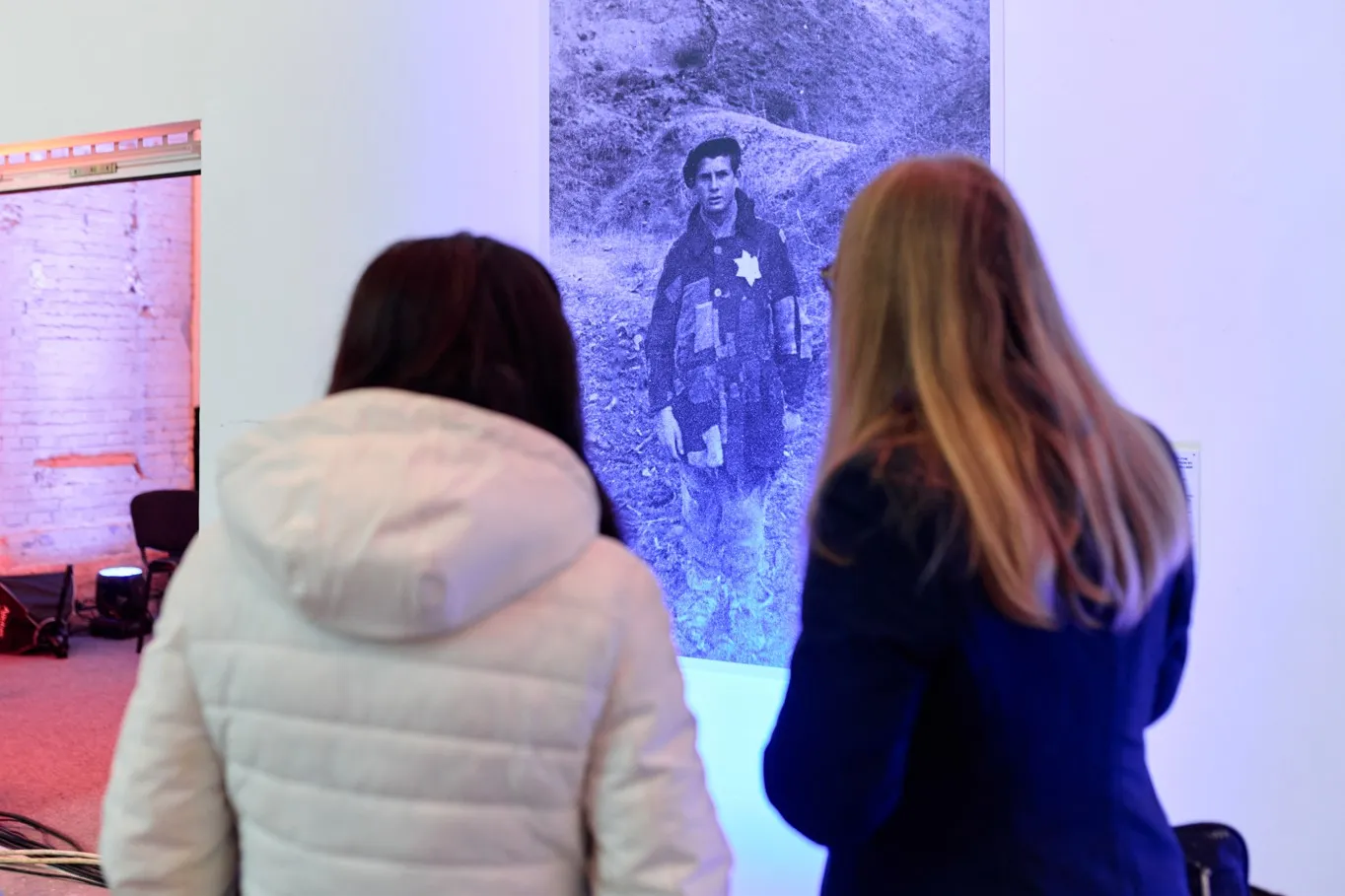
The event also featured the exhibition project "Voices that Survived: Jewish Memory and Resilience in Ukraine," which uses archival materials to explore Jewish life before World War II, the tragedy of the Holocaust, and the multi-layered memory of Babyn Yar. The exhibition is part of a broader UNESCO initiative to protect and digitise Jewish documentary heritage with the financial support of the European Union.
The memory of the Holocaust on 27 January sounded like a call for joint action: to preserve documents, work with them responsibly and use them as a warning against hatred, fanaticism and the repetition of crimes in the future.
International Holocaust Remembrance Day, documentary heritage, historical memory, digitisation, UNESCO