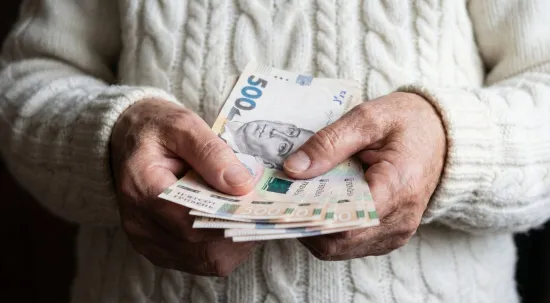
Electricity prices could rise to 13 hryvnia: what the Rada has said

This was discussed during a public online debate organised by the RRR4U consortium.
In Ukraine, there is renewed discussion of a gradual transition to market-based tariffs for utility services.
This concerns electricity, gas, heating and hot water.
Such commitments are set out in agreements with the IMF and the EU’s ‘Ukraine Facility’ financial support programme.
According to participants in the RRR4U discussion, the gap between current tariffs for households and the actual market cost of energy resources remains significant.
Currently, domestic consumers pay 4.32 UAH per kWh for electricity.
At the same time, the market cost of electricity, according to the participants in the discussion, is approaching 13 UAH per kWh.
The situation is similar with gas. Ukrainians pay around 8 UAH per cubic metre, whilst the market price is approaching 28 UAH.
In fact, current tariffs cover only about a third of the actual cost.
What they are saying in the Rada
Andriy Gerus, Chair of the Parliamentary Committee on Energy, stated that the state has two options.
The first is to gradually bring tariffs closer to an economically justified level.
The second is to continue keeping them artificially low, compensating the difference to utility companies from the budget.
Otherwise, he said, the sector will continue to accumulate debt.
The situation remains particularly difficult for district heating companies.
They purchase gas from Naftogaz, but due to underpriced tariffs, they are unable to pay for the supplies in full.
This leads to legal disputes, enforced recovery of funds and creates risks for preparations for the heating season.
What will happen to subsidies
Experts note that the transition to market-based tariffs will inevitably increase the financial burden on the population.
Therefore, the state must simultaneously expand the system of targeted assistance for families who will be unable to pay for utilities on their own.
According to participants in the discussion, in 2024–2025, state expenditure on subsidies and benefits amounted to around 36 billion UAH annually.
Following the transition to market prices, the need for social support may increase.
Participants in the discussion emphasise that European practice allows for the combination of market tariffs with social protection for the population.
At the same time, assistance must be targeted and provided to those citizens who genuinely need it.
Follow us on Telegram