How far can Iranian missiles reach?

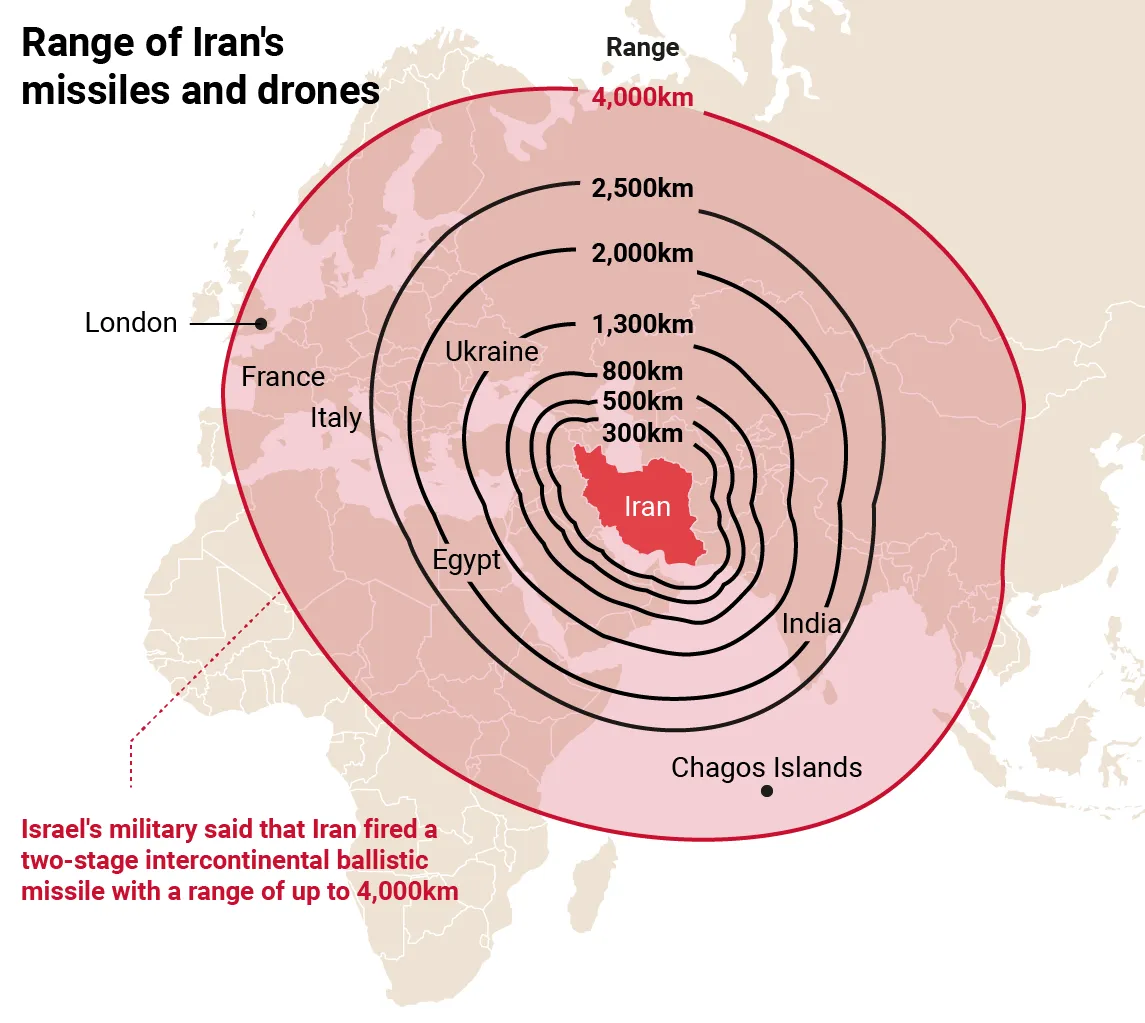
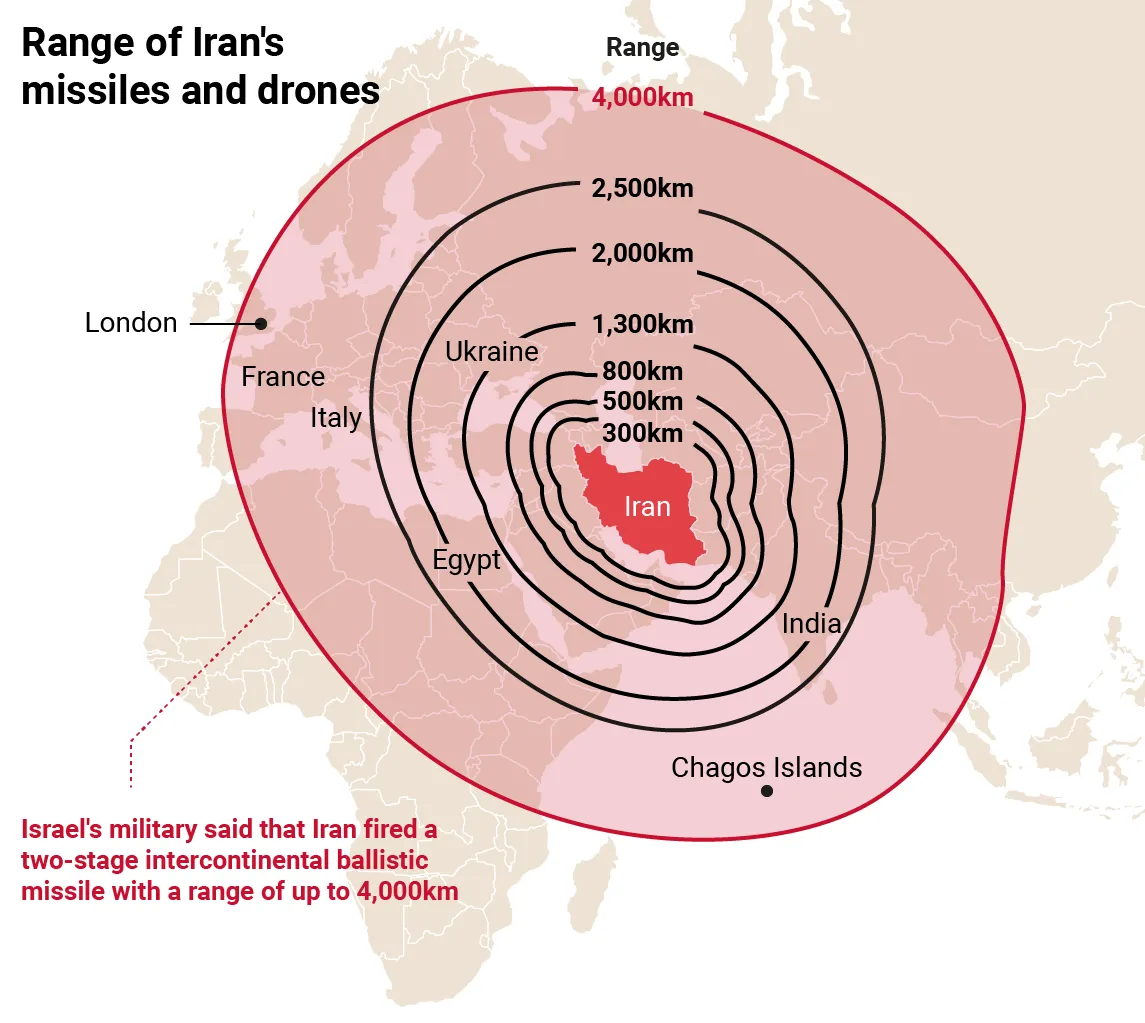
Iran has fired two medium-range missiles towards Diego Garcia, a joint US-UK military base in the Indian Ocean. According to diplomatic and intelligence sources, this was a signal to European allies. This is reported by The Public, citing The Times.
British Prime Minister Keir Starmer condemned Iran’s actions, stating that Tehran was “losing its grip” following the attack. The Diego Garcia base is located roughly the same distance from Iran as London or Paris.
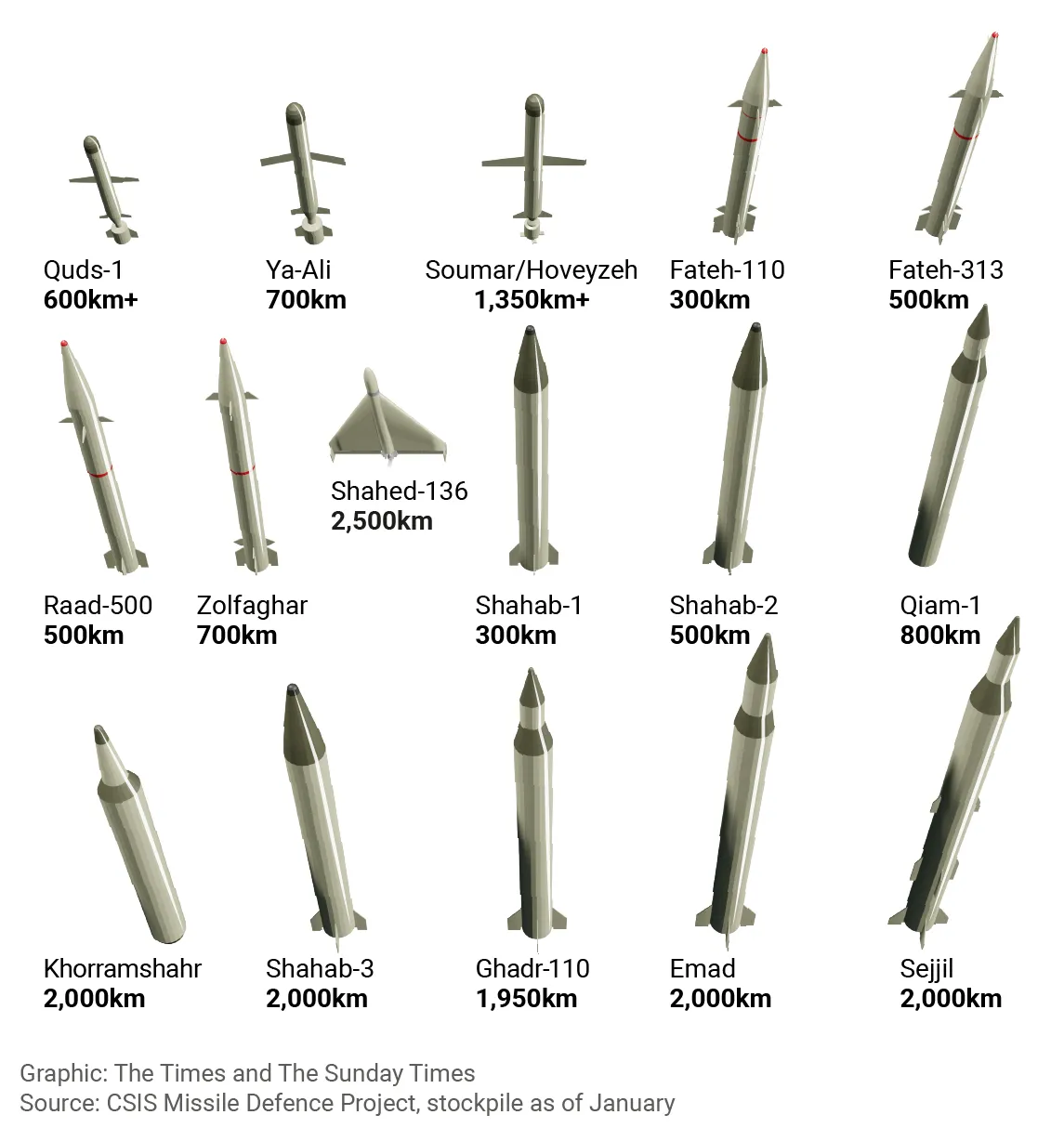
The Israel Defence Forces (IDF) confirmed that this was the first time since the start of Operation Roaring Lion that Iran had deployed a missile capable of travelling around 2,500 miles. The statement noted that the Iranian regime poses a global threat and possesses missiles capable of reaching London, Paris or Berlin.
There is no confirmation that Iran possesses missiles capable of reaching Diego Garcia. The first missile was intercepted between Thursday night and Friday morning. It was reportedly shot down by a missile from a US warship. The second missile fell after travelling 1,990 miles, approximately 400 miles from the base in the Chagos Archipelago, where around 100 British military personnel are stationed.
Following the incident, the UK extended permissions for the use of Diego Garcia and RAF Fairford bases for ‘specific and limited defensive operations’. Previously, London had only permitted the use of its bases for defensive actions.
On Friday, the UK agreed to allow the US to use its bases for strikes against Iranian targets linked to attacks on ships in the Strait of Hormuz. Downing Street emphasised that this remains within the bounds of ‘collective self-defence’.
Conservative Party leader Kemi Badenoch accused the government of failing to announce the strike earlier. She claimed that the Prime Minister had delayed the response to the conflict from the outset.
Keir Starmer confirmed that the US cannot use the RAF Akrotiri base in Cyprus for self-defence or to degrade Iran’s missile capabilities.
US Central Command (US Centcom) reported that Iran’s ability to threaten the Strait of Hormuz had been reduced following thousands of strikes on anti-ship missile depots and intelligence facilities. Iran, for its part, informed the International Atomic Energy Agency of an attack on a nuclear facility in Natanz. The Israeli Defence Forces denied any involvement.
Iranian Foreign Minister Abbas Araghchi stated that the decision to allow the use of British bases puts the lives of British citizens at risk. President Donald Trump noted that Britain should have acted more quickly.
Danny Sitrinovich, former head of the Iranian desk at Israeli intelligence, stated that the strikes demonstrate Iran’s unprecedented capabilities in the field of ballistic missiles. According to him, the restriction of range to 2,000 km was previously a political decision by Ali Khamenei.
A diplomatic source noted that the aim was not to strike Diego Garcia, but to demonstrate capabilities as a warning to the UK and European allies. According to him, Iran wants Europe to stay out of the conflict.
Donald Trump has stated that he is considering the possibility of winding down the war, as the US is close to achieving its objectives. Meanwhile, the Pentagon has drawn up plans to deploy thousands of American troops to the region.
General Sir Richard Barrons stated that the US must choose between ending the war or its further escalation. He also noted that strikes on Kharg Island or a blockade are possible.
Iranian agencies reported US and Israeli strikes on a passenger vessel and a terminal at the port of Bushehr.
The UK Ministry of Defence stated that Iran’s actions pose a threat to British interests and allies, and that the country’s military forces continue to protect personnel in the region.
Foreign Secretary Yev Cooper stated that the UK would not participate in offensive operations but supports defensive measures to protect its interests.
Kemi Badenoch called on the government to provide full information about the attack on Diego Garcia and to explain why the public had not been informed earlier.
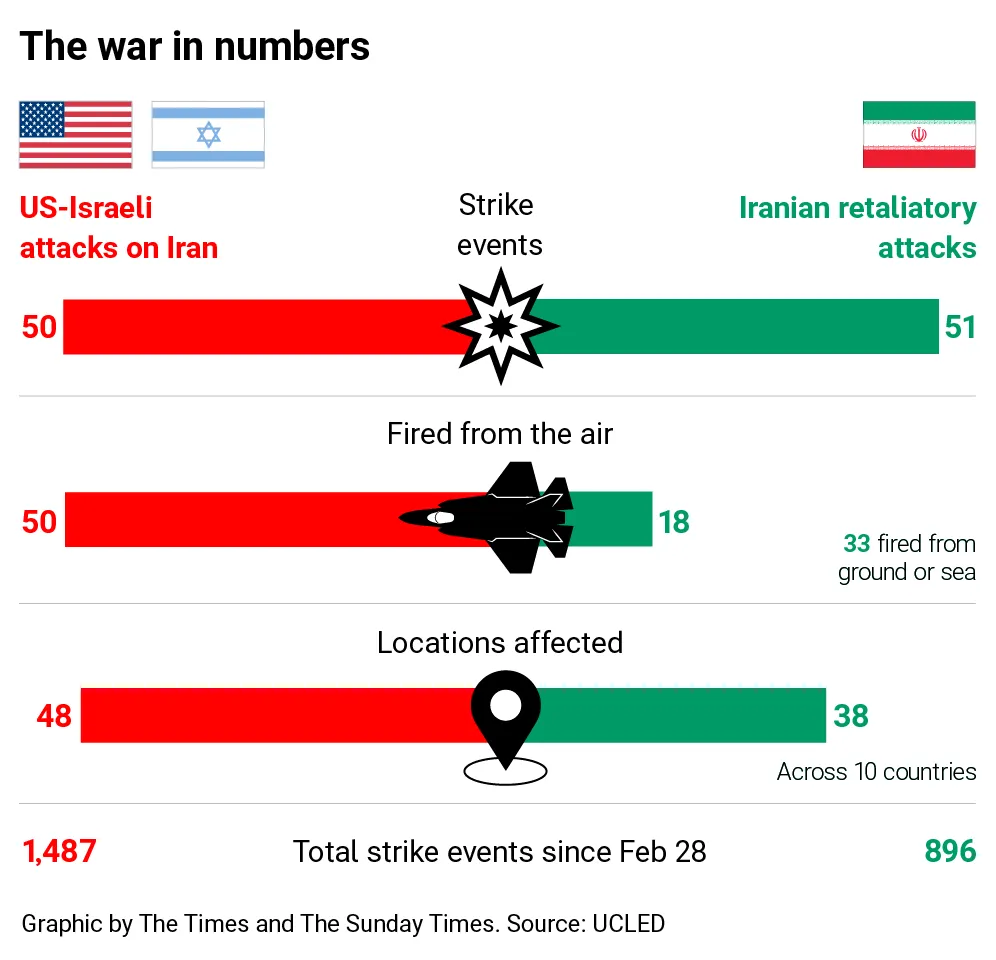
According to the Human Rights Defenders News Agency, at least 640 strikes were carried out on Friday across 17 provinces in Iran, resulting in the deaths of at least 68 people. In total, over 8,000 military targets were struck, including 130 vessels, Admiral Brad Cooper reported.
Israel confirmed strikes on ballistic missile production facilities, which significantly reduced Iran’s ability to produce key components.
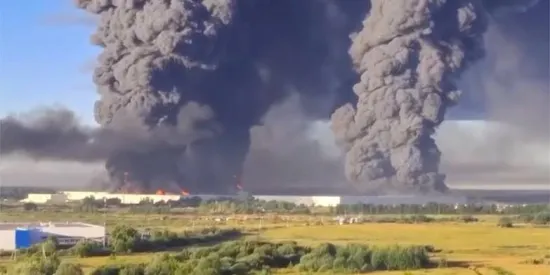
On Saturday evening, Israeli emergency services reported a large number of casualties following an Iranian missile strike on the city of Arad. Seventy-five people were taken to hospital, ten of whom were in a serious condition.
A few hours earlier, a strike had been carried out on Dimona, approximately 13 km from the Negev Nuclear Research Centre. Thirty-three people received medical treatment, including a 10-year-old boy in a critical condition.
The Israel Defence Forces are investigating why they failed to intercept the missile that struck Dimona.