A man with the hantavirus has been hospitalised in the Lviv region: what were his symptoms?

This has been reported by the Lviv Regional Centre for Disease Control and Prevention.
The man fell ill on 12 July: his temperature rose to 38.6°C, and he experienced chills, a headache, nausea and muscle pain. He was admitted to hospital with a provisional diagnosis of ‘unspecified bacterial infection’.
Laboratory tests revealed the presence of hantavirus RNA in the patient, which caused haemorrhagic fever with renal syndrome.
In early July, the man was on holiday in Croatia on the Makarska Riviera, where he swam in the Adriatic Sea. By 11 July, he had travelled to the mountains in the Ivano-Frankivsk region and washed his hands in the Kam’yanka River in the Stryi district.
However, the patient himself denies any contact with rodents or having been in any cellars. He also insists that he did not consume any food or water that might have been contaminated by animal excrement.
Doctors have not yet established exactly where he became infected; the epidemiological investigation is ongoing.
Hantavirus: what is known
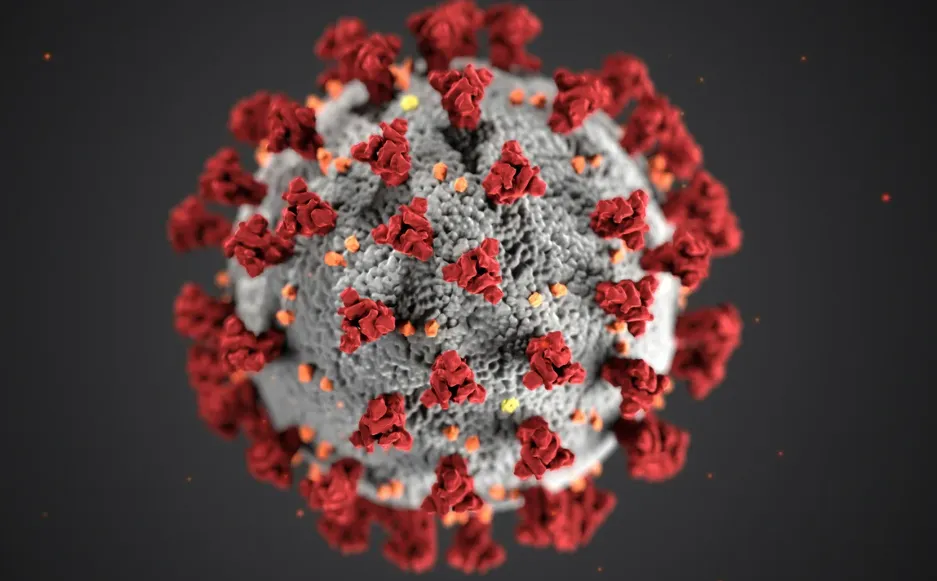
Hantaviruses are a group of viruses whose main carriers are mouse-like rodents. They can be fatal to humans, causing haemorrhagic fever with renal syndrome (common in Europe and Asia) or hantavirus pulmonary syndrome (more common in the Americas).
Humans can become infected:
- through dust contaminated with the urine, faeces or saliva of infected rodents;
- through food and water if rodents have had access to them;
- through contact between broken skin or mucous membranes and rodent secretions.
The incubation period of the disease lasts from one to eight weeks. In the early stages, the symptoms are similar to those of other infections (particularly leptospirosis), including a sudden rise in temperature, chills, weakness, severe headache, muscle pain, nausea and loss of appetite.
To protect yourself from infection, doctors advise washing your hands thoroughly with soap before eating and after doing household chores, avoiding contact with dead rodents, their nests and excretions, and not drinking water from untested sources.
In addition, it is advisable to use traps and bait to control rodents and to seal any gaps through which they might enter the premises.
Follow us on Telegram