Israel spent years preparing an operation to eliminate Ali Khamenei

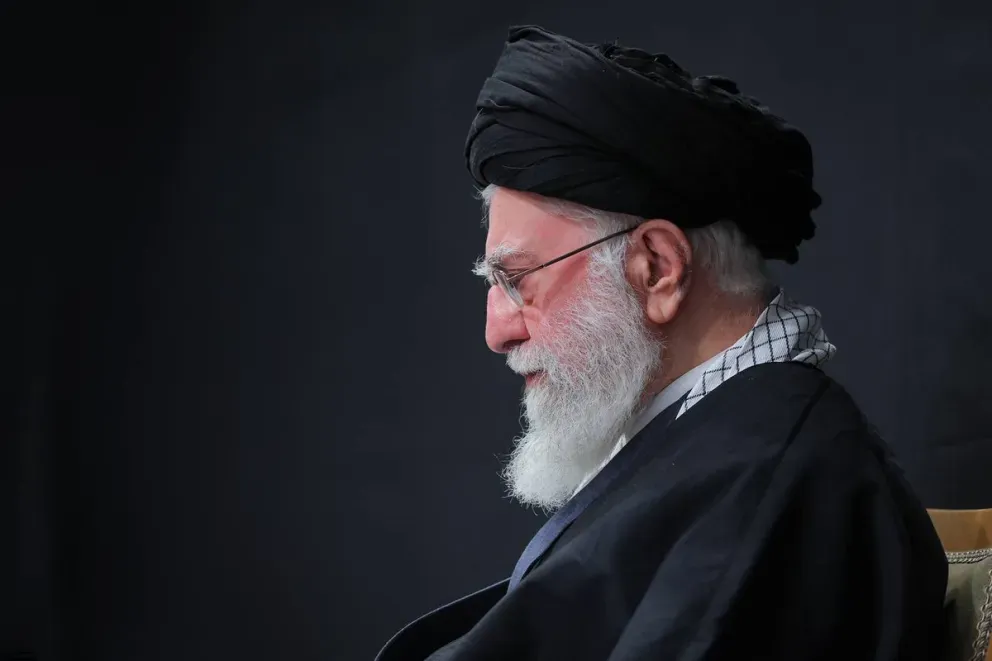
Before striking the complex near Pastur Street in Tehran, where 86-year-old Ali Khamenei was killed on Saturday, Israeli intelligence services had been conducting long-term surveillance of his entourage. According to two people familiar with the situation, almost all city surveillance cameras in Tehran had been hacked over the course of several years. Their images were encrypted and transmitted to servers in Tel Aviv and southern Israel.
One of the cameras made it possible to determine where the guards parked their personal cars, which made it possible to track their daily routes and work schedules. Algorithms were used to compile dossiers on security personnel with addresses, travel routes and information about the people they were escorting.
These capabilities were part of a long-running intelligence campaign. The camera data was just one of many sources of information that helped determine when Khamenei would be in his office that Saturday morning and who would be with him. Israel was also able to disable certain components of mobile towers near Pastur Street, making it difficult for his security detail to communicate.
One current Israeli intelligence official said Tehran was as familiar to them as Jerusalem. The data was collected by Unit 8200, a signals intelligence unit, Mossad agents and military intelligence. Social media analysis was used to process billions of pieces of data and identify potential targets.
According to former and current intelligence officials, the elimination of Khamenei was a political decision. When the CIA and Israel determined that a meeting with senior officials would take place at his compound on Saturday morning, it was decided to seize the opportunity. It was believed that once full-scale hostilities began, it would be more difficult to track Iran's leadership, as they could go into hiding.
Khamenei did not live in underground bunkers permanently, unlike Hezbollah leader Hassan Nasrallah, who hid underground for years until his death in September 2024. According to one of the interlocutors, Khamenei had two bunkers, and if he had been in them, Israel would not have been able to reach him with the ammunition it had.
The operation was prepared for months. After confirming the meeting, Israeli planes, which had been in the air for several hours, fired up to 30 high-precision munitions. The Israeli military noted that the daytime strike gave them a tactical advantage.
According to Sima Shine, a former Mossad representative, the first stage of the change in approach was the 2001 decision by then-Prime Minister Ariel Sharon to make Iran a priority target for intelligence. She cited the Hamas attack on 7 October 2023, which Israel links to Iranian support, as the second turning point.
Israel had previously carried out operations against Iranian scientists and military personnel, as well as other opponents abroad. In 2024, Hamas leader Ismail Haniyeh was eliminated in Tehran. A long-standing project to plant explosive devices in Hezbollah pagers and radio stations is mentioned separately.
At the same time, Iranian special services also carried out cyberattacks. In 2022, data was released from a phone that, according to individuals associated with Iran, belonged to the wife of the head of Mossad. During the 2025 war, Iran hacked surveillance cameras in Jerusalem to assess the impact of the strikes.