European countries have allocated over €10 billion to tackle the 2026 energy crisis
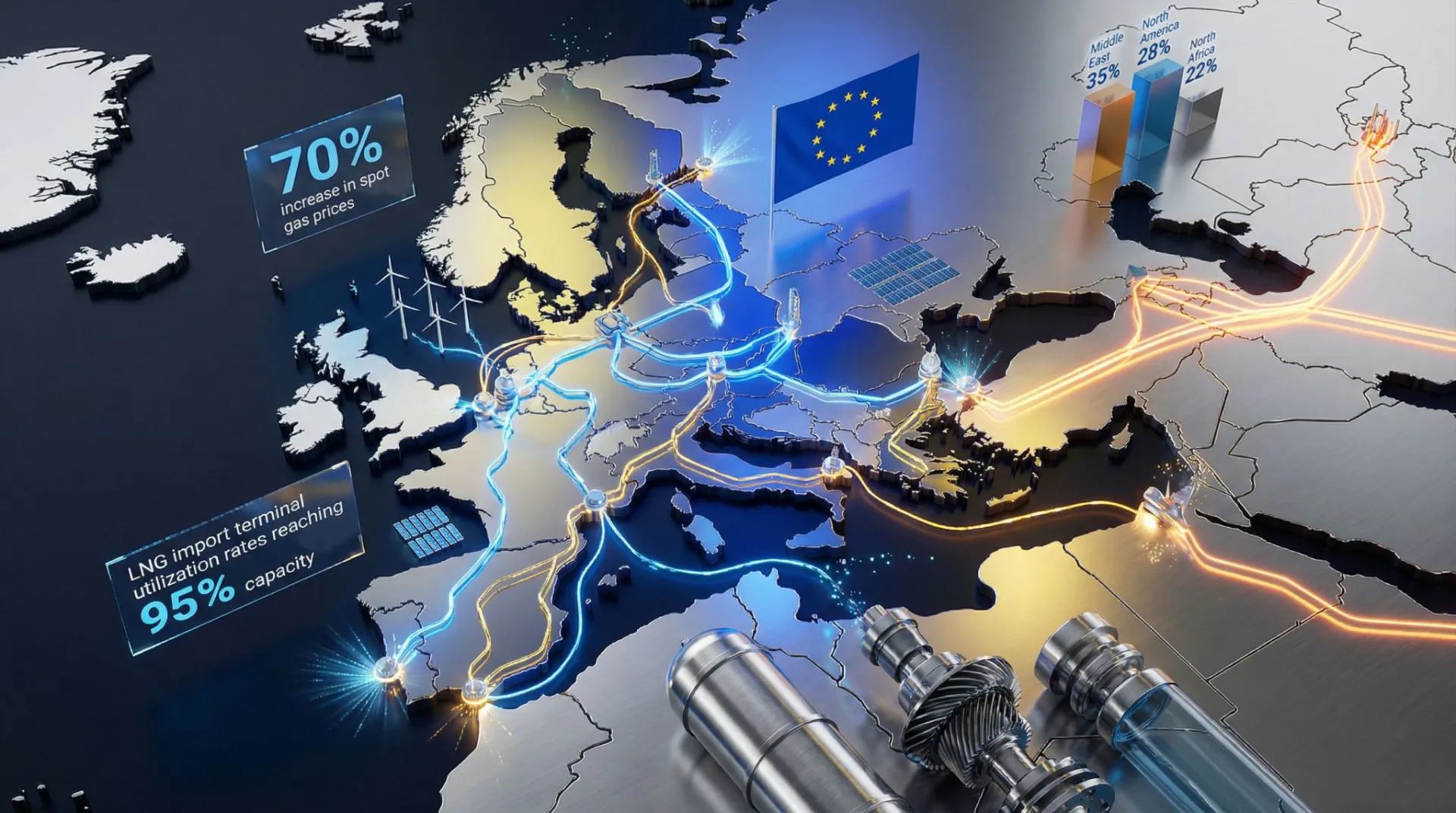
Following the US and Israeli strike on Iran on 28 February 2026 and the subsequent closure of the Strait of Hormuz, global oil and gas prices rose sharply. In response, the governments of a number of European countries began to implement fiscal measures to support households and businesses, according to Bruegel.
According to the study, the total volume of measures already announced amounts to almost €10.46 billion. Spain and Germany have allocated the largest sums in absolute terms, with Spain accounting for almost half of the total. In relative terms, the leaders are Spain, Bulgaria, Greece and Ireland.
Around 80% of the funds, or €8.3 billion, are directed towards general measures, in particular reductions in excise duties and VAT on energy. Such measures do not have clearly defined target groups. Some countries have also introduced sector-specific support, such as fuel subsidies, whilst only four countries have introduced specific measures for households.
Among the individual measures taken by countries:
Belgium has allocated €80 million for transport support, assistance for business travel and compensation for home heating.
Bulgaria has allocated €225 million for transport and electricity support for industry.
France has allocated €70 million for commercial fuel subsidies.
Germany has introduced a €1.620 billion reduction in energy taxes.
Greece has allocated €300 million to support consumers and farmers.
Ireland has earmarked €725 million for a two-stage reduction in excise duties.
Italy has allocated €517 million to reduce excise duties and provide tax relief for the transport sector.
The Netherlands has allocated €967 million to a range of programmes, including energy funds, support for households and tax rebates.
Poland has introduced a package worth approximately €396 million to reduce fuel prices.
Spain has allocated €5 billion to reduce VAT and support transport, farmers and industry.
Sweden has earmarked around €466 million for fuel tax cuts and compensation for electricity and gas.
The UK has allocated around €61 million to support households using oil for heating.
The study notes that only measures with clearly defined budgets are taken into account, whilst initiatives without specified amounts or those that are budget-neutral are not included in the calculations.