Journalists have uncovered seven further deaths of conscripts during exercises at ‘Skela’

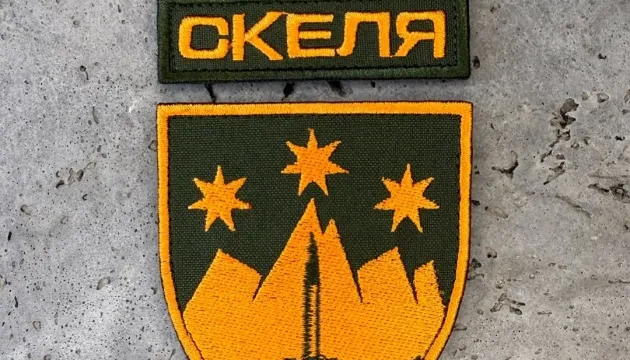
Six new episodes cover the same six-month period, whilst one took place last summer. Most of those conscripted died after spending less than a month in the regiment. In total, from late autumn last year to spring 2026, the editorial team recorded 31 deaths.
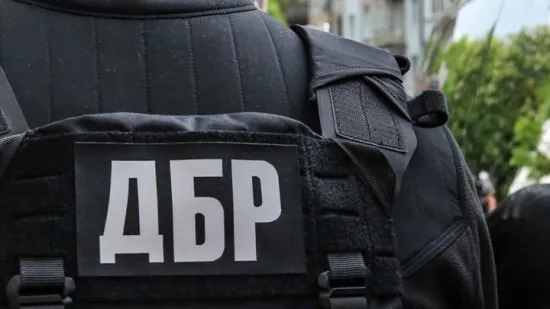
All the newly identified cases, like the previous ones, along with the contact details of the deceased’s relatives, have been passed on by the editorial team to investigators at the State Bureau of Investigations.
List of conscripts who died during training:
Serhiy Anatoliyovych Bohdanov, aged 43. According to his relatives, he did not have a drug addiction. According to his family, on 26 January 2026, Bohdanov was mobilised into the ‘Skelya’ regiment. He died in hospital on 4 February 2026. The official cause of death was acute cardiovascular failure, unspecified cardiomyopathy. According to his mother, Olga Bogdanova, she has a photograph showing her husband’s face had been beaten. She also says that when her son’s body was being dressed at the mortuary, it looked as though he had been beaten.
Igor Mykolayovych Chausov, aged 38. According to his relatives, he did not have a drug addiction. On 11 February 2026, he joined the 155th Mechanised Brigade; his basic military training took place at the ‘Skeli’ base, to which he was officially seconded. He died on 7 March 2026 in hospital. The official cause of death was intoxication, the toxic effects of unspecified substances, accidental poisoning and the effects of other unspecified chemical and toxic substances. Photographs and videos provided by his wife show his fingers and toes turning blue.
Andriy Viktorovych Kuksa, aged 47. According to his relatives, he did not have a drug addiction. He was mobilised into the ‘Skelya’ unit on 15 October, but, according to his family, his service was not officially registered for a long time. He died on 6 December in the entrance hall of a block of flats in Zhovti Vody. The official cause of death is deliberate self-harm. His family found the body themselves in the mortuary; they report six stab wounds to the neck inflicted with a sharp object. They maintain that Andriy was stalked and murdered.
Yevhen Mykhailovych, aged 41. According to his relatives, he had no history of drug addiction and was a devout believer. He was conscripted into the ‘Skelya’ unit on 1 December 2025. He died in hospital on 1 January 2026. The official cause of death was acute purulent bacterial meningitis. According to his relatives, Yevhen’s body appeared extremely thin and emaciated.
Dmytro Vasylovych Tsukanov, aged 41, was on substitution maintenance therapy. He was mobilised to ‘The Rock’ on 21 January 2026. He died near the site of the BZPV on 2 February 2026. The official cause of death was pneumonia. His father, Vasyl Tsukanov, speaks of suspicious marks on his son’s body.
Volodymyr Andriyovych Potapenko, aged 51. According to his relatives, he did not have a drug addiction. According to his wife, Olena Dudina, he was assigned to the regiment on 2 February 2026 and died on 21 February 2026 whilst guarding one of the ‘Rock’ facilities. The official cause of death was cardiopulmonary failure and partial pneumonia. His wife believes that Volodymyr did not receive medical assistance in time.
Igor Oleksandrovych Tatarintsev, aged 28. According to his relatives, he did not have a drug addiction. He was mobilised on 9 July 2025. He died in hospital on 13 July 2025. The official cause of death was cardiomyopathy. He was admitted to hospital with suspected poisoning by an unknown substance.
The situation in the ‘Skelya’ regiment: what is known
The controversy surrounding the 425th Separate Assault Regiment ‘Skelya’ arose following a high-profile article by the publication ‘Babel’, whose journalists had gathered detailed information about the mass deaths of soldiers between late autumn 2025 and spring 2026.
The investigation reported at least 26 deaths among conscripts, none of which were in any way linked to direct combat operations at the front. According to media reports, the majority of those mobilised died shortly after conscription from severe pneumonia, cardiovascular complications and other illnesses.
Relatives of some of the deceased have publicly alleged possible negligence in the provision of medical care by the regiment’s command, as well as isolated cases of physical abuse; however, the regiment itself categorically denies such serious allegations. At the same time, official representatives of ‘The Rock’ reported that some of the problems described in the article had allegedly been rectified several months ago, and assured that they were fully prepared to cooperate with any investigations into all the issues raised in the publication.
Following significant public outcry, on 24 June the State Bureau of Investigations announced the launch of a pre-trial investigation into possible violations of servicemen’s rights and the abuse of authority by the command of the assault regiment.
On the same day, Dmytro Lubinets, the Ukrainian Parliament’s Human Rights Commissioner, stated that he had taken personal charge of investigating reports of possible torture of soldiers at ‘Skelya’. To resolve this crisis, the Ombudsman held a special working meeting with the Commander-in-Chief of the Armed Forces of Ukraine, Oleksandr Syrskyi, after which a special monitoring group from the Ombudsman’s Office immediately travelled to the unit’s location to carry out a thorough inspection.
Under the pressure of these circumstances, as early as 25 June, the 425th Special Forces Unit ‘Skelya’ itself confirmed the deaths of 25 of its recruits, and the unit’s commander, Lieutenant Colonel Yuriy Harkavyi, was immediately suspended from his duties for the duration of the official investigation.
On 3 July, the ‘Skelya’ regiment stated that over 500 servicemen had been identified as drug-dependent and referred for treatment.
Follow us on Telegram