Ukrainians’ health has deteriorated due to the war: WHO has identified the most common problems


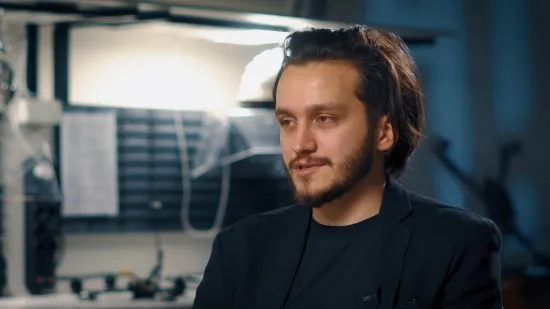
Dr Jarno Habicht, the WHO Representative in Ukraine and Head of the WHO Office in Ukraine, made this statement in an interview with RBC-Ukraine.
Prolonged stress caused by the war, sleep disturbances, a constant sense of danger and living in conditions of uncertainty have a negative impact on the body. This can accelerate the ageing process and contribute to the development of chronic diseases.
“According to our research, two out of three people report that their health has deteriorated compared to the pre-war period,” said Dr Habicht.
The results of WHO surveys indicate that around 70 per cent of adults have experienced a decline in their health compared with the period before the full-scale invasion began.
Furthermore, by the end of 2025, half of the adult population acknowledged that their health had deteriorated over the previous year.
Among the most common problems were:
- sleep disturbances (72%),
- headaches and migraines (59%),
- symptoms of anxiety, depression and post-traumatic stress disorder (54%).
“The stress accumulated over the last four years and prolonged life in a state of war are already manifesting themselves in a rise in the prevalence of chronic non-communicable diseases,” emphasised the head of the WHO office in Ukraine.
The consequences of prolonged stress are already evident in medical statistics. In particular, the number of hospitalisations due to stroke has risen by 11 per cent, and those due to heart attack by 7 per cent.
At the same time, health problems are more frequently recorded among internally displaced persons than among residents of local communities. This is because many of them were forced to leave their homes and experienced additional stress due to forced displacement.
“According to data from the National Health Service of Ukraine, the number of stress-related somatic conditions has risen significantly. For example, in neurology, the number of confirmed diagnoses has more than tripled compared with 2022,” Dr Habicht concluded.
As a reminder, it was previously reported that Ukraine will receive nearly $500 million from the World Bank for healthcare reform.
Follow us on Telegram