End of temporary protection in Spain: which Ukrainians risk losing their status

This is evidenced by public data from Spanish migration authorities and consultations with migration lawyers as of March 2026.
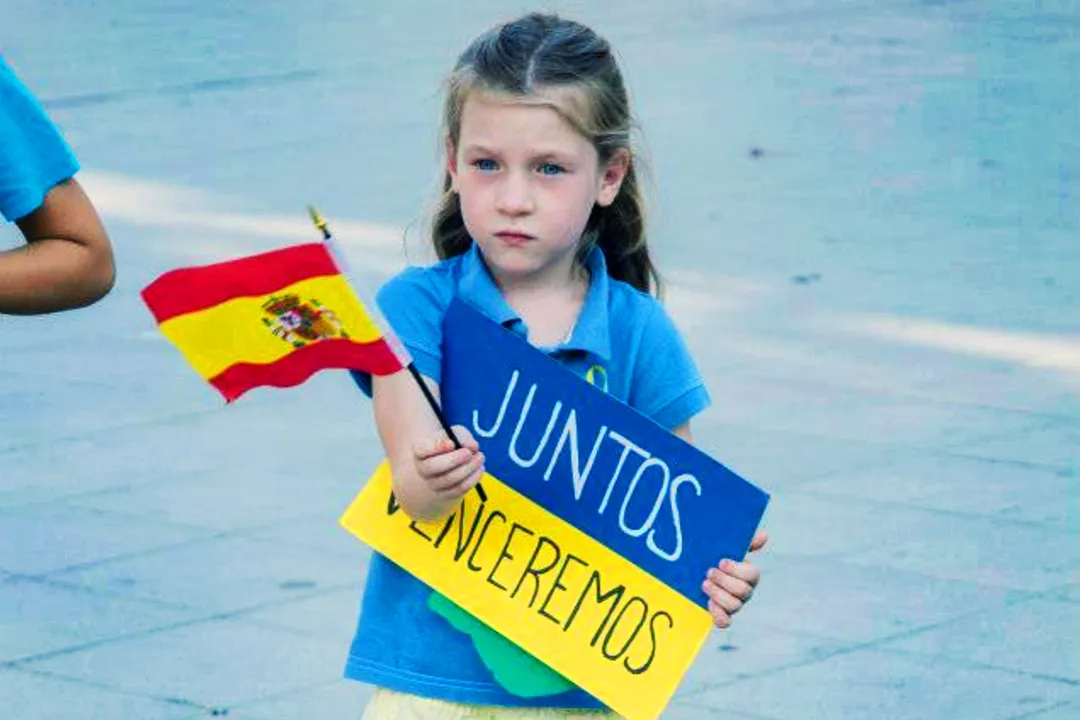
Temporary protection for Ukrainians in Spain, known as Protección Temporal, has been in effect since 2022 and has now been extended until 4 March 2027.
This decision was made at the European Union level and applies to all member states.
After this date, the status will automatically expire. However, this does not mean that all Ukrainians who benefit from it will immediately lose the opportunity to remain in the country legally.
Spain and European institutions are preparing for a gradual transition. A short transition period of approximately one to three months is expected, during which it will be possible to submit documents for individual settlement of one's status.
The final transition procedure is still being developed. That is why migration lawyers advise not to wait for the official final announcement, but to start preparing documents in advance.
As of March 2026, Spain remains one of the countries where Ukrainians are most actively integrating into the labour market and education system. These factors are expected to determine who will be able to remain in the country legally after 2027.
One of the main options for those who are already working officially is a work residence permit.
One of the mechanisms is called arraigo laboral, i.e. a permit based on employment. This requires a valid employment contract, confirmed employment in Spain and an income not lower than the minimum wage. In 2026, this is approximately €1,134 per month.
For those who have an official contract, this route is considered the simplest and most logical.
Another option is family reunification.
If you have a spouse with Spanish citizenship or legal residency, or children with such status, you can apply for a family residence permit. This permit gives you the right to live and work in the country.
In some cases, this also applies to parents.
A separate mechanism is the non-lucrative visa for those who do not work in Spain.
This format is suitable for people with a stable passive income, such as pensioners, property owners or those who receive money from abroad. Requirements include a proven income of €2,400 per month, medical insurance and accommodation in Spain.
You cannot work in Spain with this permit, but you can live there legally.
Another option is a digital nomad visa.
This status may be suitable for Ukrainians who work online for foreign companies or have stable contracts with clients outside the EU. In this case, you need to confirm your source of income and its stability, but the specific requirements depend on your individual situation.
For some Ukrainians, a student permit may be an alternative.
It is suitable for those who have already enrolled or are planning to enrol in accredited universities or educational programmes. This status gives you the right to study, work part-time and, after completing your studies, switch to a work permit.
It is also an option for those who want to stay in Spain but do not yet have a stable job.
Those who are most at risk of losing their legal status are those who have not managed or been able to integrate into the Spanish labour market within four years and do not have family ties with residents.
The most vulnerable are people without official employment, without a stable income, without education and without family in Spain. In such cases, there are very few grounds for transitioning to a new status.
If, after the end of temporary protection, a person does not apply for an alternative permit, they may find themselves in an illegal situation.
The consequences may include a requirement to leave Spain and possible restrictions on re-entry into the Schengen area.
At the same time, European human rights organisations insist on an individual approach to vulnerable categories.
This primarily concerns families with children, people with serious illnesses and those who may need international protection. Separate procedures may be available for them, including asylum, humanitarian residence permits or other forms of legal protection.
For those who do not see the possibility of staying, Spain has a voluntary return programme called REAVA.
It may include payment of a ticket, certain financial support and counselling assistance. This mechanism is designed for those who decide to return voluntarily, rather than after losing their documents and status.
Documents for changing status in Spain are accepted by two institutions: the Oficina de Extranjería and the Policía Nacional.
You will need to contact them after your temporary protection expires or earlier if you already have grounds for a new permit.
As the final transition procedure has not yet been approved, lawyers advise keeping an eye on official sources.
These include the BOE, Spain's official state gazette, where all regulatory changes are published, the website of the Spanish Ministry of Territorial Policy and Public Service, and official communications from the immigration services.
This is where the new rules will appear once they have been finally approved.
Immigration lawyers separately emphasise that the most common and costly mistake is to wait for the official launch of the new procedure and only then start collecting documents.
As of now, Spain does not plan to carry out mass deportations of Ukrainians. At the same time, automatic extension of temporary protection after 4 March 2027 is also not expected.
This means that between these two extremes there remains a window of opportunity which, according to experts, should be used before the current status expires.
Separate attention is drawn to several risk groups.
Ukrainians who work unofficially may face problems confirming their employment status and, consequently, difficulties when trying to switch to another type of residence permit.
People without a stable income remain equally vulnerable, as most types of residence permits require proof of financial solvency, either through official employment or personal funds.
People who live in Spain but do not work also risk losing their status if they do not have another reason for residence, such as study, family reunification, digital nomad status or a non-lucrative visa.
Families with children could also theoretically lose their legal status if neither parent has grounds for a new residence permit.
At the same time, at the EU level, countries are recommended to take an individual approach to such families, so such cases are usually considered separately.
People with serious health problems may in some cases apply for a humanitarian residence permit, international protection or other forms of legal assistance.
All such cases are considered on an individual basis.