Loans for the energy sector are on the rise: banks have already issued over 41 billion hryvnias
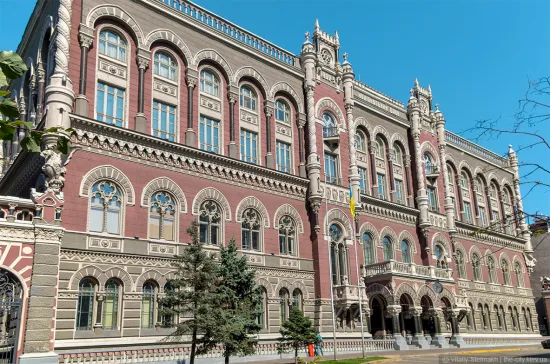
This is evidenced by the results of a survey of banks, according to the NBU’s press service.
According to the regulator, between June 2024 and April 2026, banks issued over 3,500 business loans worth 38.6 billion hryvnias and over 16,000 loans to households worth 2.9 billion hryvnias. Thus, the bulk of the financing is directed towards the corporate sector, which is actively investing in the restoration of energy capacity.
Generation and storage: where the funds are going
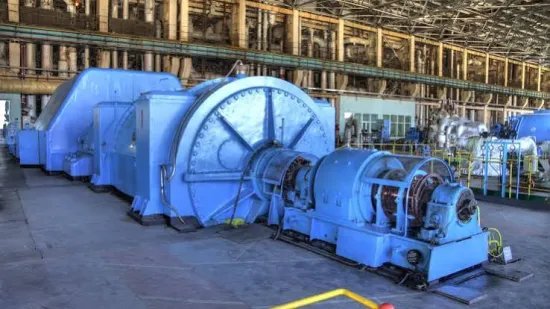
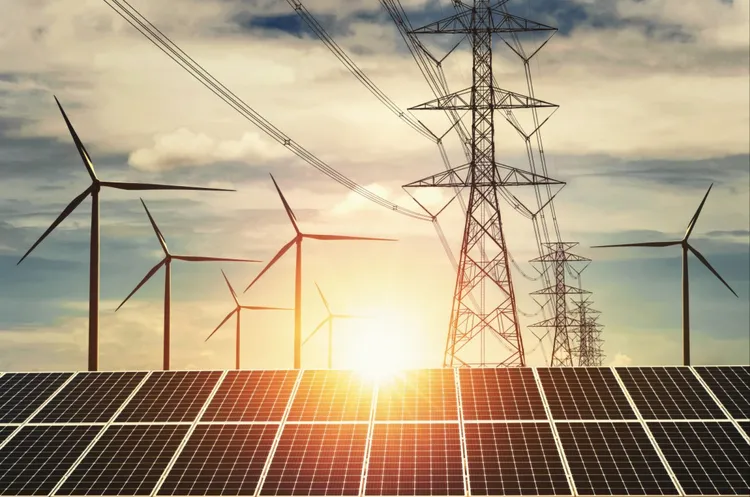
Banks have joined in financing projects to create and restore generation facilities with a total capacity of 1,517 GW. The largest investments are directed towards solar energy, as well as gas, hydro, bio and wind power plants.
In addition to generation, projects involving energy storage – including storage systems, inverters and batteries – as well as the modernisation of heat supply are being actively financed. The total capacity of such projects amounts to a further 631 MW.
Loan portfolio and market dynamics
Some of the loans previously granted are already being gradually repaid, so the gross portfolio of ‘energy’ loans as of 1 April 2026 stands at UAH 27 billion for businesses and UAH 2.3 billion for households.
It is noted that the development of energy sector lending remains one of the financial system’s priorities. According to the regulator, in 2025 net hryvnia-denominated business loans grew by more than a third, and the penetration of lending into the economy increased for the first time since the start of the full-scale war – from 7.7% to 8.7% of GDP.
New financing conditions and the role of the NBU
To further expand lending, the National Bank introduced changes in February to the assessment of credit risk and corporate governance in banks. Banks have also updated the financing terms for investment projects under the memorandum, making them more flexible.
The NBU reports that 53 financial institutions have currently joined the initiative.
In addition, the Financial Stability Council has initiated an update to the lending development strategy to adapt it to new challenges and ensure long-term lending growth without risks to the financial system.
Follow us on Telegram