Kushniruk has spoken out about a new scandal surrounding the AOZ over the procurement of glasses

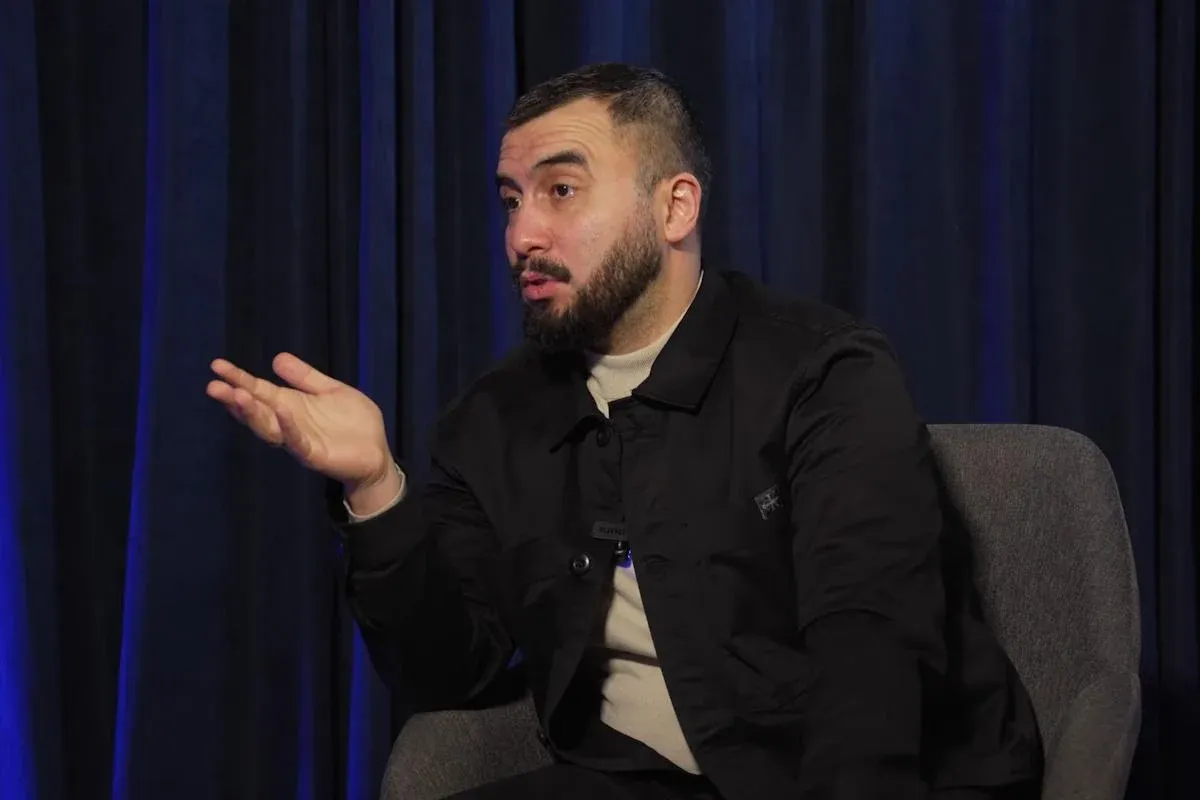
Boris Kushniruk wrote about this in his post.
This concerns the procurement of protective ballistic goggles, which the Defence Procurement Agency carried out on 8 April. According to the publication “Nashi Hroshi”, the winner was TS Trade Ukraine LLC, which is to supply 10,000 sets of goggles by 21 September 2026, worth 8 million hryvnias. Information about the customer – the state-owned enterprise of the Ministry of Defence, the “Defence Procurement Agency” – is also reflected in the Prozorro system.
Kushniruk argues that the main problem lies not in this particular procurement, but in the very model of operation of the “reformed” system, which, in his view, has failed to create an effective filter for weeding out dubious suppliers. In his assessment, he calls for the creation of “blacklists” for companies that have already breached or failed to fulfil contracts, as well as for prioritising manufacturers and official dealers over intermediary structures.
The new contract attracts further attention due to the fact that law enforcement agencies have already investigated a separate case concerning the supply of substandard ballistic goggles to the Armed Forces of Ukraine. On 18 February, the Office of the Prosecutor General announced the exposure of a scheme to supply substandard protective equipment to the military worth 154.8 million hryvnias. According to the investigation, to meet the formal procurement requirements, the supplier used a certificate from a German manufacturer, but expert analyses found that some of the goggles did not meet ballistic resistance requirements.
Reports on the new tender note that TS Trade Ukraine LLC is implicated in this very case involving substandard goggles, which law enforcement agencies had previously investigated in relation to another defence contractor. This has sparked a fresh wave of criticism directed at the Defence Procurement Agency and its head, Arsen Zhumadilov. At the same time, there was no separate public explanation from the Defence Procurement Agency regarding this specific contract at the time the materials were published in open sources.
Thus, the new procurement of goggles has become not only another episode in the saga of defence tenders, but also a catalyst for a broader discussion on whether the defence procurement system, following the reform, has truly learned to weed out risky contractors. In the public sphere, this story currently hinges on a combination of three elements: the contract itself, the official criminal case regarding substandard goggles, and the critical assessment by economist Borys Kushniruk.
As reported by ThePublic, on 16 April, the Antimonopoly Committee of Ukraine found Maestro Group Trading House LLC and Plafon LLC guilty of engaging in anti-competitive concerted practices that led to the distortion of tender results. The total fine for the two companies amounted to 4,113,801 UAH.
Follow us on Telegram