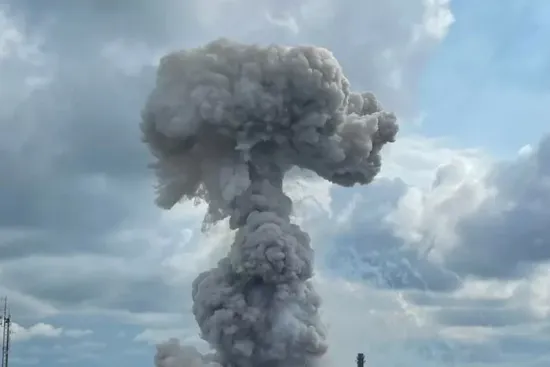
Magnetic storm on 14 May 2026: A G2-level storm hits Earth

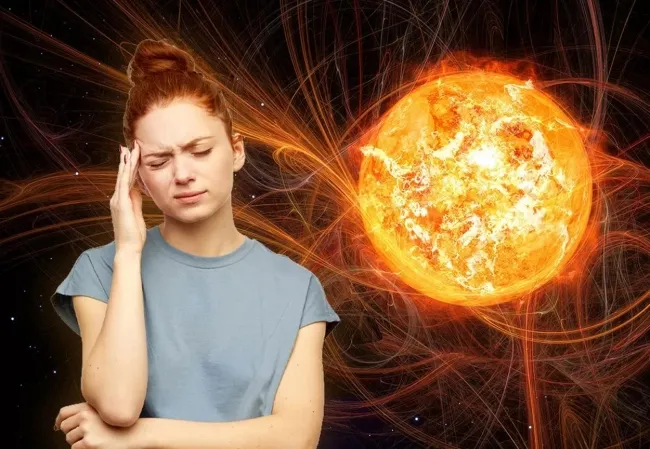
This is according to a forecast by the British Geological Survey.
A new magnetic storm is expected on Earth in May 2026.
According to the British Geological Survey, on 13 May there is a likelihood of a glancing blow from a coronal mass ejection that occurred on the Sun on 10 May.
Experts note that most of the ejected material is unlikely to reach Earth. However, a glancing blow could increase geomagnetic activity and cause a short-lived G1-level magnetic storm.
The main increase in geomagnetic activity is linked to a high-speed solar wind flow from a coronal hole.
It is forecast to reach Earth on 15 May 2026.
“This is a major recurring phenomenon. Geomagnetic activity will increase to G1/G2-level magnetic storms,” the experts noted.
A G2 storm corresponds to a 6-point magnetic storm and is considered moderate.
Why is a G2 magnetic storm dangerous?
G2-level magnetic storms can affect the operation of equipment and people’s well-being.
On such days, headaches, weakness, fluctuations in blood pressure, insomnia and increased fatigue are possible.
Communication and GPS disruptions may also occur.
People who are sensitive to weather changes are advised to monitor their well-being and blood pressure more closely during a magnetic storm.
To cope better with geomagnetic disturbances, it is advisable to get plenty of rest, drink enough water, and avoid stress, alcohol and strenuous physical activity.
As reported by ThePublic, temperatures of up to +48 degrees will affect parts of Asia and the Middle East
Follow us on Telegram