Magnetic storm on 17 March: scientists have warned of increased activity

This has been reported by the British Geological Survey.
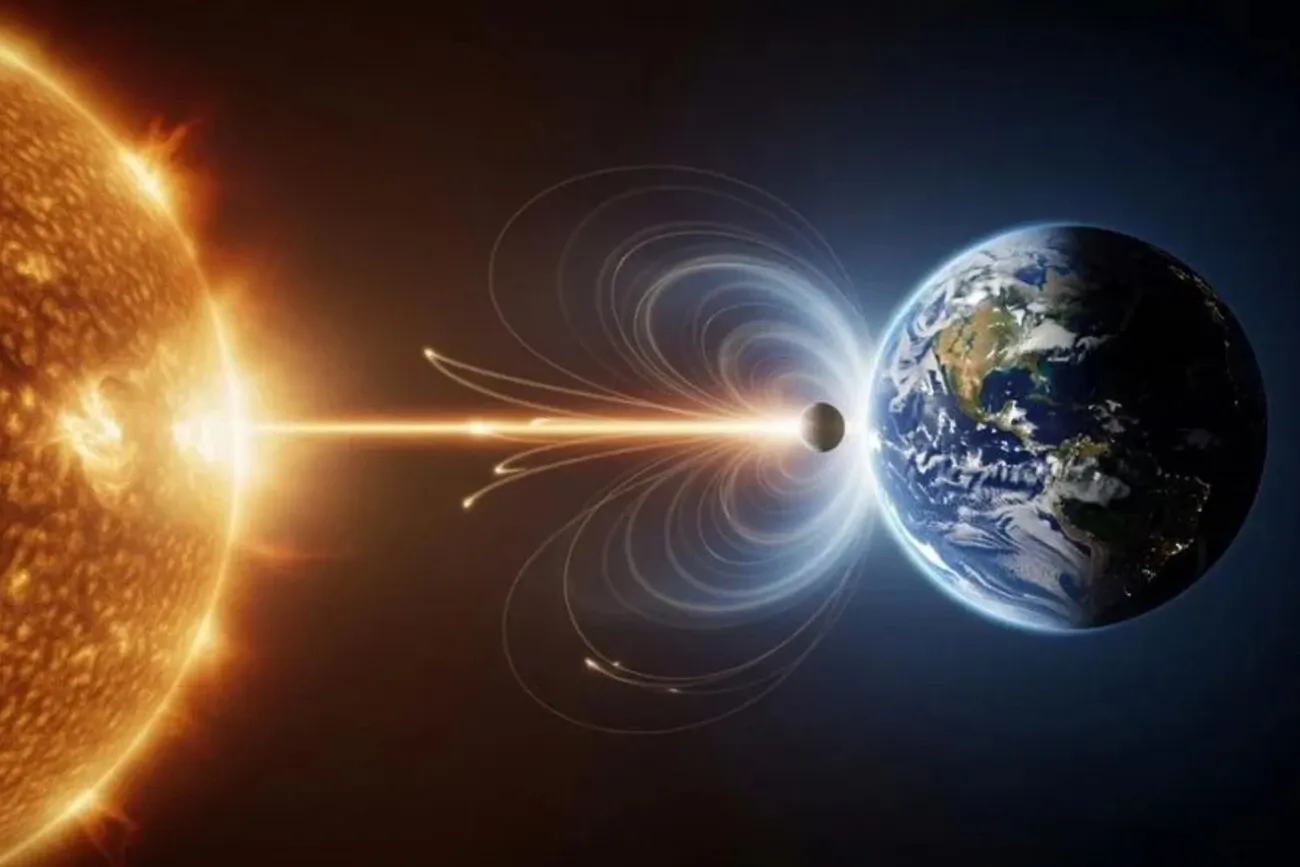
Increased geomagnetic activity is expected on Earth on 17 March. According to the British Geological Survey, active intervals and episodes of a weak G1-level magnetic storm are possible during the first forecast period.
Experts attribute this to the prolonged but gradually weakening influence of a coronal hole. It is precisely this factor that is keeping the Earth’s geomagnetic field somewhat disturbed.
Furthermore, scientists do not rule out a possible additional impact on Earth due to coronal mass ejections that occurred on 13 and 15 March. The British Geological Survey explicitly states that their associated effects cannot be completely ruled out.
Meanwhile, NOAA reported an R1-class solar flare that occurred on 16 March, and also issued a separate warning about potentially stronger geomagnetic activity as early as 19 March due to the arrival of new solar emissions. This means that space weather will remain unstable in the coming days.
G1-class magnetic storms are considered weak, yet even these can affect the well-being of weather-sensitive individuals. On such days, some people complain of headaches, fatigue, fluctuations in blood pressure, irritability or sleep problems. These are common symptoms that are often warned about during periods of heightened geomagnetic activity.
During periods of magnetic activity, experts advise getting plenty of rest, avoiding severe stress and physical overexertion, drinking plenty of water, spending more time outdoors and following a lighter diet. People with chronic cardiovascular conditions are advised to monitor their condition more closely and not to miss their prescribed medication.