Magnetic storms on 3–4 April 2026: what will solar activity be like?

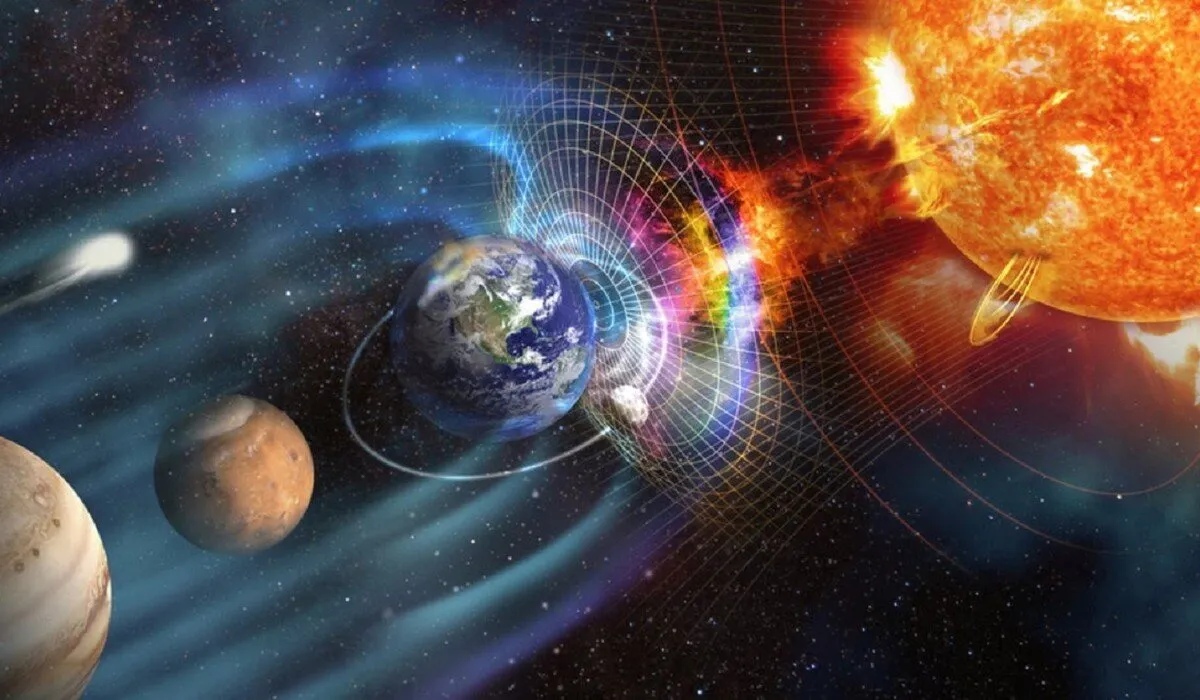
This forecast is based on data from the NOAA Space Weather Prediction Centre.
On Friday, 3 April, solar activity will remain high. NOAA forecasts that the Kp index will fluctuate throughout the day, with a maximum value of 5.67. This is already a magnetic storm level, which can affect the well-being of weather-sensitive people.
On Saturday, 4 April, the geomagnetic situation may become even more intense. According to the latest forecast, the Kp index will rise to 6.00 in some areas. The day before, NOAA also issued a G2-level storm warning for 3–4 April due to the influence of a coronal hole and a coronal mass ejection.
Magnetic storm forecasts remain short-term and may change several times a day. The SWPC emphasises that 3-hour Kp values are updated regularly, so figures may be revised throughout the day.
A magnetic storm occurs following solar flares and ejection of charged particles, which reach Earth’s magnetosphere and disrupt it. To assess the strength of such phenomena, the planetary Kp index is used on a scale from 0 to 9. Values from 1 to 4 are considered weak or moderate fluctuations, whilst a reading of 5 or higher indicates a geomagnetic storm.
During such disturbances, some people may experience headaches, fatigue, irritability or stress. On days of heightened solar activity, it is usually advised to stick to your usual sleep routine, avoid overexertion, drink more water, limit alcohol, fatty and overly salty foods, reduce coffee intake, spend more time outdoors and avoid conflicts. People with chronic conditions should monitor their well-being more closely and keep necessary medication to hand.
As a reminder, WhatsApp reported that around 200 users fell victim to a targeted attack via a fake iPhone app, which masqueraded as the official messenger client and contained spyware. The company clarified that most of the victims are in Italy.