Magnetic storms on 6 April 2026: what will solar activity be like on Monday?

This was reported by Meteoagent.
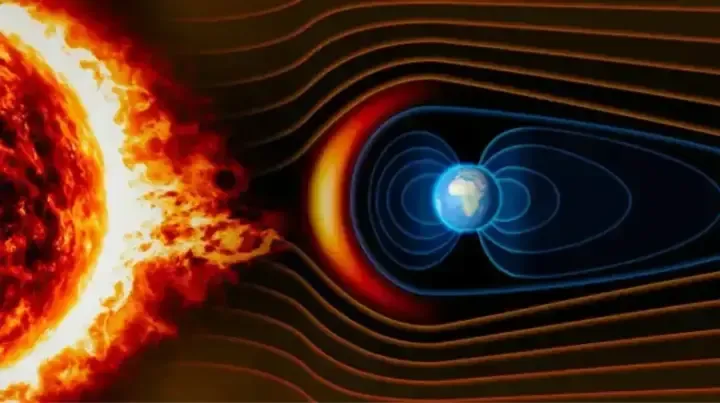
Stable space weather with no significant geomagnetic disturbances is forecast for 6 April. According to preliminary data, the Earth’s magnetic field will remain relatively calm, so no noticeable impact on the well-being of most people is expected.
Solar activity on Monday is forecast to be at a K-index of 3. This corresponds to the ‘green level’ and indicates weak magnetic fluctuations, which are usually barely noticeable.
Geomagnetic activity is assessed on a nine-point scale. If the K-index rises to 5 or higher, this indicates a strong magnetic storm. The current forecast level of 3 is considered calm and poses no serious risks to the majority of the population.
What you need to know about the forecast
Experts remind us that data on solar activity is updated every three hours. Because of this, the forecast may change throughout the day, so people with chronic conditions should keep a closer eye on updates.
Weather sensitivity is not a separate illness, but for some people, changes in the weather and geomagnetic fluctuations can cause unpleasant symptoms. These most commonly include sleep disturbances, fatigue, reduced concentration, irritability or headaches.
The elderly are considered to be the most sensitive to such fluctuations, as are those with chronic conditions, particularly of the cardiovascular system. At the same time, most people do not feel a significant impact from magnetic storms, as the body is adapted to natural changes in solar activity.
To cope better with periods of geomagnetic fluctuations, it is advised to stick to your usual sleep routine, drink plenty of water, eat a balanced diet, get plenty of rest, and spend at least half an hour outdoors every day. Showers or other water treatments are also considered beneficial, as they help the body cope better with temperature changes.
As a reminder, a new study has shown a link between the use of tobacco and cannabis and a reduced volume of certain areas of the brain. Against this backdrop, Ukraine continues to see high levels of daily smoking among young people, with e-cigarettes being particularly widespread.