NASA has released new images from Artemis II showing the far side of the Moon

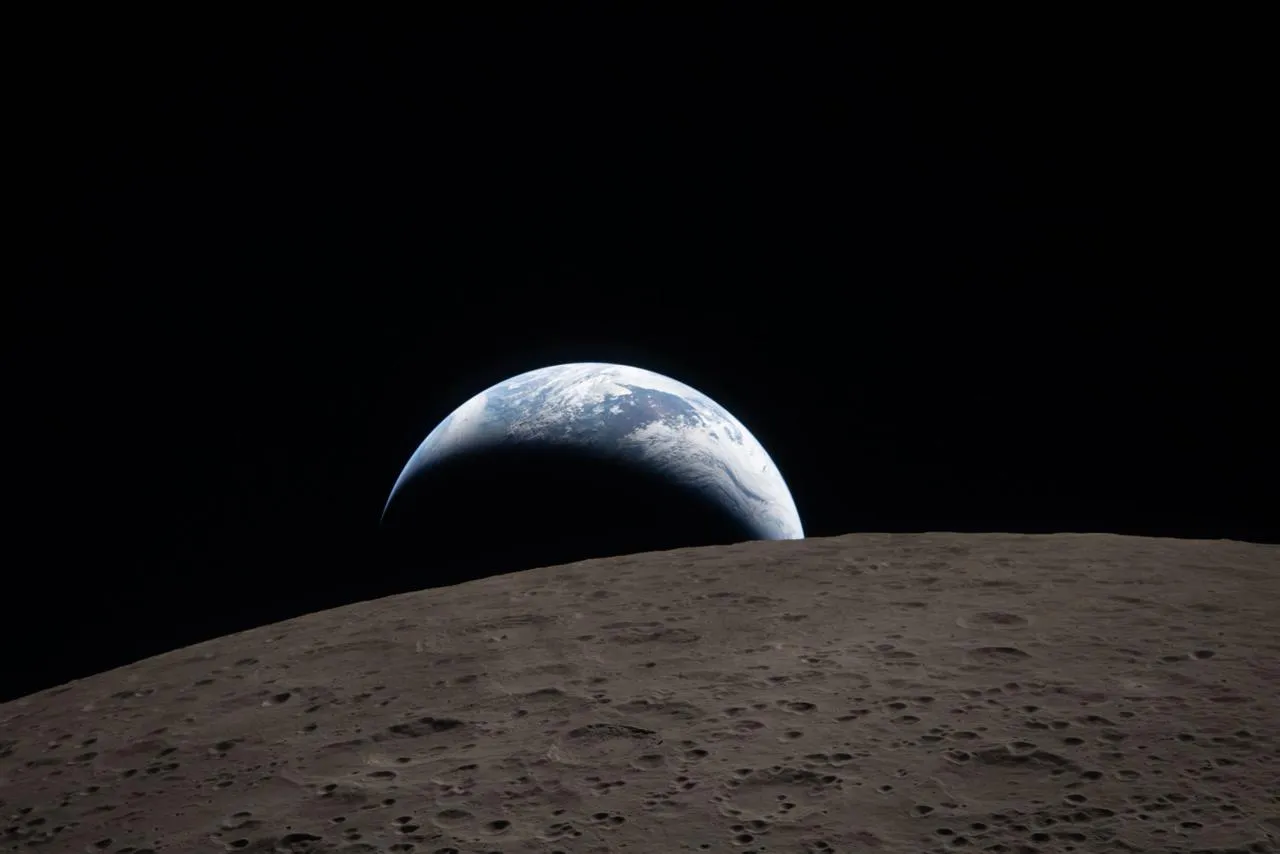
This has been reported by CNN.
The Artemis II crew, comprising Reid Wiseman, Victor Glover, Christina Koch and Jeremy Hansen, flew over the far side of the Moon and reached a maximum distance from Earth of 252,756 miles, or 406,773 km. This is a new record for a manned flight: the previous one had stood since the days of Apollo 13.
During the passage behind the Moon, contact with the Orion spacecraft was lost for approximately 40 minutes. This occurred due to the loss of direct radio visibility with Earth. Upon emerging onto the illuminated side of the Moon, contact with the crew was re-established.
It was at this very moment that the astronauts witnessed an effect reminiscent of the legendary 1968 Apollo 8 image — the Earth appeared to be ‘setting’ behind the lunar horizon. The new image is already being compared to the historic ‘Earthrise’, although this time the Earth reappears in the field of view.
Separately, NASA released a photo of the solar eclipse that the crew observed from space during the lunar flyby. According to the US agency, the astronauts also spent hours photographing craters, ridges, lava fields and features on the far side of the Moon that had not previously been seen from this angle by Apollo crews.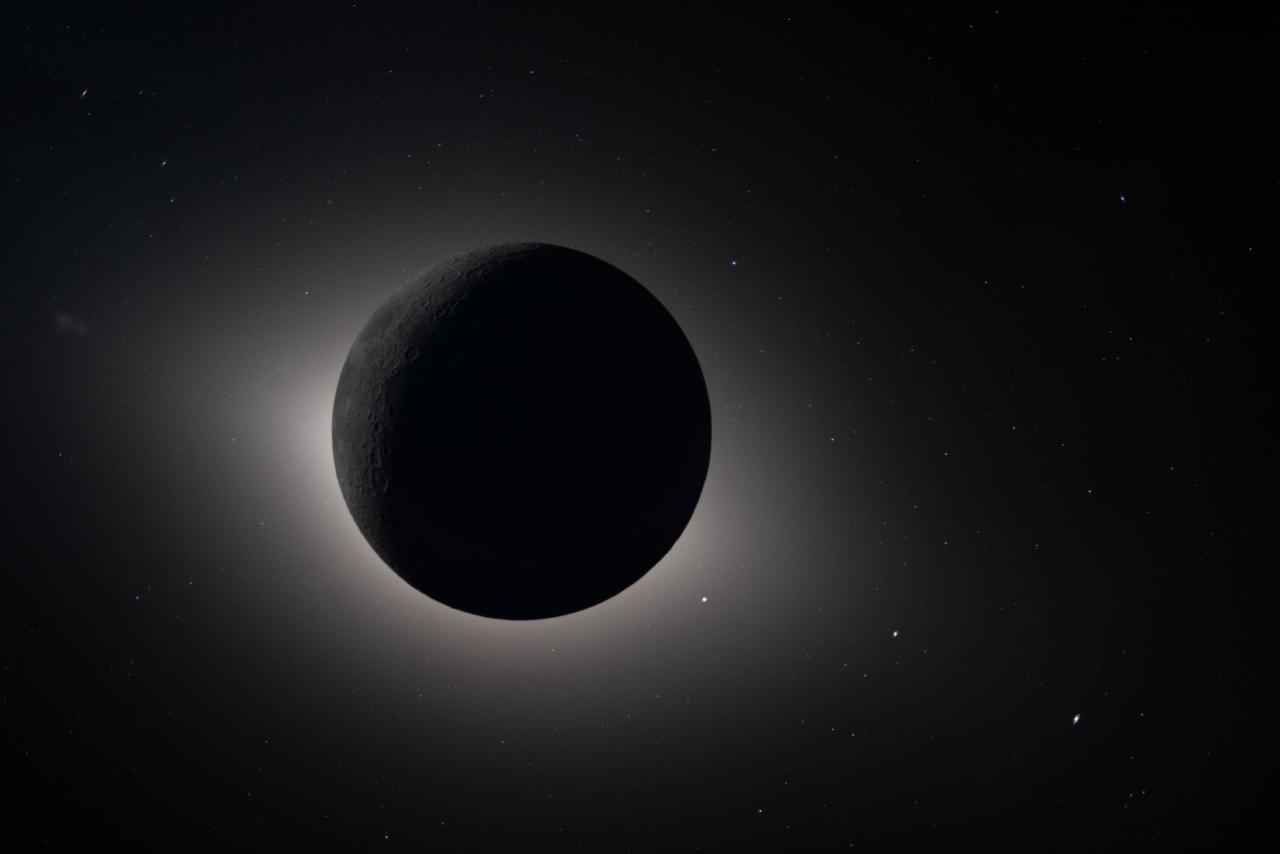
NASA notes that these images and visual observations could provide researchers with new data on the Moon’s formation and the early history of the Solar System. The crew relayed their impressions and descriptions of the surface in real time to mission control in Houston.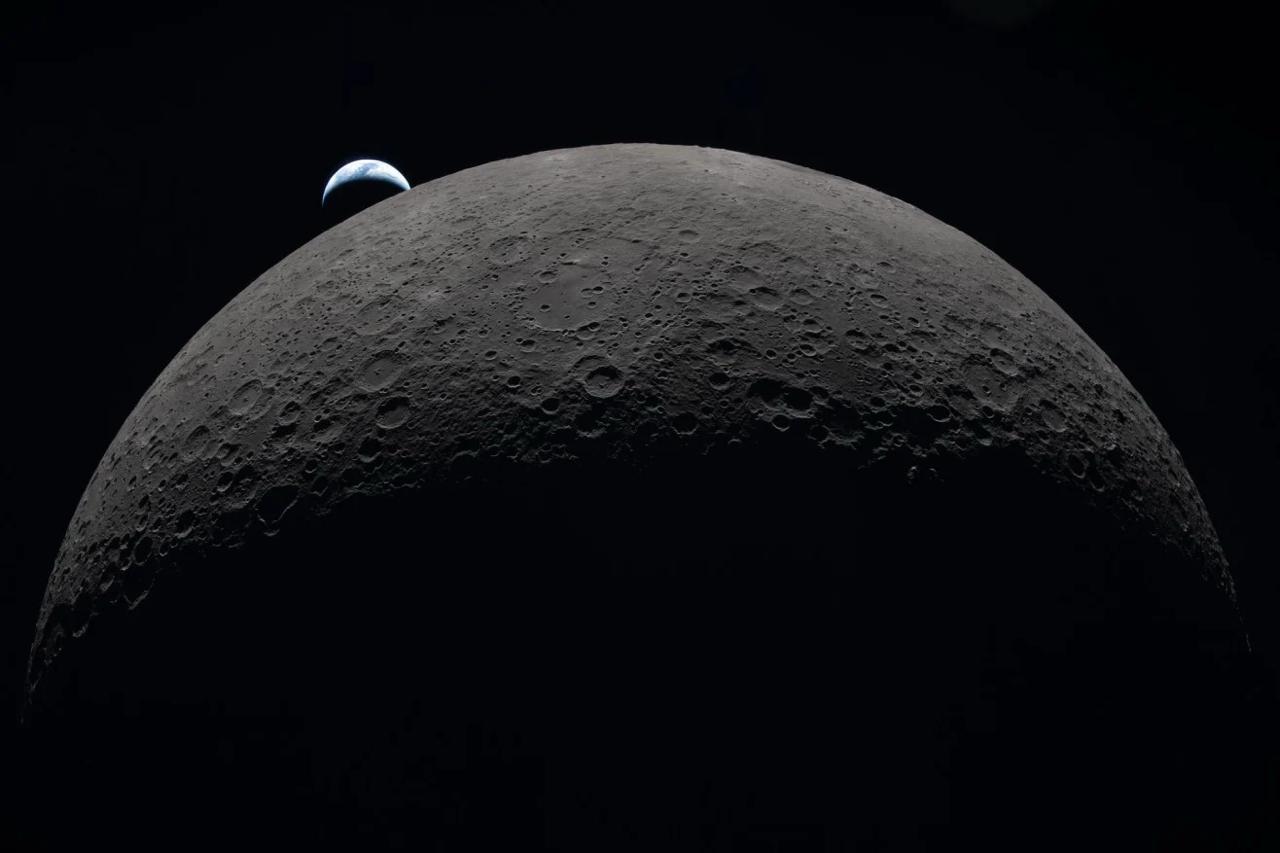
The Artemis II mission was the first crewed expedition to lunar space since the Apollo era. It was launched on 1 April from the Kennedy Space Centre, and the flight itself is a key stage in NASA’s programme to return humans to the Moon.
It is worth noting that NASA has sent a crewed mission to fly around the Moon for the first time in over half a century. The Artemis II crew consists of four astronauts, who are set to fly around the Moon and return in around 10 days.