The UAE is considering taking part in a military operation to open the Strait of Hormuz

The United Arab Emirates is preparing to assist the US and other allies in reopening the Strait of Hormuz by force following Iran’s attacks on the country’s territory. According to Arab officials, this could make the UAE the first Gulf state to become directly involved in combat operations, reports the WSJ.
The UAE is promoting the idea of a UN Security Council resolution that would authorise the use of force to reopen the strait. The country’s diplomats have also called on the US and the military powers of Europe and Asia to form a coalition to carry out such an operation.
The country is considering possible formats for military participation, including assistance with clearing the strait of mines and other forms of support. Furthermore, according to sources, the UAE has proposed that the US establish control over islands in the strategic area, including Abu Musa, which is under Iranian control.
The UAE Ministry of Foreign Affairs stated that there is broad international consensus on the need to preserve freedom of navigation in the Strait of Hormuz. It also cited UN resolutions condemning Iran’s attacks and the blockage of the waterway.
Other countries in the region, notably Saudi Arabia, according to Arab officials, oppose Iran and want the war to continue, but have not yet declared their readiness for direct military involvement. Bahrain, a US ally and host to the Fifth Fleet, has sponsored a UN resolution, a vote on which is expected on Thursday.
The UAE’s position marks a shift from its previous approach. Previously, the country had sought to act as a mediator between the US and Iran. Prior to the outbreak of war, Iranian representatives, including Ali Larijani, visited Abu Dhabi as part of these efforts.
After hostilities began on 28 February, the country’s stance changed. According to officials, Iran began striking civilian infrastructure, including hotels and airports in Dubai.
Iran has intensified its attacks on UAE territory. In recent days, there has been a sharp increase in strikes, including nearly 50 ballistic and cruise missiles and drones in a single day. In total, Iran has carried out nearly 2,500 strikes on the UAE, more than on any other country.
Tehran has stated that it will strike at the critical infrastructure of any Gulf state that supports military operations against it.
The attacks have impacted the UAE’s economy. Air traffic and tourist numbers have fallen, the property market has suffered, and there have been staff cuts and unpaid leave. The authorities have also introduced financial restrictions, including a ban on the entry and transit of Iranian citizens via Emirates airline, and have closed the Iranian Hospital and the Iranian Club in Dubai.
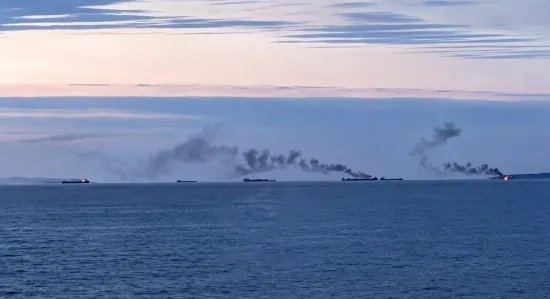
The UAE considers the opening of the Strait of Hormuz to be key to ensuring energy exports, shipping and food supplies. According to officials, European and Asian countries may join the operation if a UN Security Council mandate is in place.
At the same time, there is a risk that Russia or China could block the resolution. France has proposed an alternative version of the document. Even in the absence of a UN decision, the UAE is prepared to consider participating in military action.
Military experts note that opening the strait will require control not only over the waterway but also over the surrounding territories stretching for around 100 miles.
US House of Representatives member Adam Smith stated that keeping the strait open would be difficult, as Iran has sufficient limited means to pose a threat.
The UAE possesses military infrastructure, including the port of Jebel Ali, airbases and locations near the strait that could be utilised for operations. The country also has an air force equipped with F-16 fighter jets, drones and stockpiles of weaponry.
According to analysts, the UAE’s involvement could signal support for the war from Arab countries and expand the scope for operations in the region.