Negotiations as a tool of pressure: ISW explains the Kremlin's demands regarding Donetsk Oblast

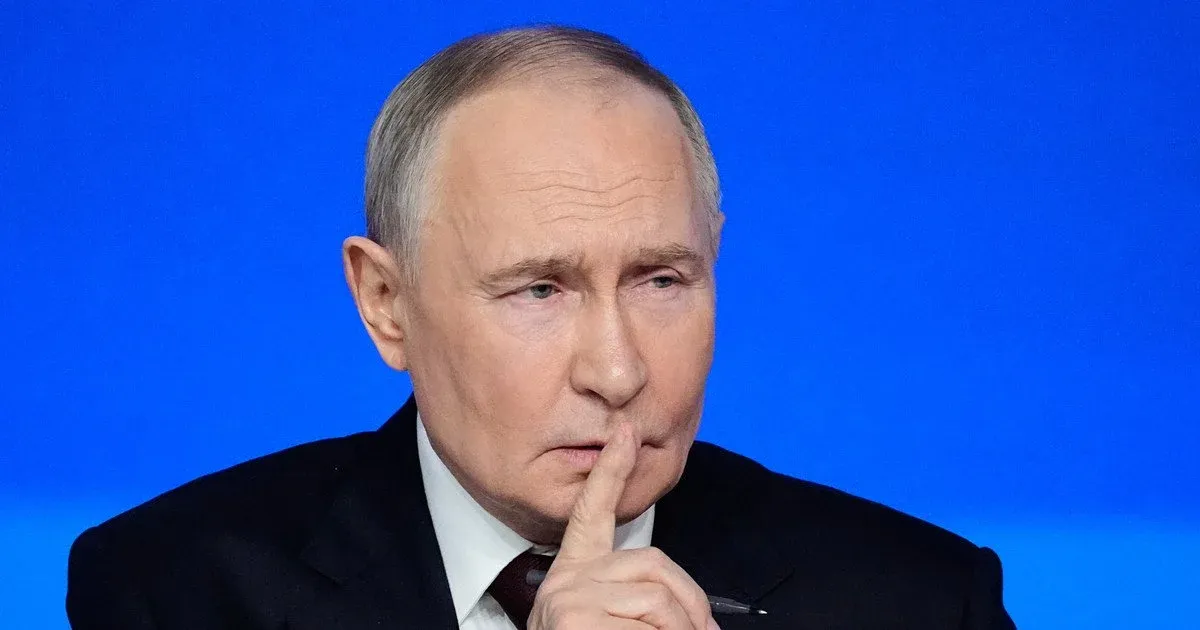
The Russian Federation is trying to create the impression that it is ready for negotiations, while insisting on gaining control over the entire Donetsk region through diplomatic means. This is stated in a new report by the Institute for the Study of War (ISW).
ISW analysts refer to information from Bloomberg, according to which Moscow does not expect a significant breakthrough in the current negotiations. According to the publication's sources, Russian and Ukrainian military delegations discussed the technical aspects of a potential ceasefire but concluded that territorial issues can only be resolved at the political leadership level.
The report notes that Russian President Vladimir Putin considers Ukraine's concession of the entire Donetsk and Luhansk regions, as well as the freezing of the current front line in the Zaporizhzhia and Kherson regions, to be a "compromise." At the same time, the ISW emphasises that Russian troops still do not fully control any of these four regions.
American experts point out that Russian officials have repeatedly made maximalist demands, insisting on the transfer of the entire territory of Donetsk, Luhansk, Zaporizhzhia, and Kherson regions to Ukraine. At the same time, the Kremlin has rejected both the 28-point American plan and the idea of creating a demilitarised or "free economic zone" in the unoccupied part of Donetsk Oblast.
According to the ISW, Russia may deliberately present the freezing of the front in southern Ukraine as a "concession" in order to disrupt possible agreements between Kyiv and Washington on alternative formats for a settlement in Donetsk Oblast. Analysts believe that the Kremlin will continue to try to present Ukraine's complete withdrawal from Donetsk Oblast as a moderate position, ultimately seeking decisions that are strategically disadvantageous for Ukraine.
The ISW emphasises that handing over the rest of Donbas to Russia would be a strategic mistake. In their opinion, Moscow is unlikely to be able to quickly capture these territories by military means, but if concessions are made, it will obtain much more favourable conditions for resuming aggression against Ukraine in the future.
In addition, analysts note that the Kremlin continues to use issues not formally related to the war as a tool to pressure the United States. As an example, they cite a recent interview with Russian Foreign Minister Sergey Lavrov, in which he spoke of the need to develop bilateral economic and trade projects between Russia and the United States and accused Europe of trying to "drive a wedge" between the two countries.
The ISW believes that such statements are aimed at using the prospects of economic cooperation or strategic arms negotiations to encourage the Donald Trump administration to make concessions to Russia on the issue of Ukraine, in particular, to limit the participation of European partners in the peace process.
ISW, negotiations with Russia, Donetsk region, Kremlin demands, war in Ukraine.