Five scenarios for how Donald Trump might influence NATO

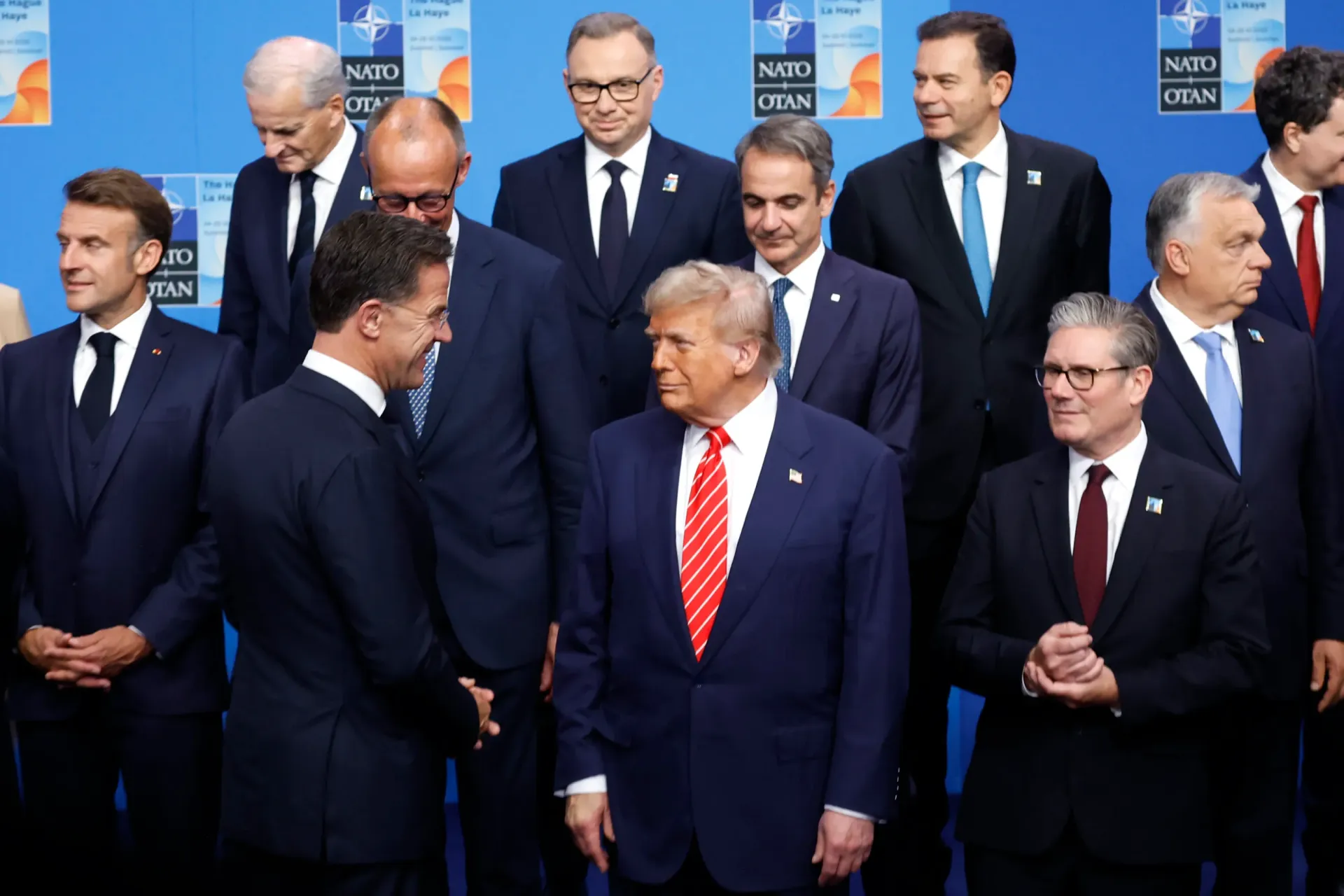
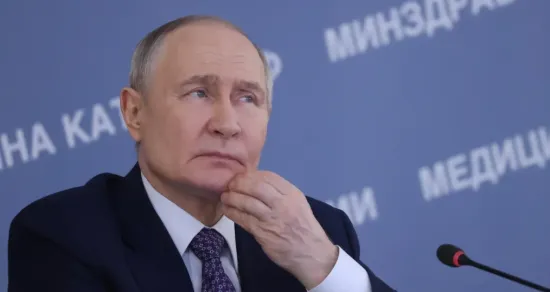
Discussions are underway in Brussels regarding Donald Trump’s increased pressure on NATO. The US President has stated that he is ‘absolutely’ considering withdrawing from the alliance following the allies’ refusal to support a war against Iran, according to Politico.
Despite these statements, he has not taken any concrete steps towards withdrawal, which requires congressional approval. Meanwhile, experts, lawyers and NATO representatives have outlined five possible scenarios for US action.
Escalating rhetoric
One option involves further intensifying criticism of the alliance. Trump has already called into question the principle of collective defence, known as Article 5, and described NATO as a “paper tiger”.
French President Emmanuel Macron has emphasised that the value of the alliance is based on trust. Security expert Gerlinda Nihus noted that such statements undermine NATO’s deterrent potential, as they influence the perception of adversaries.
The likelihood of this scenario is assessed as high.
Creating obstacles within the alliance
The US may complicate NATO’s work by exploiting the unanimity rule. According to diplomats, Washington has already blocked certain documents, particularly those concerning climate and human security.
It is also possible that the US might refuse to contribute to the common budget or put pressure on allies to increase defence spending. One option envisages a model in which countries without sufficient funding would have no influence on decisions.
The likelihood of such a scenario is assessed as moderate.
Withdrawal of US troops
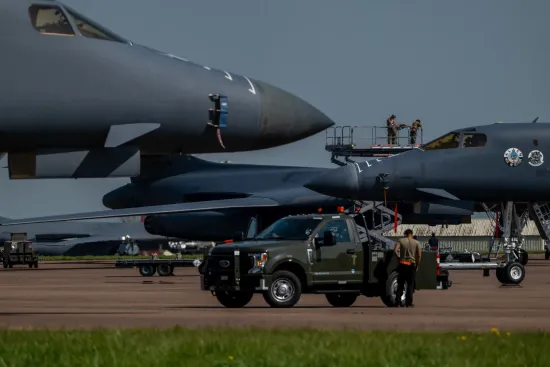
The US may reduce its military presence in Europe. Currently, there are between 67,500 and 85,000 troops stationed at over 30 bases.
The 2025 Act restricts such actions, allowing only a partial withdrawal of troops without congressional approval. Experts believe that even a partial reduction would be noticeable but not critical, as allies could make up for these forces.
The likelihood of this scenario is assessed as low.
Informal withdrawal
The US could distance itself from NATO without formally withdrawing. This would involve refusing to participate in military planning or boycotting meetings.
Such a move could paralyse the alliance’s operations, as decisions are taken unanimously. A historical example is France’s withdrawal from NATO’s integrated command in 1966.
Experts note that this would have serious consequences for the alliance, but at present the allies do not consider this scenario to be relevant.
The likelihood is assessed as low.
Full withdrawal from NATO
An official US withdrawal requires the support of two-thirds of the Senate or a decision by Congress, after which a one-year procedure is initiated.
At the same time, the president may attempt to act unilaterally, as has already been the case with other international agreements. In such a scenario, legal challenges and political confrontation are possible.
NATO representatives stress that it is difficult to imagine the alliance without US participation, and urge consideration of the consequences of such decisions.
The likelihood of this scenario is considered to be very low.