Rules for using electricity at the State Emergency Service's Points of Resilience

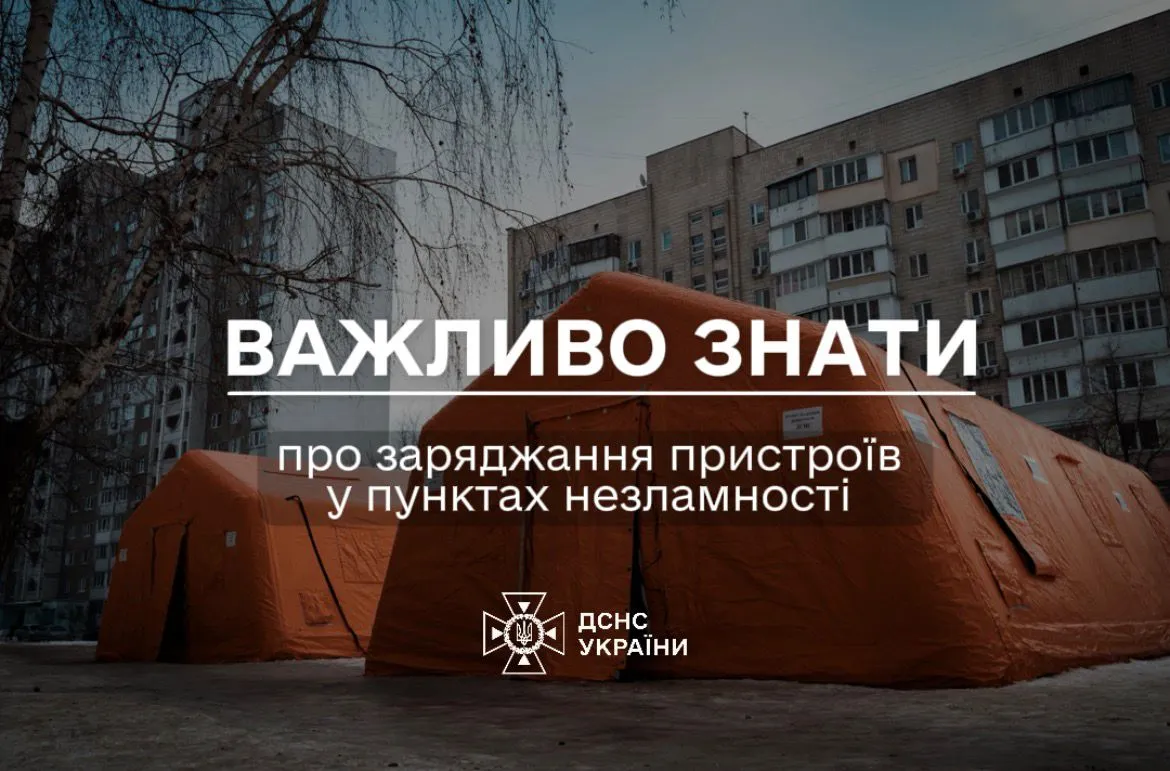
The emergency centres set up by the State Emergency Service continue to operate throughout the country, providing citizens with the opportunity to warm up, contact their loved ones and recharge their devices. At the same time, due to the limited resources of generators, the centres have clear priorities for the use of electricity.
First and foremost, electricity is directed towards charging mobile phones, power banks and flashlights — this allows us to help the largest number of people at the same time. These devices are considered critical in the absence of electricity.
Regarding the charging of powerful portable power stations (in particular, the EcoFlow type), decisions are made individually at each station. This depends on the technical capabilities of the generator or other backup power sources. The final decision rests with the person in charge on site.
The State Emergency Service explains that large charging stations with a capacity of 1–1.2 kW and above can overload the generator. In this case, there is a risk that all visitors to the point will be unable to charge their basic gadgets.
There is currently no separate regulatory document that sets clear limits on the power of devices in watts. Therefore, staff on duty assess the situation directly on site, based on the actual capabilities of the equipment and the needs of the people.
The Ministry of Internal Affairs of Ukraine also reminds that citizens can use other basic services at the State Emergency Service's mobile resilience centres, including heating and communication.
Resilience centres, State Emergency Service, power cuts, Ministry of Internal Affairs, emergency situation, war