Russia has banned the export of diesel fuel and is starting to import petrol

Russia introduced a ban on diesel fuel exports on 8 July. Deputy Prime Minister Alexander Novak announced this during a meeting with Russian President Vladimir Putin.
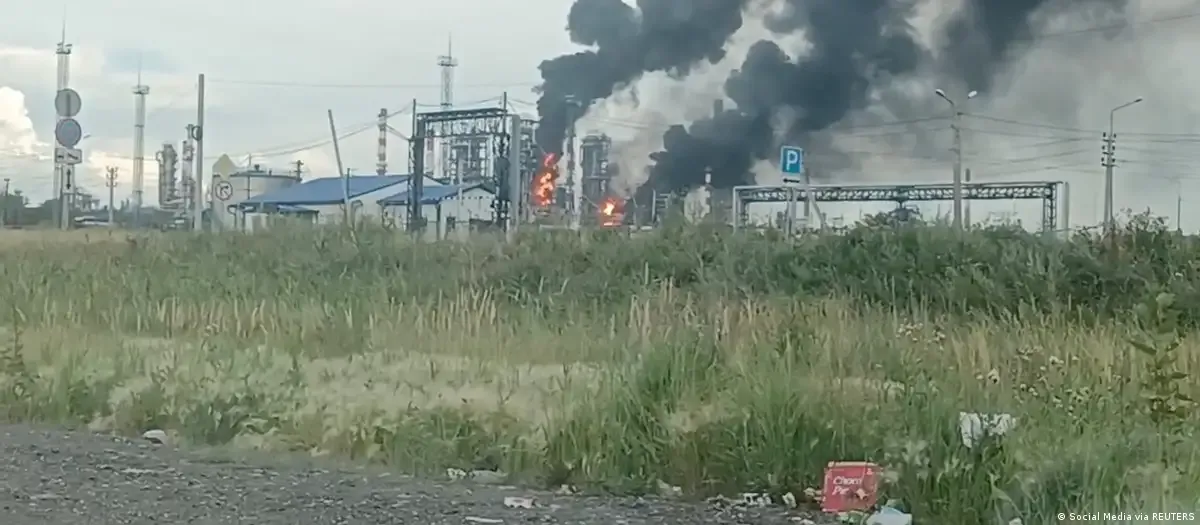
According to Novak, the situation on the fuel market “remains challenging”. He stated that a number of oil refineries had been damaged by attacks on infrastructure, resulting in a temporary reduction in the production of motor petrol, whilst demand for fuel had risen by about a third.
In addition to the ban on diesel exports, Russia is set to begin importing petroleum products, including petrol, in July. To this end, the government has introduced a scheme offering discounts on rail freight rates and has extended the zero duty on imports of petroleum products and additives for a further year. Furthermore, according to Novak, there are plans to increase fuel production using lower-environmental-class petroleum products.
As reported by Reuters, the ban on diesel exports will remain in place until 31 July and will also apply to fuel producers.
The fuel crisis in Russia has been ongoing since the end of May against the backdrop of massive strikes on oil infrastructure. According to sources, all ten of the country’s largest oil refineries have come under attack. In particular, on 7 July, it was reported that the Omsk oil refinery had been shut down following a drone attack. According to the Ukrainian side, this strike set a record for range and targeted a facility located approximately 2,500 kilometres from Ukraine’s state border.
There were also reports of strikes on an oil refinery in Saratov, the TAIF NK plant in Nizhnekamsk and tankers belonging to Russia’s shadow fleet.
According to estimates by BKS analysts, Russia produces around 90 million tonnes of diesel fuel annually, of which approximately 40 per cent is exported. Domestic consumption stands at around 52 million tonnes.
Following a series of attacks on oil refineries, diesel, like petrol, has begun to rise in price at petrol stations. Representatives from agricultural regions are also reporting a shortage of diesel during the harvest season. Reuters industry sources noted that diesel production has fallen to roughly the level of domestic consumption.
According to Energy Intelligence, oil refining volumes in Russia fell by 25 per cent year-on-year in June to 3.91 million barrels per day, the lowest figure in over 20 years.
An oil industry source told the Kommersant newspaper that it is unlikely that the utilisation rates of Russian oil refineries will increase significantly in the near future. According to the source, in the best-case scenario, refining volumes will remain at June’s level, provided there are no further attacks on the facilities.
Economist Kirill Rodionov noted that a prolonged ban on diesel exports could have a negative impact on oil production, as diesel is one of the most profitable petroleum products for export. At the same time, he suggested that this ban is unlikely to last as long as the restrictions on petrol exports.