Saudi Arabia has ramped up production to full capacity on the pipeline bypassing the Strait of Hormuz

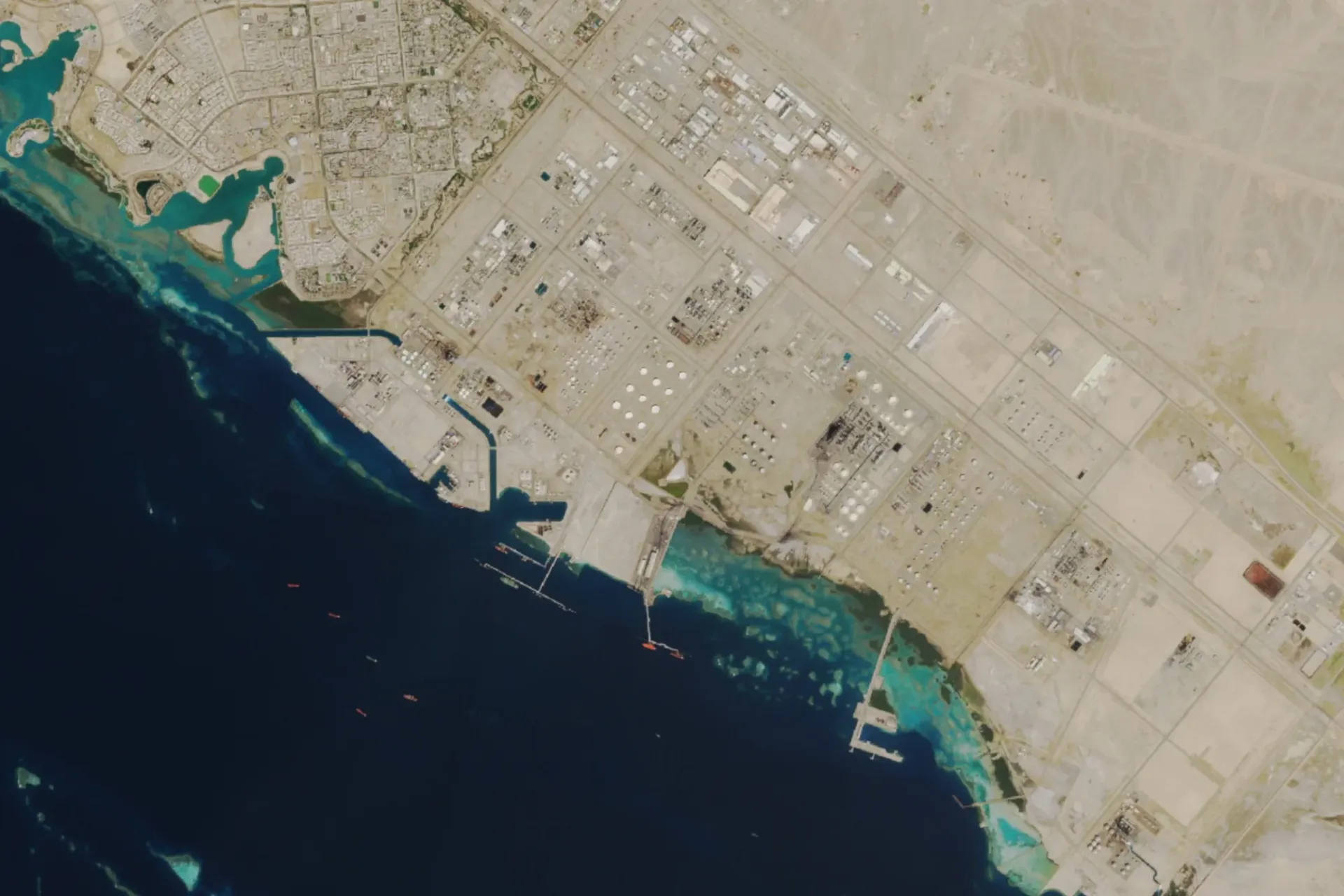
Saudi Arabia has ramped up oil flows through the East-West pipeline to its maximum capacity of 7 million barrels per day. This route allows oil to bypass the Strait of Hormuz, which remains virtually blocked, according to Bloomberg.
Tankers have been redirected to the port of Yanbu on the Red Sea coast, where oil is being shipped. The country is maintaining supplies to global markets via this route.
Crude oil exports via Yanbu have reached around 5 million barrels per day. In addition, Saudi Arabia exports between 700,000 and 900,000 barrels per day of petroleum products. Of the total volume of 7 million barrels, approximately 2 million are directed to domestic refineries.
Despite this, the new route only partially compensates for the supply losses associated with the effective closure of the Strait of Hormuz. Before the war began, around 15 million barrels of oil passed through it daily.
At the same time, the availability of an alternative route is holding back the rise in oil prices and preventing them from reaching the levels seen in previous crises.
Market concerns are fuelled by the potential escalation of the conflict. The Houthi group in Yemen has declared its entry into the war. Previously, they had threatened shipping in the Red Sea and the Bab el-Mandeb Strait, using drones and missiles.
The pipeline runs through Saudi Arabia from oil fields in the east of the country to the industrial port of Yanbu and is over 1,000 kilometres long. It was built following the conflicts of the 1980s, when ships in the Strait of Hormuz were under attack.
Saudi Arabia had been preparing in advance for a scenario in which the strait might be closed. Following the start of US and Israeli strikes against Iran, the country swiftly brought this route into use and gradually increased the volume of shipments.