The SSU has uncovered a scheme to evade mobilisation involving medical staff in Cherkasy

The Security Service of Ukraine has uncovered a large-scale scheme to evade mobilisation in Cherkasy, in which local medical staff were involved.
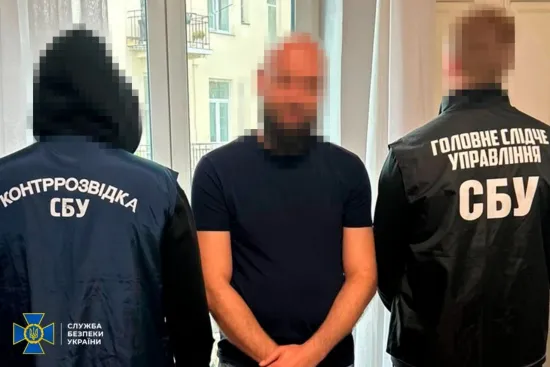
According to the investigation, the scheme was organised by the head of the regional branch of a nationwide medical company. He recruited six other doctors of various specialities and ambulance staff to take part in the illegal activity.
It has been established that, for a sum of US$4,000, those liable for military service were offered fictitious inpatient treatment and medical certificates stating poor health.
To this end, a sham hospitalisation was arranged by calling the 103 emergency line. The involved ambulance staff would arrive at the scene and formally document the patient’s admission to the medical facility.
Afterwards, doctors in the relevant departments falsified the results of tests and examinations, compiling a set of documents indicating the presence of serious illnesses.
These documents were subsequently used to secure a status of unfitness for military service.
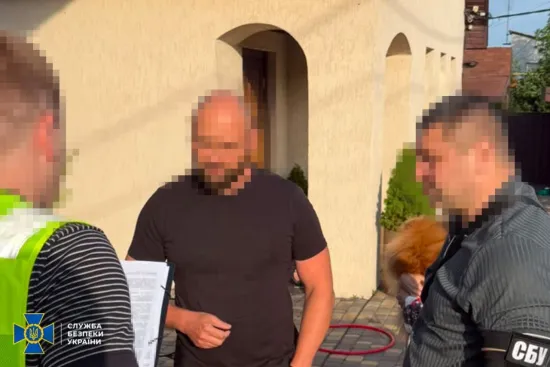
The organiser of the scheme was arrested whilst receiving part of the illicit benefit from a client.
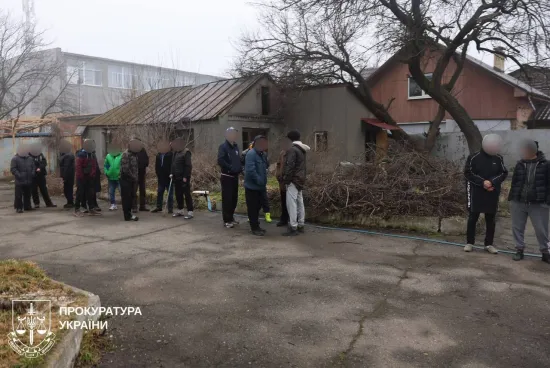
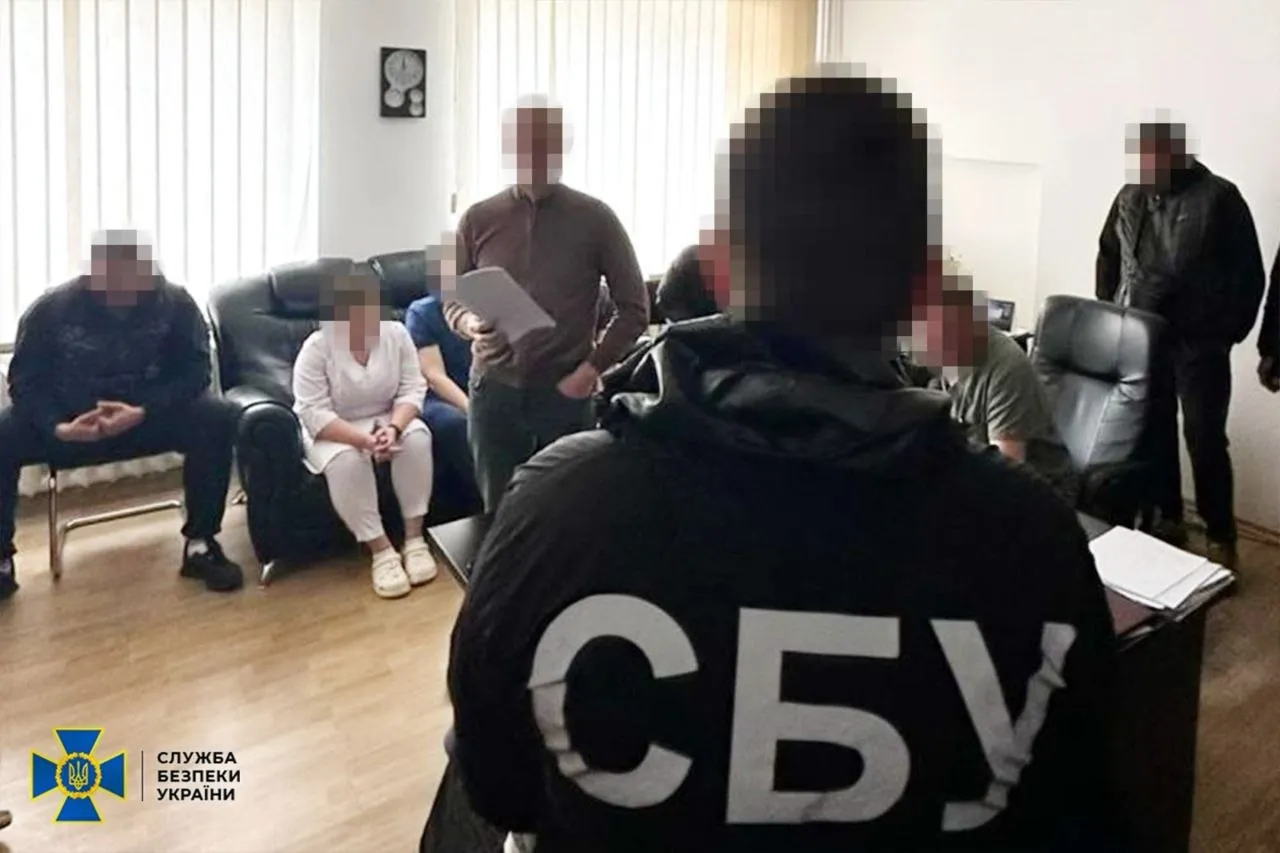
During searches of the participants’ workplaces and homes, draft records, medical documentation and mobile phones containing evidence of unlawful activity were seized.
Investigators from the Security Service informed all participants in the scheme that they were suspected of offences under several articles of the Criminal Code of Ukraine, in particular regarding obstruction of the activities of the Armed Forces of Ukraine, abuse of influence and forgery of documents.
Two of the suspects are in custody. The issue of imposing a preventive measure on the other participants is under consideration.
Under the charges brought against them, the suspects face up to eight years’ imprisonment with confiscation of property.
The operational measures were carried out by SSU officers in the Cherkasy region under the procedural guidance of the regional prosecutor’s office.