What was stolen from the Louvre and why won't the thieves be able to sell the jewelry?

As already reportedThePublic.info, the Louvre robbery occurred on a Sunday morning after the museum opened.
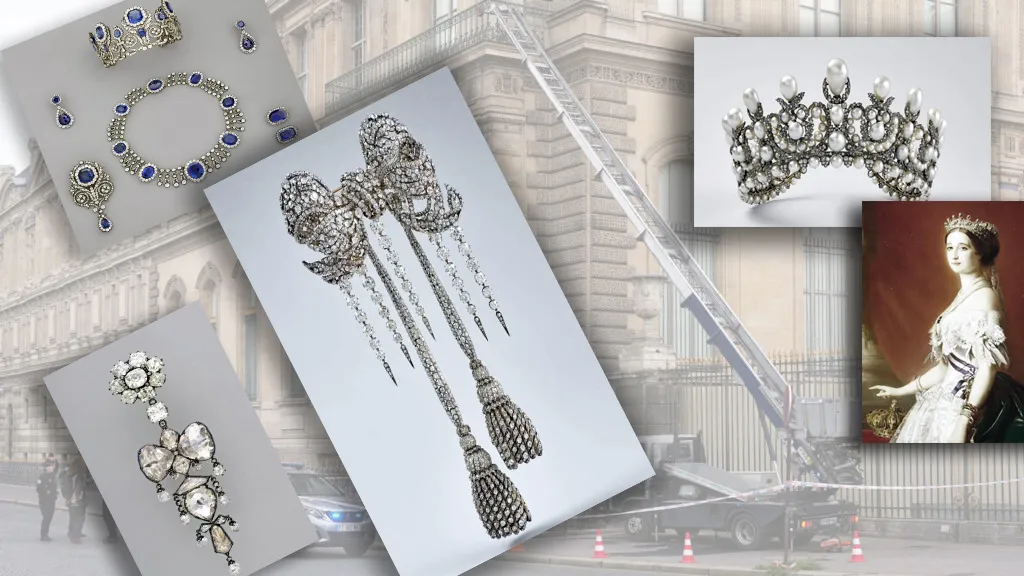
The criminals took advantage of repair works being carried out along the Seine embankment: under the guise of workers on a lift, they reached the second floor of the museum, broke a window, and entered the Apollo gallery, where jewelry was stored, reports RFI (Radio France Internationale). Within minutes, they shattered display cases, took jewelry, and escaped on two scooters.
«Without violence, very professionally», — commented the museum's video footage review by Minister of Culture Rachida Dati. An examination is currently underway, so the museum is closed to visitors.
The French daily newspaper Le Parisien, citing the police, reported that the suspects were hooded and had "small chainsaws" with them.
In total, the criminals stole nine items, which, according to French authorities, have «invaluable cultural significance». However, shortly after the incident near the Louvre, one of the relics was found — the criminals, during their escape, lost the Empress Eugénie’s crown, wife of Napoleon III, encrusted with 1354 diamonds and 56 emeralds. Unfortunately, it is damaged.
What artifacts did the criminals leave behind? The French Ministry of Culture published a list of stolen valuables:
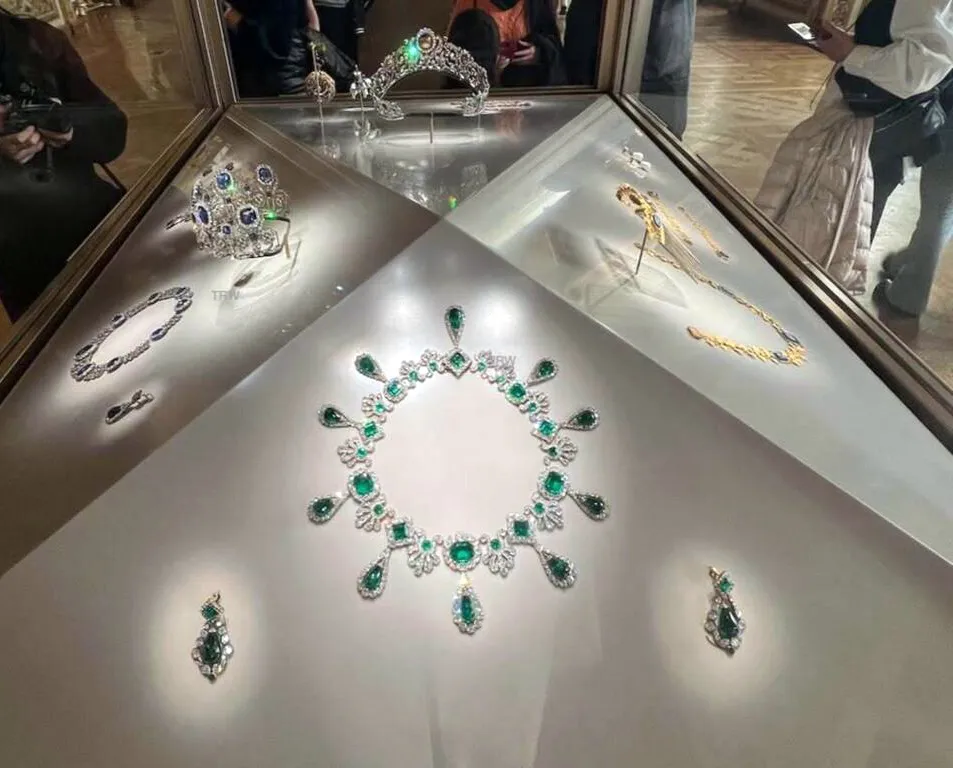
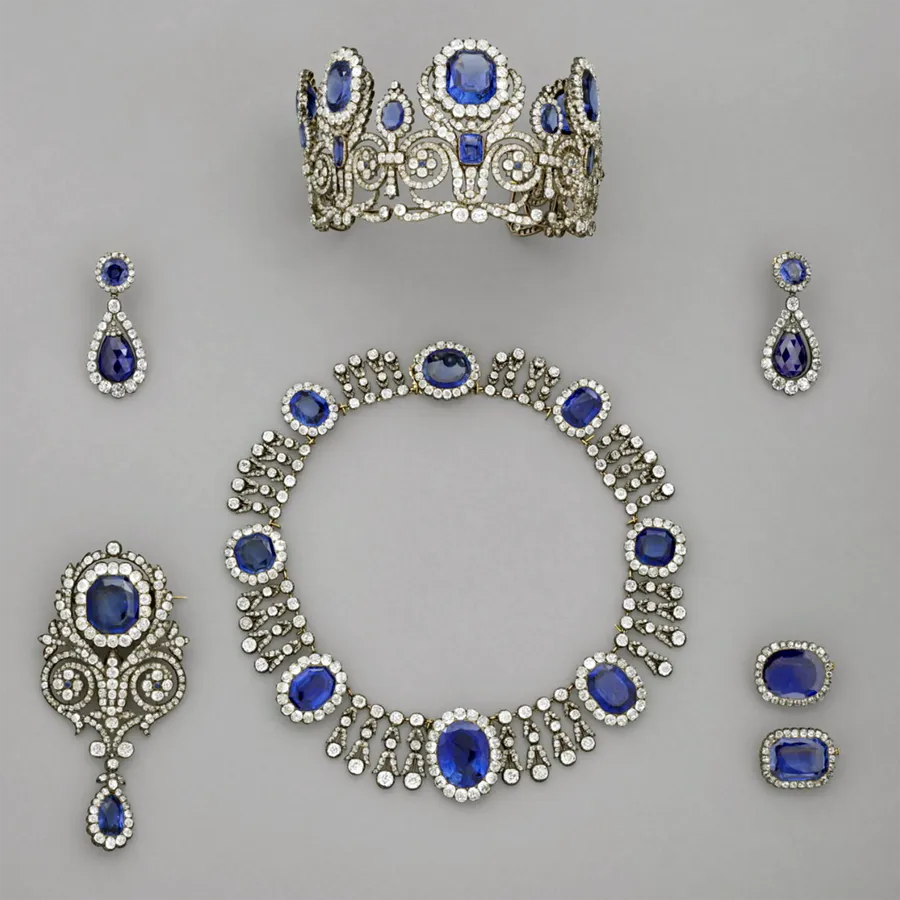
- The tiara from the Maria-Amélie set, the last Queen of France (wife of Louis-Philippe I, who reigned from 1830 to 1848), and Hortense de Beauharnais (mother of Napoleon III).
- A necklace from the sapphire set of Queen Maria-Amélie and Queen Hortense. According to the Louvre website, the necklace consists of eight sapphires and 631 diamonds.
- An earring from the pair belonging to the sapphire set of Queen Maria-Amélie and Queen Hortense.
- Emerald necklace from the Empress Marie-Louise’s collection.
- A pair of emerald earrings from the Empress Marie-Louise’s collection.
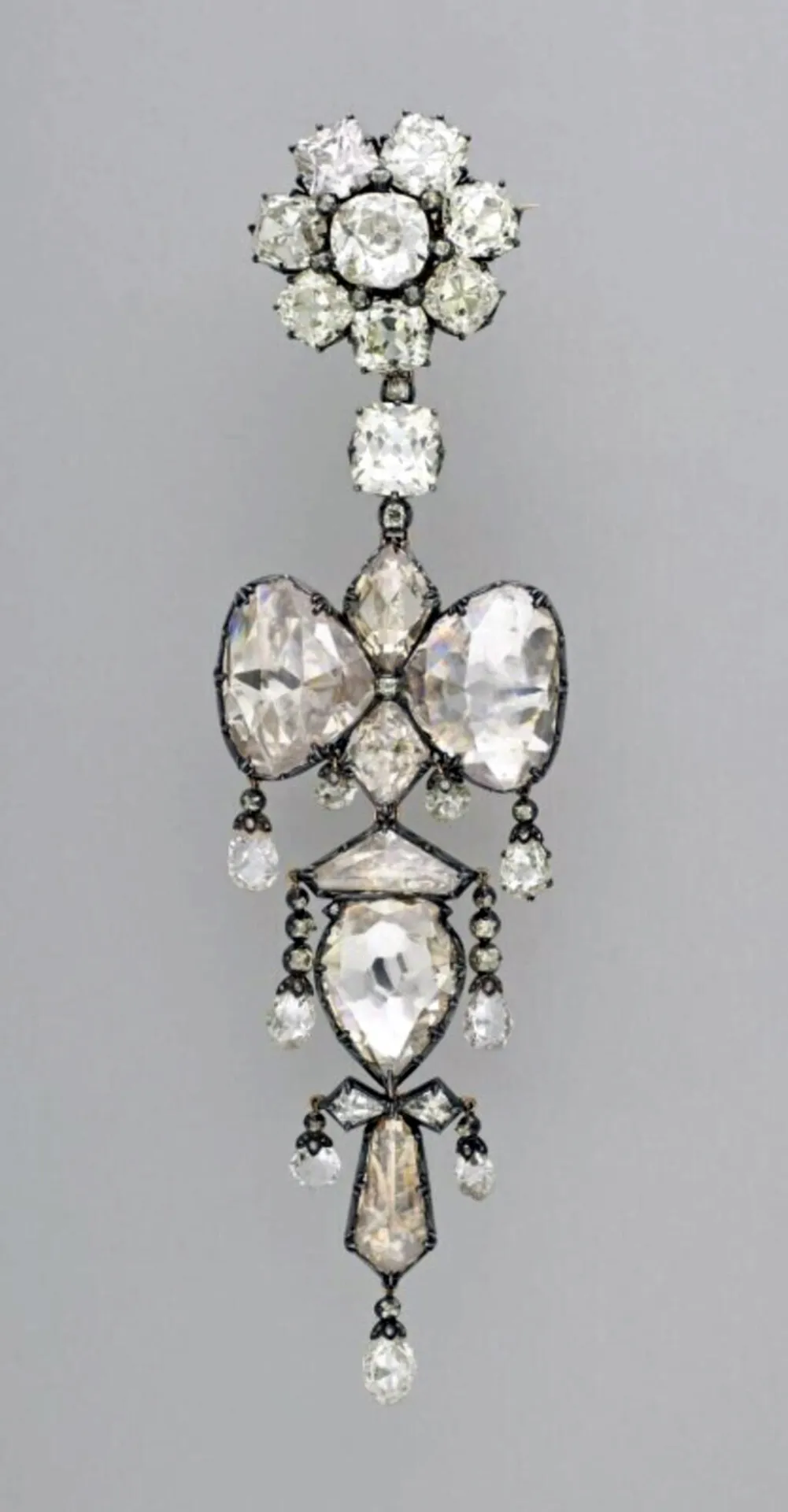
- A brooch known as the «Relic Brooch» or the diamond brooch of Empress Eugénie, created in 1855 by Alfred Bapst. It contains two large diamonds from the Mazarin collection and was donated to the Louvre in 1887.
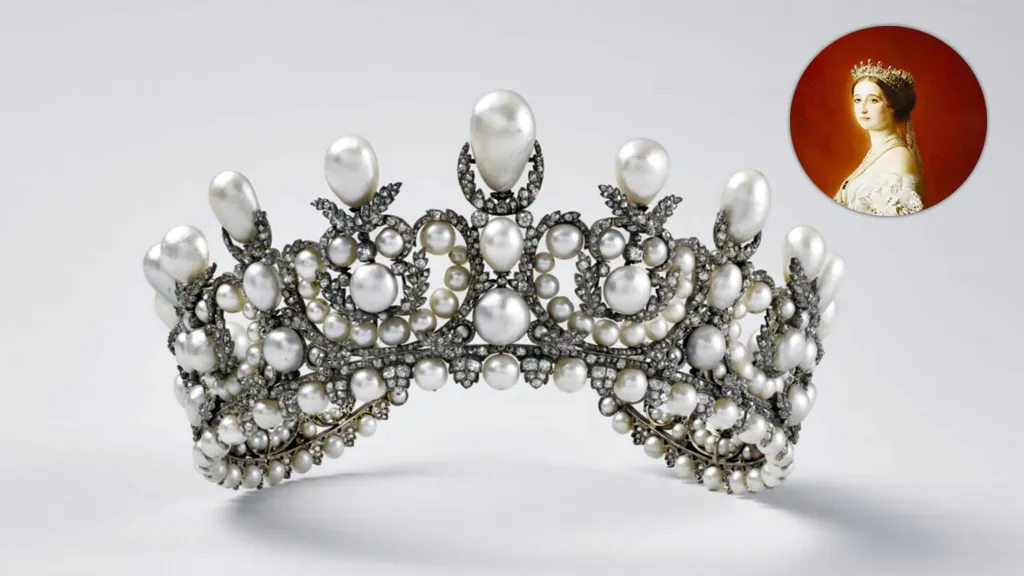
- The pearl tiara with about 2,000 diamonds of Empress Eugénie, gifted to her by the future Emperor Napoleon III on their wedding in 1853. The «Society of Friends of the Louvre» purchased the jewelry for about a million dollars in 1992, after which the tiara was displayed in the exhibition.
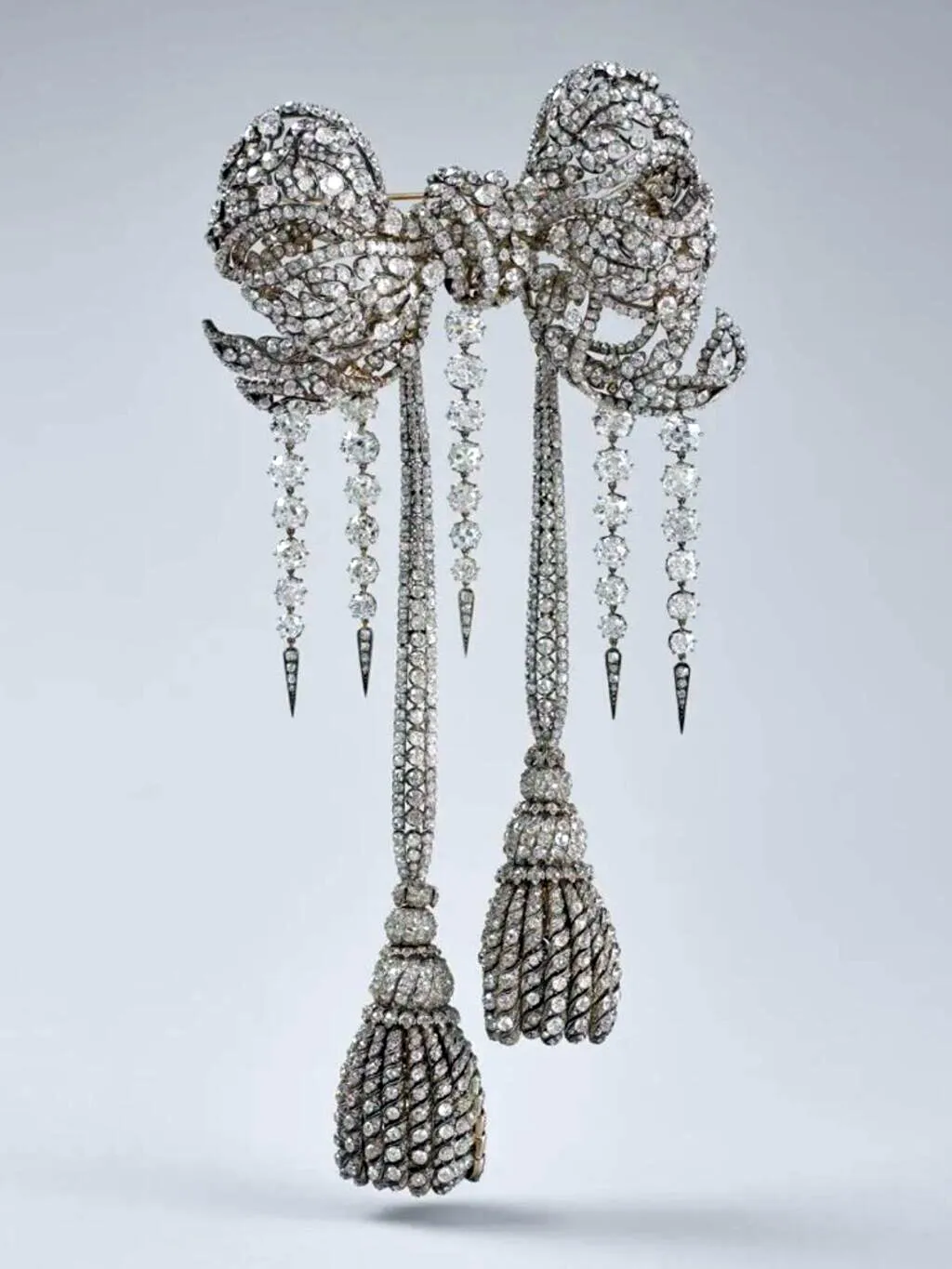
- The large bow-shaped brooch of Empress Eugénie, set with 2634 diamonds weighing about 140 carats. It was created by the empress’s personal jeweler François Cramer and in 1855 was part of a diamond belt. Eugénie decided to dismantle it and later used this brooch as a decoration on her dresses’ bodice.
Experts claim that selling these valuables in their original form is impossible, as they are listed in royal and imperial catalogs, as well as museum inventories. Therefore, the theft may have been commissioned, carried out for a «private collector of historical relics» who will keep them secretly.
But the most likely hypothesis remains that the jewelry will be dismantled and resold.
«Old-cut diamonds can be re-cut into other shapes and resold. Unfortunately, if they are re-cut, we cannot determine their origin, as they are no longer recognizable stones with identifiable cuts, facets, or inclusions», — quotes RFI Magali Teysseire, a jewelry expert at Sotheby’s auction house.
According to auctioneer Olivier Walmé and art theft specialist Arthur Branda, a race against time has begun. Law enforcement must quickly track down the criminals, or the priceless items will disappear forever.
Melting down the jewelry for gold, thus destroying it, can be done very quickly.
«The price of gold—explains Walmé—has historically been extremely high. This week it reached a record 120,000 euros per kilogram. But the value of gold is less than that of some precious stones».
Regarding gemstones, specialists capable of optimally cutting diamonds of such size are rare, and the work can take several months.
Arthur Branda believes that the police are very limited in time, and their maximum is a week. If they manage to catch the criminals, there is a chance that the valuables will remain intact.
«Otherwise, they will most likely disappear without a trace. It’s a real race against time», — emphasized the expert in a SkyNews interview.
«We will return the works of art, and those responsible will be brought to justice», — promised French President Emmanuel Macron on Sunday evening on X-rated radio after the Louvre robbery. «Every effort is being made to achieve this goal», — added the head of state, who expressed regret over the theft, which is an «attack on the heritage we cherish because it is our history».
The investigation involves sixty detectives from the Parisian Judicial Police’s Banditry Fight Brigade (BRB) and the Central Office for the Fight against the Trade in Cultural Property (OCBC). This is the first robbery recorded at the Louvre since the theft of a painting by French artist Camille Corot in 1998, which has not been recovered.
Read also:
Louvre Robbery: The Famous Paris Museum Becomes a Target for Thieves