The US is considering options for a military scenario regarding Cuba

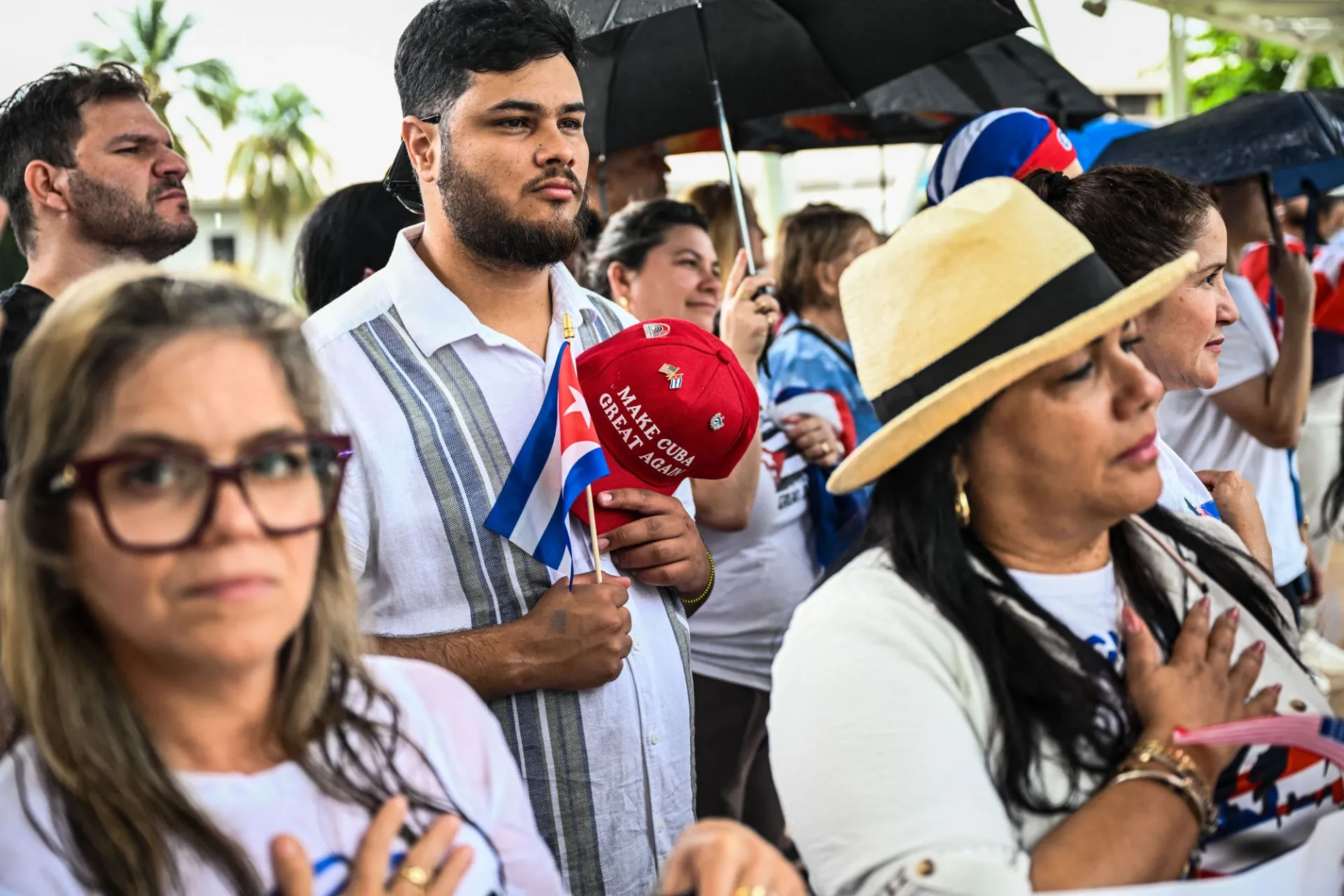
In South Florida, representatives of the Cuban opposition have been publicly calling for a complete change of power in Cuba over the past few months, according to Politico. They have organised prayer meetings and motorcades in Miami and signed a document entitled the Freedom Accord, which sets out their expectations for the transition to democracy. Working groups involving representatives of the diaspora and Cuba are discussing next steps, including the holding of free elections.
These actions highlight tensions between the Cuban diaspora, which traditionally supports the Republican Party, and Donald Trump’s administration. Mixed signals are emerging from Washington regarding future policy towards Cuba, which could influence the mid-term elections.
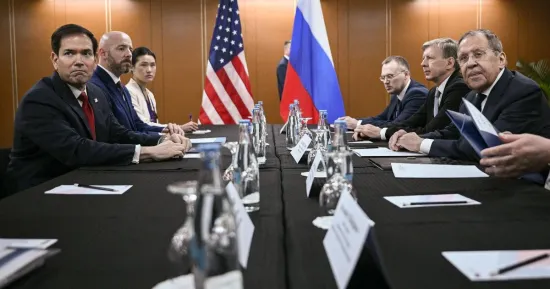
The administration has imposed an energy blockade on Cuba and stepped up sanctions pressure, notably through an executive order published on Friday. At the same time, negotiations with the Cuban authorities are ongoing. Donald Trump and administration officials note that an agreement on economic reforms could satisfy them for the time being. A similar position was expressed by Secretary of State Marco Rubio.
However, some administration officials state that certain Cuban officials must step down, but a complete regime change may be postponed.
This approach is causing concern among some members of the diaspora. They believe that economic changes without political ones will not yield results. The Secretary-General of the Cuban Resistance Assembly, Orlando Gutiérrez-Boronat, noted that real economic changes are only possible after political ones.
Florida Senator Ileana García stated that a lack of action to overthrow the regime in Cuba could affect political sentiment in South Florida. She linked this to previous promises regarding the removal of the communist regime.
According to a Miami Herald poll, 78 per cent of Cuban emigrants would not support economic reforms alone. A significant proportion of respondents expressed support for possible military intervention, although their views on its form were divided.
The Cuban-American community remains an important political force in Florida and one of Donald Trump’s key electoral resources. At the same time, the administration’s immigration policy has also affected members of this community, particularly due to delays in processing applications for legalisation and an increase in deportations.
The White House noted that Cuba remains a country with long-standing internal problems, and its government has lost some of its support. At the same time, final decisions on policy are made by the president.
Activists emphasise that they are seeking a transition to democracy, not piecemeal changes. They are also working on plans for humanitarian aid, holding the leadership to account, and holding elections following any potential changes.
At the same time, Washington is taking broader interests into account, in particular the risks of a migration crisis in the event of sudden changes in Cuba and the reaction of other states. The situation on the island remains difficult, particularly due to power cuts and economic difficulties.
Representatives of the diaspora express cautious optimism regarding possible changes, but stress the need for a clear strategy.