The US has imposed new sanctions on Chinese companies for trading with Iran
On Friday, the US Treasury Department imposed sanctions on 40 shipping companies and vessels, as well as one Chinese oil refinery. The restrictions target maritime trade linked to Iran, according to the Washington Post.
Most of the vessels subject to sanctions have links to Chinese entities or have previously transported Iranian oil to China.
The decision was taken following a series of incidents at sea. In particular, this concerns the detention of the vessel Touska, which was en route to Iran and had called at a Chinese port used for loading chemicals. US President Donald Trump stated that a ‘gift from China’ had been found on board.
Two tankers were also detained in the Indian Ocean this week, which, according to US officials, were carrying nearly 4 million barrels of Iranian oil.
US Treasury Secretary Scott Bessent stated that the new sanctions are intended to increase economic pressure on Iran and limit its activities in the Middle East.
This is the largest package of sanctions against Iran’s so-called ‘shadow fleet’ since the start of the war.
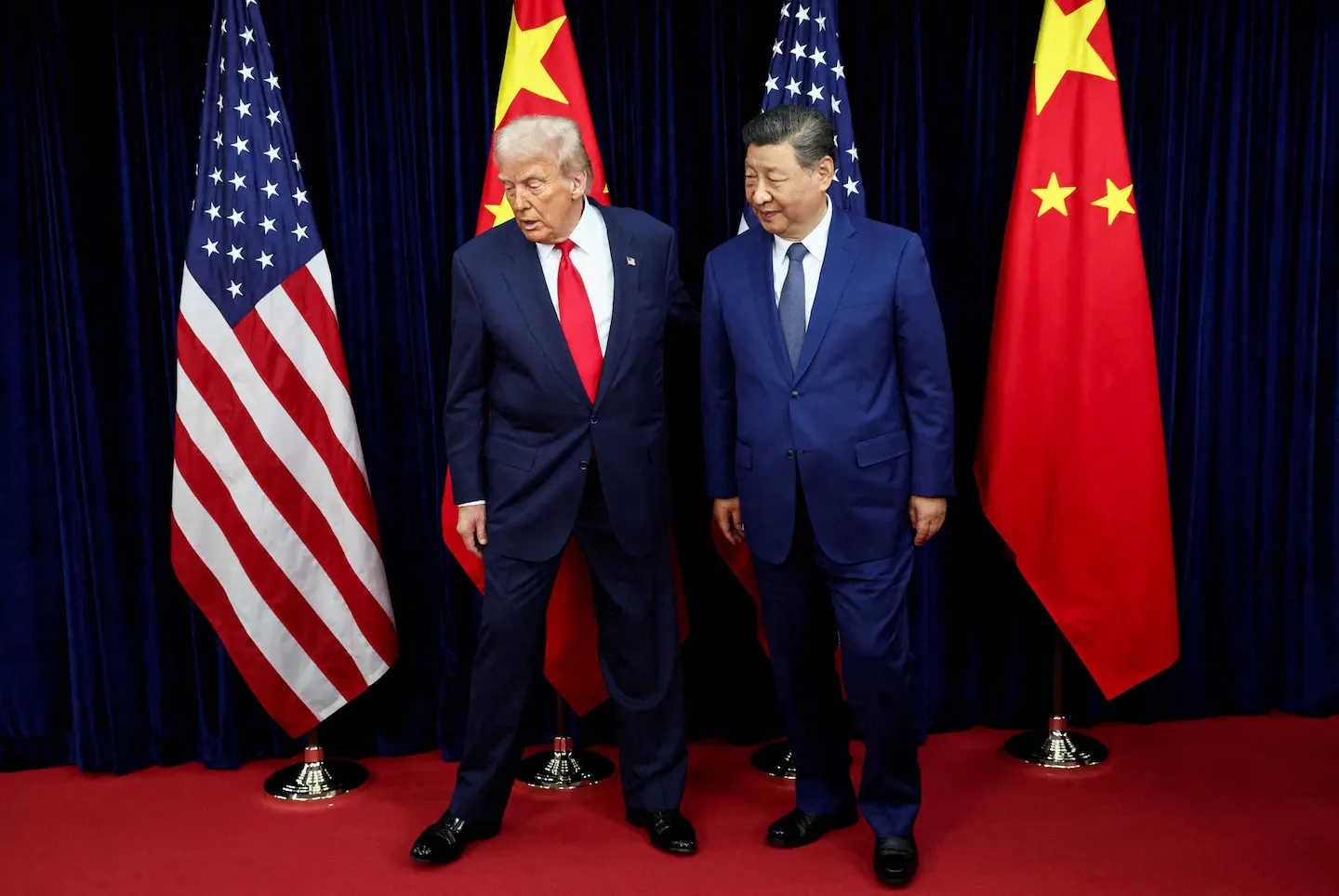
The decision was taken on the eve of the planned meeting between Donald Trump and Chinese President Xi Jinping in Beijing. The talks had previously been postponed due to the war in Iran.
China has responded to the US actions with criticism. The Chinese Foreign Ministry stated that it rejects any allegations of links to the detained vessels.
China remains the largest buyer of Iranian oil. According to analysts’ estimates, prior to the outbreak of the war, the country imported around 1.4 million barrels of oil daily, accounting for approximately 13 per cent of total imports.
This trade is conducted through a network of tankers, companies and intermediaries operating outside standard legal channels. Some of the oil is supplied to small refineries in China.
Among the entities targeted by sanctions was Hengli Petrochemical (Dalian) Refinery Co. Ltd., which, according to US data, purchased billions of dollars’ worth of Iranian oil.
Following the outbreak of the war, most Chinese vessels ceased passing through the Strait of Hormuz. This took place as part of agreements between Beijing and Tehran.
The US authorities state that they will continue to expand sanctions and disrupt Iranian oil supplies.
US Attorney Janine Pirro stated that the authorities will continue to monitor such operations and hold those involved in illegal maritime activities to account.