The US intercepted the tanker Aquila II in the Indian Ocean for violating sanctions

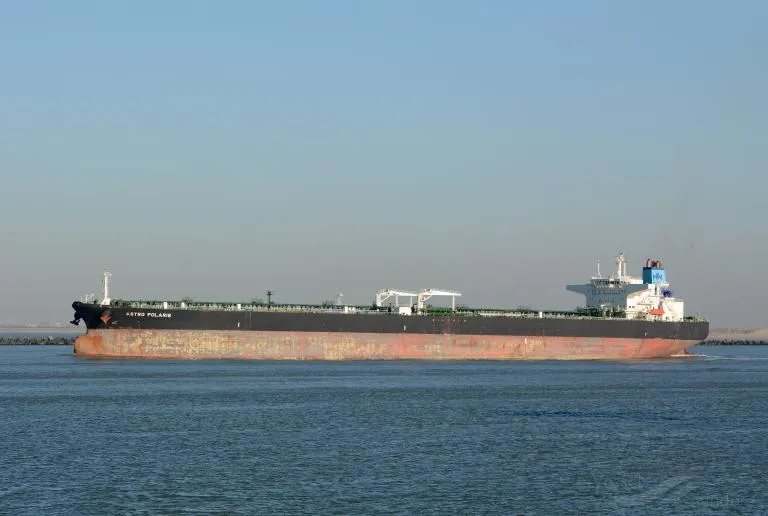
The US Armed Forces inspected and intercepted the oil tanker Aquila II in the Indian Ocean after pursuing the vessel from the Caribbean. This was reported by US Defence Secretary Pete Gagset, according to Reuters.
According to him, the US military exercised its right to inspect, intercept and board the vessel without incident. The tanker, Hagseth said, attempted to evade control by violating Washington's blockade of vessels under sanctions travelling to or from Venezuela.
The operation took place against the backdrop of tightened sanctions following the capture of Venezuelan leader Nicolas Maduro during a US military raid in Caracas last month. After that, Washington sharply tightened control over maritime oil shipments from South America. Venezuela is a member of OPEC.
The Suezmax-class tanker Aquila II left Venezuelan waters in early January as part of a flotilla of ships. According to schedules from the state-owned company PDVSA, it was carrying about 700,000 barrels of heavy Venezuelan oil, with China as its final destination. Most of the other ships in the flotilla subsequently returned to Venezuela or were detained by the US.
According to Western and Ukrainian sources, the Aquila II is considered part of Russia's so-called shadow fleet, which is used to circumvent international sanctions. This is at least the seventh case of such a tanker being detained since December 2025.
The War and Sanctions portal, run by the Main Intelligence Directorate of Ukraine, reports that the vessel with IMO number 9281152 is included in the sanctions lists of the United States, Great Britain, the European Union, Canada, Switzerland and Ukraine. The tanker is linked to Sunne Co Limited, a company against which the US imposed sanctions in January 2025 for its activities in Russia's energy sector.
According to available data, Aquila II transported both Russian and Venezuelan oil, used transponder shutdowns and other methods to conceal its route. The vessel sailed from ports in Russia and Venezuela, in particular to China and other regions. At the same time, information about its flag and registration in international databases remains controversial.