Global military spending is rising sharply thanks to Europe, but is falling in the US

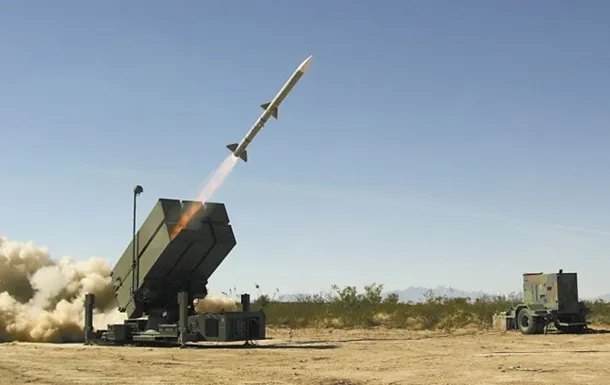
This is according to a new report by the Stockholm International Peace Research Institute (SIPRI), as reported by Reuters.
This marks the 11th consecutive year of growth in global defence budgets, with their share of global GDP reaching 2.5% – the highest level since 2009.
The sharpest decline was recorded in the United States – by 7.5%, to $954 billion.
The main reason is the Donald Trump administration’s decision to halt new financial military aid to Ukraine. By way of comparison: over the previous three years, the US allocated around $127 billion to Kyiv.
However, SIPRI considers this a temporary phenomenon, as the budget for 2026 already exceeds $1 trillion. By 2027, spending could rise to $1.5 trillion.
Europe has become the main driver of global growth, with spending jumping by 14% to $864 billion.
This is the fastest growth in Central and Western Europe since the end of the Cold War.
The reason is obvious – Russia’s war against Ukraine and NATO countries’ preparations for potential new threats.
The top three in this regard remain unchanged – the US, China and Russia. Together, they account for over half of global military spending – $1.48 trillion (51%).
At the same time, spending has continued to rise among the warring parties themselves. Both Ukraine and Russia have been increasing their budgets for the fourth consecutive year.
Unlike Europe, some Middle Eastern countries have cut spending:
- Israel – down 4.9% (following the winding down of the active phase of the war in Gaza);
- Iran – down 5.6% (the second annual decline in a row).
SIPRI warns that the current growth is not a peak, but merely the start of a long-term trend.
“Given the number of crises and states’ long-term plans, spending is likely to continue rising in 2026 and beyond,” analysts note.
They emphasise that the world is entering a phase of systemic militarisation, even despite local lulls or the political decisions of individual countries.
Follow us on Telegram