The Ascension of the Lord 2026: when it is celebrated and what to do before the holiday

The Ascension of the Lord is a movable feast. Its date changes every year, as it depends on Easter.
The feast always falls on the 40th day after Christ’s Resurrection, usually on the Thursday of the sixth week after Easter.
In 2026, Orthodox Easter was on 12 April. Therefore, the Ascension of the Lord will be celebrated in Ukraine on 21 May.
For Western Christians, Easter 2026 fell on 5 April. Accordingly, their Ascension Day will be on 14 May. Due to the difference in calendars, the dates of the celebrations do not coincide again.
What does the Ascension of the Lord mean?
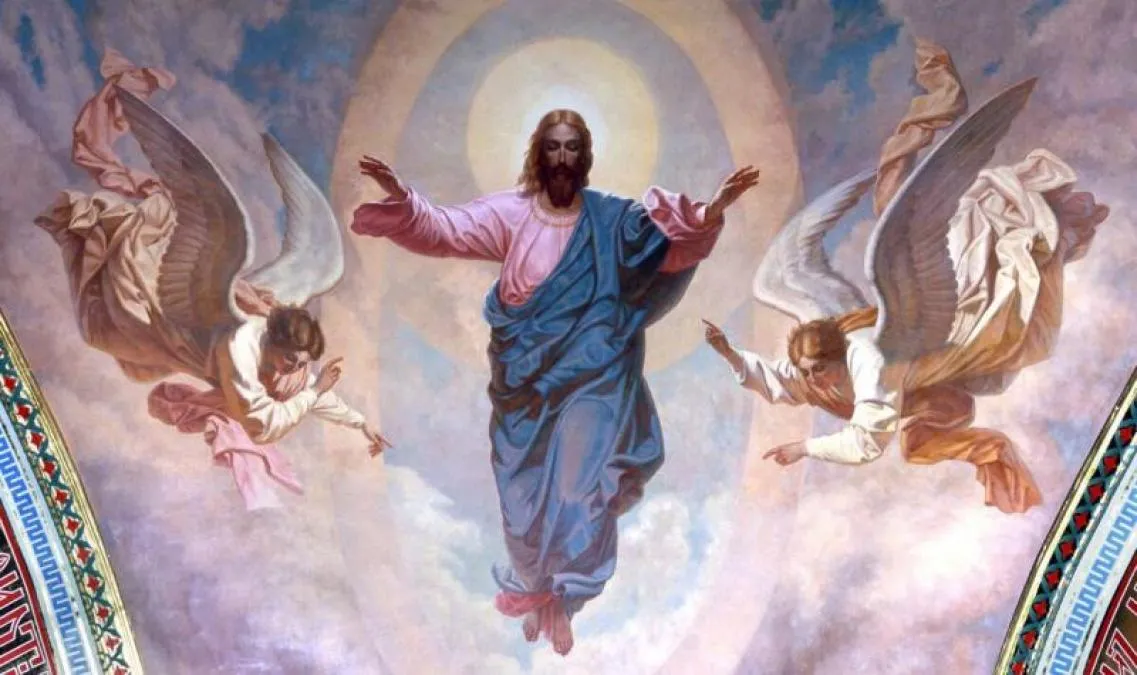
The Ascension of the Lord is one of the main Christian holidays of the year. On this day, believers commemorate how Jesus Christ ascended into heaven after his resurrection.
According to biblical tradition, after his resurrection, Christ remained on earth for 40 days, teaching the apostles and giving them guidance. On the 40th day, he left the earth and was reunited with God the Father in heaven.
In Christian tradition, the Ascension signifies the completion of Christ’s earthly ministry and the glorification of human nature in God’s glory.
For believers, this feast has a special significance: Christ ascended not only as God, but also as a human being. That is why the Ascension is associated with the hope of salvation and eternal life.
Why the 40th day is important
The number 40 has special significance in the Bible. It is repeatedly associated with trials, purification and preparation for a new stage.
Jesus fasted in the desert for 40 days. The people of Israel wandered in the desert for 40 years.
Therefore, the period between Easter and the Ascension is seen as a time of spiritual joy, strengthening of faith and realisation of life’s victory over death.
Until Ascension Day, the Easter greeting “Christ is risen!” is still heard in churches. It is on Ascension Day that this Easter period comes to an end.
What to do before Ascension
Before the Ascension, folk tradition dictated that people should tidy up their homes. Particular attention was paid to the cleanliness of the home, as it was not customary to welcome a major holiday in a state of disorder.
People tried to finish cleaning, washing, mopping the floors and other household chores before the holiday. It was believed that unwashed dishes, untidy belongings and dirt in the home could ‘drive away’ good luck.
It was also advised to avoid quarrels, insults, gossip and unnecessary fuss before Ascension. This time was seen as a period of peace, prayer and inner preparation.
On the evening before Ascension Day, a festive All-Night Vigil begins in churches, as the church day is counted from the evening. The following morning, a solemn Liturgy is celebrated.
Traditions on Ascension Day
On Ascension Day, a special service with the Divine Liturgy takes place in churches. Believers pray for the forgiveness of sins, peace of mind and wisdom in life.
It was traditionally believed that on this day one could ask the Lord for various needs, but not for wealth.
Ascension Day was also seen as a family day. Gathered around the table, people remembered the dead and prayed for the repose of their souls.
A special festive dish was ‘ladders’ – shortbread biscuits shaped like a staircase. The number of steps in such biscuits corresponded to the number of family members. The biscuits were distributed to everyone at the table.
What not to do on Ascension Day
On the Feast of the Ascension, the Church advises against quarrelling, judging others, or wishing ill upon anyone.
Light household chores are permissible, but it is best to refrain from heavy physical labour and work in the garden.
Folk beliefs also advise against doing needlework. It was believed that such work would not turn out well on this day.
In folk tradition, Ascension Day is associated with prayer, silence, family remembrance and a break from the hustle and bustle of daily life.
Superstitions on Ascension Day
People used to judge the summer and the harvest by the weather on Ascension Day.
If it rains on the feast day, July will also be cool.
If the day is sunny, the warm weather may last until September.
A blue sky with white clouds was considered a sign of a good vegetable harvest.
Morning dew promised hot weather.
A thunderstorm on Ascension Day was considered a bad omen: according to popular belief, the harvest might be poor.
The spiritual significance of the holiday
For many Ukrainians, the Ascension of the Lord is not just a church holiday, but also a day of inner peace, reflection and hope.
The holiday concludes the Easter cycle and serves as a reminder of the triumph of the spiritual over the earthly, of faith in eternal life and heavenly intercession.
Follow us on Telegram