The US Senate has questioned the Trump administration’s strategy regarding the war with Iran

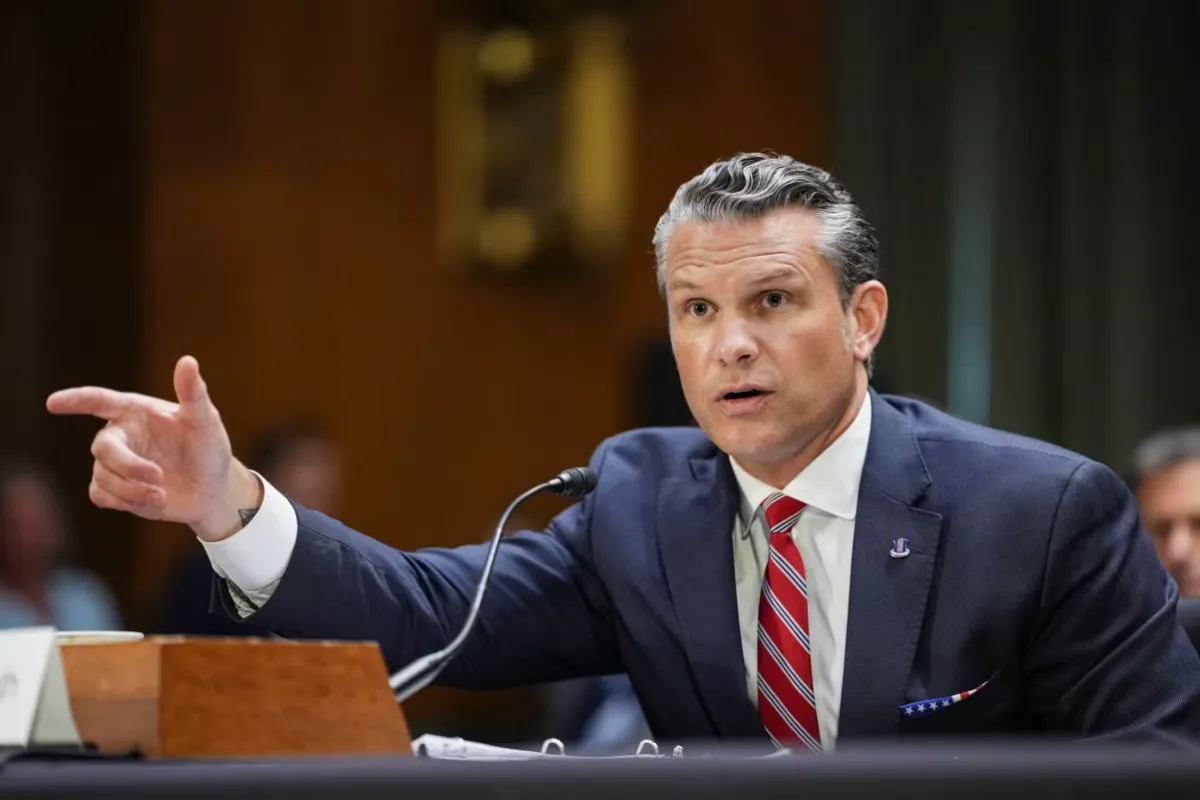
During hearings in the US Senate, lawmakers demanded that Defence Secretary Pete Hagseth explain how long the war with Iran would last, what its ultimate objective was, and how much it was costing the US budget. According to a number of senators, no answers to these questions were ever provided.
Republican John Kennedy stated that Americans need “clear answers and a frank discussion” regarding the course of the war. At the same time, during the hearings, Democrats highlighted the discrepancy between the administration’s previous claims of the military campaign’s success and the current situation.
Senator John Ossoff pointed out that Pete Hagset had previously claimed that Iran’s military capabilities had been destroyed, but the administration is now asking Congress to allocate tens of billions of dollars more. According to the senator, the Defence Secretary did not answer whether that previous statement was true.
The Donald Trump administration has submitted a request to Congress for additional funding of $87.6 billion. Over $67 billion of this sum is earmarked for funding the war and other Pentagon requirements. According to Hegset, war expenditure has already reached $37.5 billion.
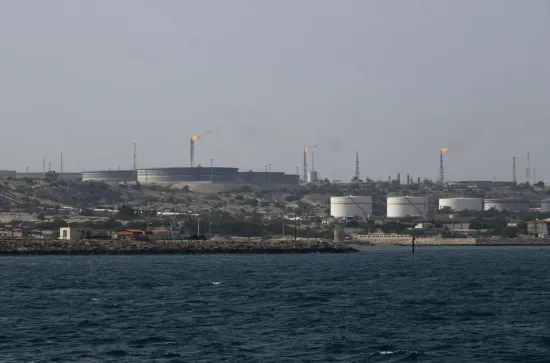
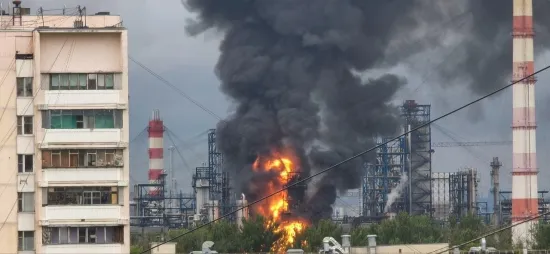
It was also noted during the hearings that the conflict is ongoing. Over the past weekend, more US service personnel were killed, bringing the total death toll to 18. According to CNN, around 100 US service personnel have been wounded since the start of July. Iran has almost completely halted shipping through the Strait of Hormuz, whilst its Houthi allies in Yemen are threatening shipping lanes in the Red Sea.
Donald Trump has stated that he may soon authorise a further escalation, including a strike on Pickaxe Mountain, which is suspected of being used for Iran’s nuclear programme.
During the hearings, Pete Hagseth stated that the US’s primary objective is to prevent Iran from acquiring nuclear weapons. He also said that the strikes are intended to weaken Tehran’s ability to control the situation in the Strait of Hormuz.
The report notes that such statements may indicate a shift in the focus of US strategy following the collapse of the memorandum of understanding, which had temporarily halted hostilities. Whilst Donald Trump previously spoke of regime change in Iran, administration officials are now focusing on curbing Iran’s nuclear programme and ensuring the safety of shipping.
Donald Trump also told journalists that the upcoming mid-term congressional elections would not influence his decisions regarding the war. He later compared US casualties in the current conflict to the human toll of the wars in Vietnam, Iraq and Afghanistan.
During the hearings, Senator Kirsten Gillibrand stated that the administration was requesting billions of dollars in additional funding for a war which, she said, was supposed to last only a few weeks. She also linked the cost of the military campaign to rising food and fuel prices for Americans.
Pete Hagseth responded by saying that politics involves setting priorities, and that preventing Iran from acquiring nuclear weapons is a strategically important objective that justifies the current expenditure.
Despite criticism from the Democrats, the majority of Republican senators supported the Donald Trump administration’s request for additional funding for the military campaign.