The leaders of France and Germany criticised the EU for its attempts to engage in dialogue with Putin during a closed-door meeting — media reports

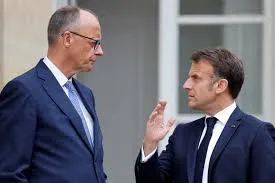
Politico reports this, citing sources familiar with the proceedings of the meeting.
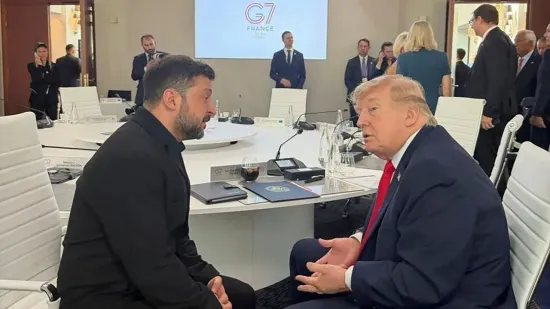
In recent months, the EU has been discussing what kind of relationship it should have with Putin (if any at all), and if so, who should lead it. The urgency of this issue has increased after US President Donald Trump concluded a preliminary peace agreement with Iran and, at the G7 summit in France earlier this week, made it clear that he is once again turning his attention to Ukraine.
Politico sources say that Koshta’s chief of staff, Pedro Lurtie, has been in contact with officials in Moscow twice in the last few weeks.
Macron and Merz’s position is that now is not the time for talks with Putin, and when the time comes, the ‘E3’ – comprising France, Germany and the UK – should take the lead. They have been backed by Estonia, Denmark, the Netherlands and other countries.
“The European Union cannot take on the role of mediator in these negotiations. The assumption that alternative channels or secret diplomatic avenues are necessary is mistaken… History clearly warns against attempts to find alternative frameworks for negotiations with dictators,” Estonian Prime Minister Kristen Michal told Politico.
However, other leaders (“a huge number”, according to one EU official) took the opposite view, stating that this is the EU’s role, and backed Kosht.
“The first question is whether Putin wants to negotiate. Until then… no one but Kosht can represent the European Union. If he [Putin] demonstrates a willingness to negotiate, then, in my view, we will have to decide again how to proceed,” Belgian Prime Minister Bart De Wever told Politico as he left the talks.
In January 2026, Politico reported that EU members were pressuring the European Council to appoint a special negotiator to deal with Putin on Ukraine. Europeans fear that Washington might strike a secret deal with Moscow without taking Europe’s position into account.
Follow us on Telegram