The US and Ukraine are discussing a ceasefire along the front line

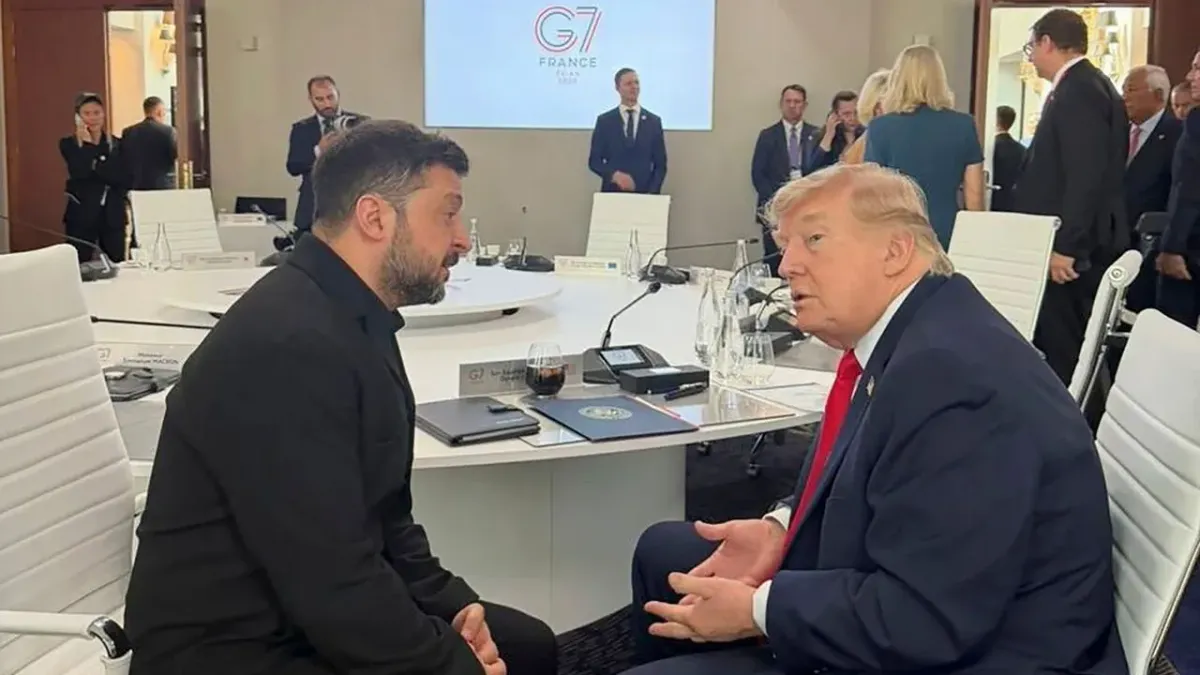
The G7 summit in Evian, France, concluded against a backdrop of cautious optimism regarding continued US support for Ukraine. European leaders believe a new window of opportunity for diplomacy has opened, reports The Economist.
US President Donald Trump remained at the summit until its conclusion. This contrasts with last year’s summit in Canada, which he left on the first evening.
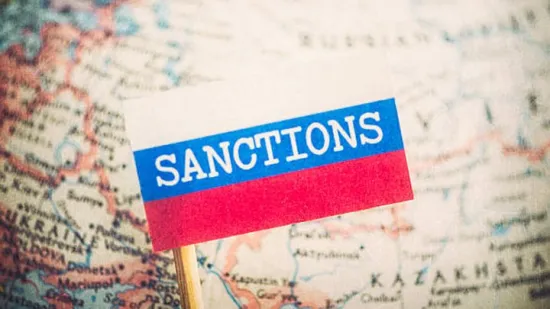
Following the meeting, the leaders of the US, the UK, Canada, France, Germany, Italy and Japan reaffirmed their unwavering support for Ukraine. They also announced their intention to tighten sanctions against Russia, particularly regarding oil and gas.
The G7 countries pledged to continue supplying air defence systems and long-range weapons. The possibility of Ukraine manufacturing allies’ weapons under licence was also discussed.
French President Emmanuel Macron described the summit’s outcome as a significant moment for Europe. German Chancellor Friedrich Merz noted a shift in tone in transatlantic relations.
European diplomats attribute this cautious optimism to the new agreements between the US and Iran. In their view, this could allow Washington to devote more attention to Ukraine, as well as create the conditions for tougher sanctions against the Russian energy sector.
A further factor has been the shift in sentiment in Washington. In the US, the view that Russia cannot be trusted is becoming increasingly prevalent, whilst Ukraine is demonstrating a strong position in the war.
On 18 June, Ukrainian drones attacked an oil refinery in Moscow. The US has taken note of such operations, particularly due to Ukraine’s effective use of unmanned technology.
Despite this, the prospects for a peaceful settlement remain challenging. According to the publication, informal contacts with Russia have resumed, whilst daily contacts are continuing between Ukraine and Donald Trump’s team.
Among the options under discussion is a two-stage ceasefire. The first stage would involve restricting hostilities within a 50–70-kilometre zone on both sides of the front line. A broader agreement could follow.
At the same time, the obstacles to any peace agreement remain significant. Russia continues to insist on its own terms regarding the occupied territories, which Ukraine considers unacceptable.
Ukrainian diplomats stress that the situation is changing, and the events of recent weeks demonstrate a new dynamic in the war.