The proportion of non-performing assets in Russian banks has exceeded a critical level

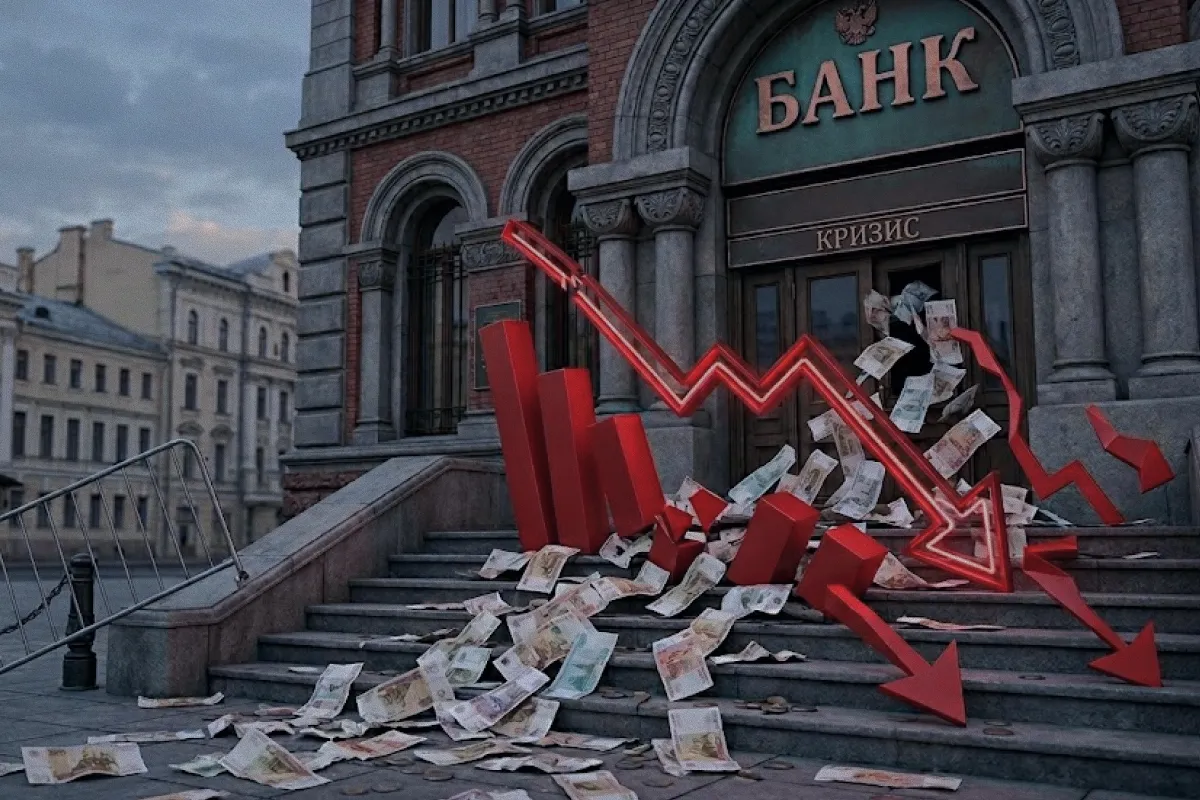
Ukraine’s Foreign Intelligence Service has reported that the proportion of non-performing assets in the Russian banking system has exceeded 10%.
These figures are cited in a report by the pro-Kremlin Centre for Macroeconomic Analysis and Short-Term Forecasting. According to the methodology of the International Monetary Fund, this level is considered the threshold for the onset of a systemic banking crisis.
Analysts note that the indicator has exceeded the critical threshold for the third month in a row.
The Centre for Macroeconomic Analysis and Short-Term Forecasting stated that the crisis is of a latent nature. According to their assessments, the deterioration in asset quality is being concealed through the restructuring of overdue loans and the dominance of state-owned banks. This, it is noted, allows the system to avoid panic among depositors and maintain the appearance of financial stability.
Ukraine’s Foreign Intelligence Service also reported that over the past 12 months, Russia’s GDP growth has slowed to 0.4%. The negative trend, which persisted throughout 2025, continues into early 2026.
A sharp rise in overdue accounts receivable between companies was cited as a further sign of the deteriorating situation. For the first time, the volume exceeded 8 trillion roubles, or 3.8% of Russia’s GDP.
Almost half of Russian companies cited payment delays from counterparties as the main problem last year.