The shortage of AI-95 petrol in Russia is worsening due to problems at refineries and rising demand

Tetiana Bodnarenko
Tetiana Bodnarenko Journalist
The shortage of AI-95 petrol in Russia is worsening due to problems at refineries and rising demand
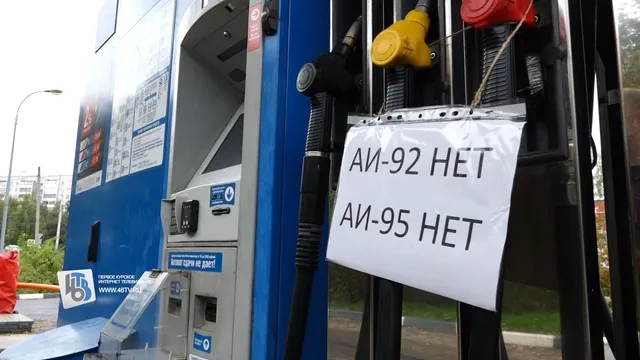
Petrol station Illustration by SZRU
The shortage of AI-95 petrol in Russia is becoming increasingly acute. This is due to emergency repairs at oil refineries, a reduction in oil processing volumes and a seasonal rise in demand.

According to industry analysts, the unmet demand for AI-95 petrol has already exceeded 26,000 tonnes, reports SZRU.

Against the backdrop of a shortage of resources, Russian oil companies are redirecting capacity towards the production of AI-92, which the Kremlin considers a socially significant type of fuel.

Despite statements from the Russian Ministry of Energy regarding a stable situation, exchange prices for petrol continue to rise. The cost of AI-95 has approached 72,000 roubles per tonne. On the over-the-counter market, prices are approximately 10% higher.

Market participants acknowledge that supply is limited and there is a shortage of fuel.

Among the reasons for the shortage are emergency and unscheduled repairs at oil refineries, a decline in oil processing volumes and a seasonal surge in demand.

At the same time, large refineries are shutting down en masse for repairs for at least a month, making it difficult to build up reserves ahead of the summer season.

Against this backdrop, the risk of a large-scale petrol shortage this summer is growing.

The Russian authorities claim there are sufficient stocks and stable logistics, yet Russians themselves are increasingly talking about switching their cars to gas due to the rising cost of petrol and its limited availability.

Over the past year, petrol prices in Tatarstan have risen by almost 16%. The price of AI-92 has risen by 16.8%, and AI-95 by 15%.

Follow us on Telegram

Share tittle
Economy
"Ukrnafta" is to build a new gas-fired combined heat and power plant with the support of the EBRD
Economy

"Ukrnafta" is to build a new gas-fired combined heat and power plant with the support of the EBRD

"Ukrnafta", in partnership with the European Bank for Reconstruction and Development, is preparing to build a modern combined-cycle gas-fired combined heat and power plant with a capacity of around 250 MW.

21.07.2026
The IMF has approved a $690 million tranche for Ukraine: the conditions
Economy

The IMF has approved a $690 million tranche for Ukraine: the conditions

The Executive Board of the International Monetary Fund has completed the first review of the four-year Extended Fund Facility programme for Ukraine. The decision paves the way for the immediate release of approximately $690 million.

21.07.2026
The cost of living in Ukraine: Getmantsev reveals the actual figure
Economy

The cost of living in Ukraine: Getmantsev reveals the actual figure

The real cost of living in Ukraine should be at least 11,000–12,000 hryvnias per month. However, there are currently no plans to raise it to this level in the near future due to the constraints on the state budget.

20.07.2026
Electricity tariffs from 1 August: how much will a kWh cost?
Economy

Electricity tariffs from 1 August: how much will a kWh cost?

From 1 August 2026, the electricity tariff for households will remain unchanged. Household consumers will continue to pay 4.32 hryvnias per kilowatt-hour, regardless of their monthly consumption.

20.07.2026
The National Bank has increased its foreign currency sales to over a billion dollars
Economy

The National Bank has increased its foreign currency sales to over a billion dollars

Between 13 and 17 July, the National Bank sold 1.074 billion dollars on the interbank foreign exchange market. This is 203.09 million dollars, or almost a quarter, more than the previous week.

20.07.2026