The Independent: Ukraine faces a mobilisation crisis

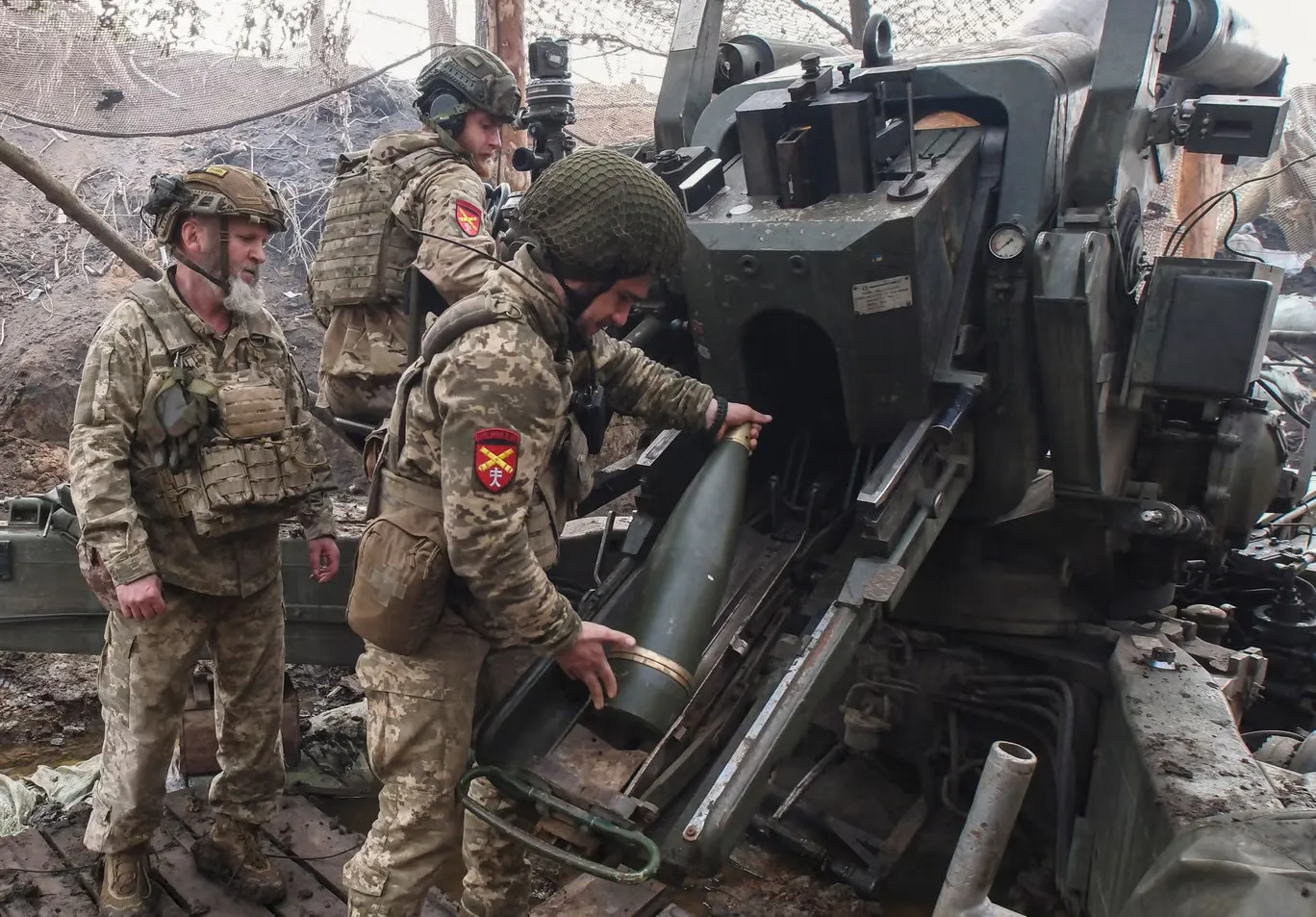
The publication reports that the mobilisation crisis in Ukraine is intensifying at a time when the war is entering a phase of attrition and Russia continues to exert pressure on the front line. Against this backdrop, President Volodymyr Zelenskyy, as noted by The Independent, has warned that a protracted conflict in the Middle East could further weaken US support for Ukraine and affect the supply of missiles for the Patriot systems.
The article states that earlier this year, Defence Minister Mykhailo Fedorov informed parliament of 2 million people wanted for evading mobilisation. Data from the Office of the Prosecutor General is cited separately: since 2022, around 290,000 cases have been opened against military personnel who abandoned their posts or deserted without authorisation.
The Independent also reports that some of those evading mobilisation or service are posting videos of their escape across the Carpathians to neighbouring countries. One of the people featured in the article, 37-year-old Denis, told journalists that at the start of the war he had gone to the military recruitment office himself, but later, he said, he saw the injustice of a system where some can ‘buy their way out’, whilst others are conscripted despite being ill.
Why the problem is escalating
On the front line, according to the publication, many soldiers are exhausted and see no prospect of rotation. One drone pilot near Zaporizhzhia said that before switching to working with drones, he had fought continuously for three years as an infantryman. Oleksandr Merezhko, chair of the parliamentary committee on foreign affairs, told The Independent that the problem is largely psychological: people do not want to join the army because they see no clear end to their service or prospect of rest after the front line.
The article notes that at the start of the full-scale invasion, Ukraine relied heavily on volunteers and did not conscript younger men for a long time. When conscription was expanded, it applied to men over 30, whilst the minimum age for compulsory service remains 25. Furthermore, in 2025, men aged between 18 and 24 were permitted to leave the country, and, as the publication notes, hundreds of thousands of people took advantage of this.
The authors also point out that attempts to encourage young people to enlist with generous bonuses have not had the desired effect. Yevhen Karas, commander of the ‘Reid’ drone regiment, told The Independent that ‘no major war has ever been won by volunteers’, but for proper mobilisation, he said, people must trust the specific unit, the commanders, the level of training and the support provided.
Andriy Biletsky, commander of the Third Corps, told the publication that his unit is staffed mainly by volunteers and that the problem lies not only in the number of people, but also in the quality of management, training and command at the lower levels. According to him, if people are given confidence in good training and proper command, far more of them will join the army of their own accord.
At the same time, The Independent reports that under current conditions, many men evading mobilisation are effectively living in hiding, as they fear being detained on the streets and sent to the most dangerous sections of the front line. This, the publication concludes, has become one of the most striking manifestations of the current mobilisation crisis in Ukraine.
It should be noted that the Command of the Ukrainian Armed Forces’ Land Forces has officially denied reports of preparations for the compulsory mobilisation of women. The military emphasised that such reports in the media are manipulative and are being used by the enemy to destabilise society.