Technical problems were found in the warhead of the Oreshnik missile.

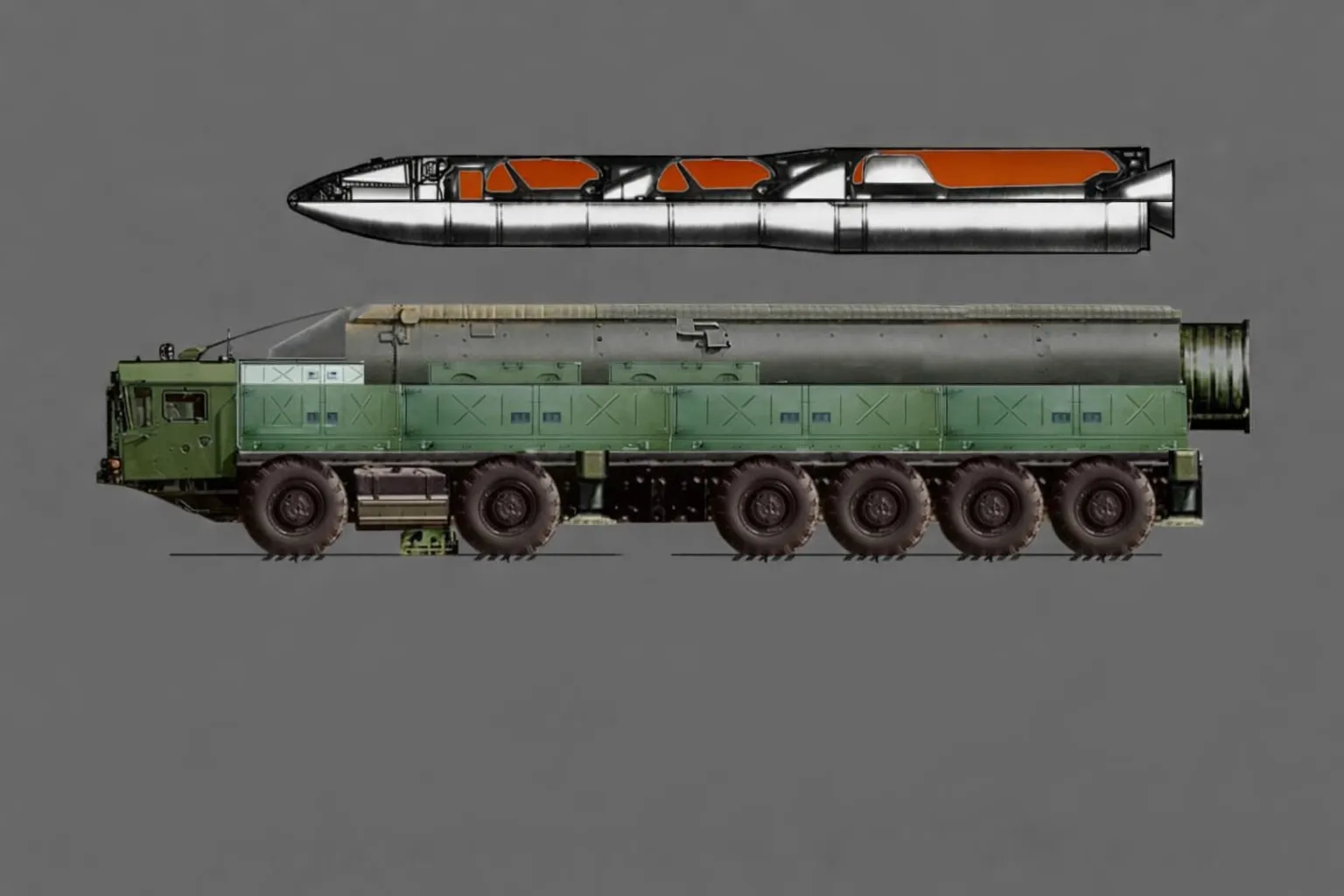
A number of technical flaws have been discovered in the warheads of Russia's Oreshnik missile system, casting doubt on claims of its high accuracy and reliability. In particular, the missile lacks an individual guidance system for warheads.
This was reported by the Russian Telegram channel MilitaryRussia, which specialises in weapons. The channel's analysts studied photographs of rocket debris published online after strikes on Ukraine in 2024 and 2026 and concluded that Oreshnik does not have individual guidance units.
According to their estimates, the missile's warhead uses a sealed instrument compartment typical of the Moscow Institute of Thermal Technology's designs and a gas-reactive guidance system, which is used only for general guidance of warheads. The warheads themselves are likely to be unguided and serve as carriers for cassettes with striking elements.
In general, according to analysts' estimates, the Oreshnik warhead consists of six warheads. Each of them carries six striking elements, meaning that one missile can contain up to 36 such elements.
The Ukrainian analytical project Militariy, analysing video footage of the strike on the suburbs of Lviv on the night of 9 January, recorded the fall of four groups of warheads, followed by two more warheads falling separately. This may indicate that two warheads did not open and did not eject their cassette elements. At the same time, these units fell at a considerable distance from each other.
Military notes that the extremely high speed of the missile can create problems not only for accuracy in conventional kinetic use — when damage is caused by mass and speed without explosives — but also lead to some of the warheads physically not withstanding re-entry into the atmosphere.
Oreshnik, military research, war, Russia, Ukraine