In Warsaw, the metro is being prepared for possible use as a shelter

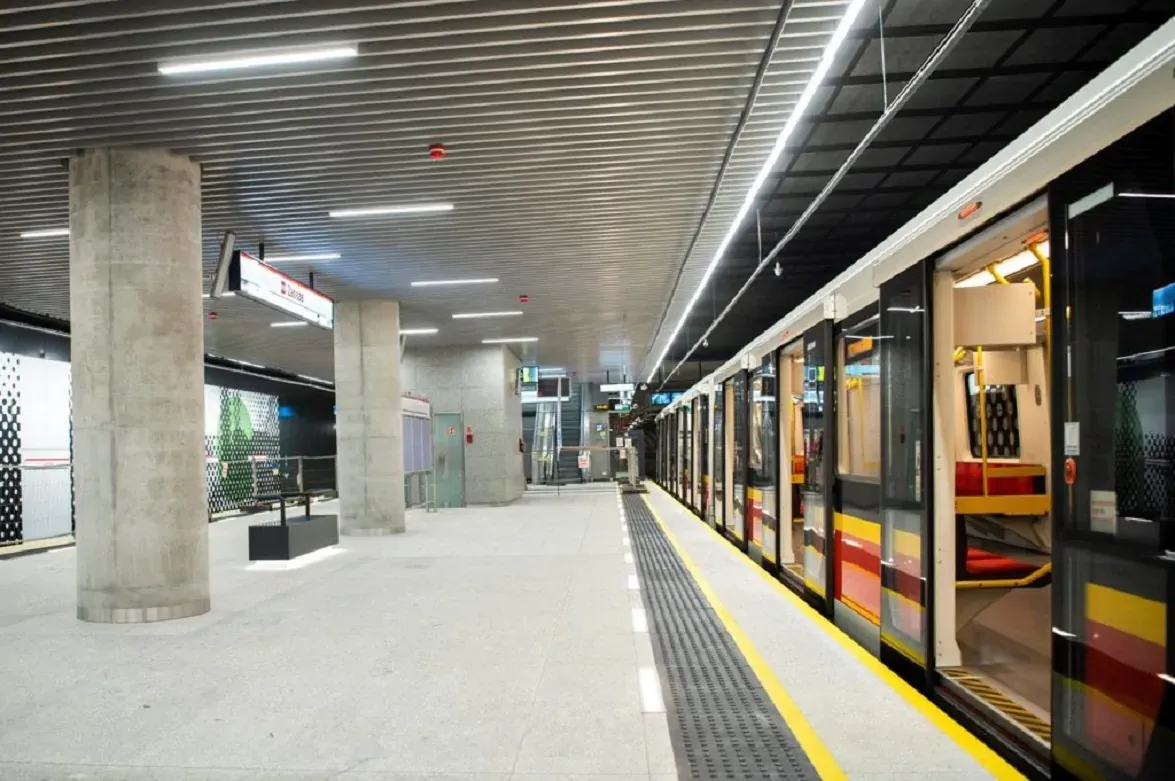
The Warsaw Metro is to play a role not only in daily transport, but also in civil security. As part of the "Underground Shield" programme, the capital's authorities, led by President Rafał Trzaskowski, are beginning preparations to use the underground infrastructure as a shelter in case of threat.
The project involves adapting tunnels, technical rooms and unused underground spaces to accommodate large numbers of people. It is estimated that more than 100,000 residents could be sheltered. There are plans to conduct an inventory and adaptation of technical areas, improve the airtightness of certain sections, and install filter ventilation systems and sanitary equipment to ensure basic conditions in crisis situations.
"Together with the fire brigade, we will adapt metro stations so that they can serve as shelters, and we will use technological cavities for emergency storage of water, camp beds and blankets. Thanks to this, in dangerous situations, residents will be confident that the city is prepared," Rafal Trzaskowski said last year.
The Mayor of Warsaw noted that these measures are part of the city's broader preparations for various scenarios, including possible crises or conflicts. The implementation of the initiative was facilitated by changes in legislation that allow the metro and its infrastructure to be used not only as transport but also as a space for the population in case of need.
The Underground Shield programme is part of a broader civil security system that involves auditing other potential shelters in the city. Among them, the authorities mention underground car parks and other underground facilities. According to the audit results, the available resources can provide shelter for a significant part of the city, provided that they are properly adapted and equipped.
Both supporters and critics of such initiatives emphasise the need for a systematic approach and cooperation between different services and institutions. In a geopolitical context, given the proximity of the conflict in the region, these actions are seen as part of a long-term security strategy for the capital.